What Ancient King Took on Gods and Created His Own Universe?
An Epic Saga of Unyielding Willpower and Divine Conflicts
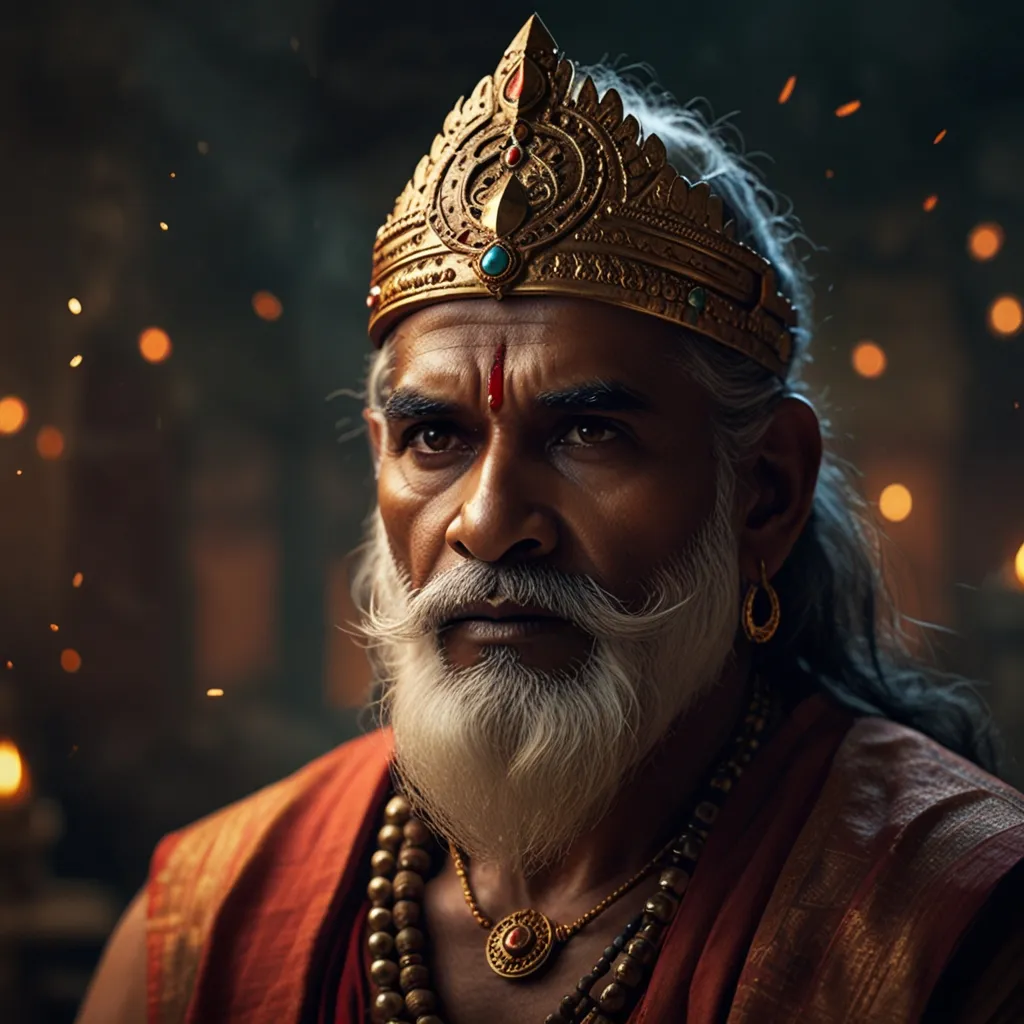
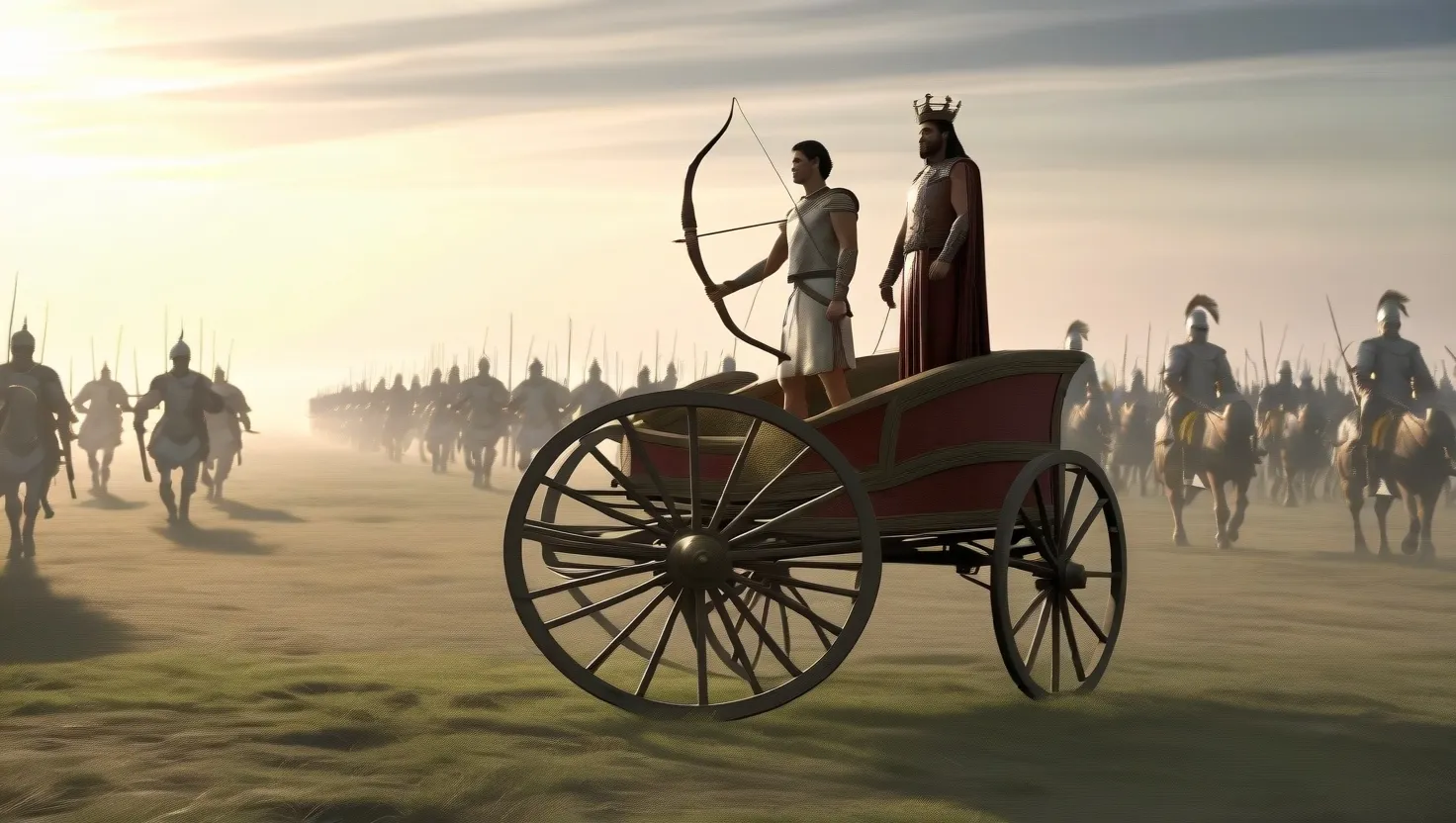
Once upon a time, in the realms of ancient India, there reigned a king named Vishwamitra. This was no ordinary king; he was known far and wide for his immense power and boundless wisdom. Hailing from a noble lineage, he was the son of Gādhi and a descendant of the great king Kuśa. Vishwamitra had a sister named Satyavatī, married to Ṛcīka, while Vishwamitra inherited and ruled the kingdom of Kānyakubja. Going by the name Kauśika, he embodied the royal legacy of his ancestors.
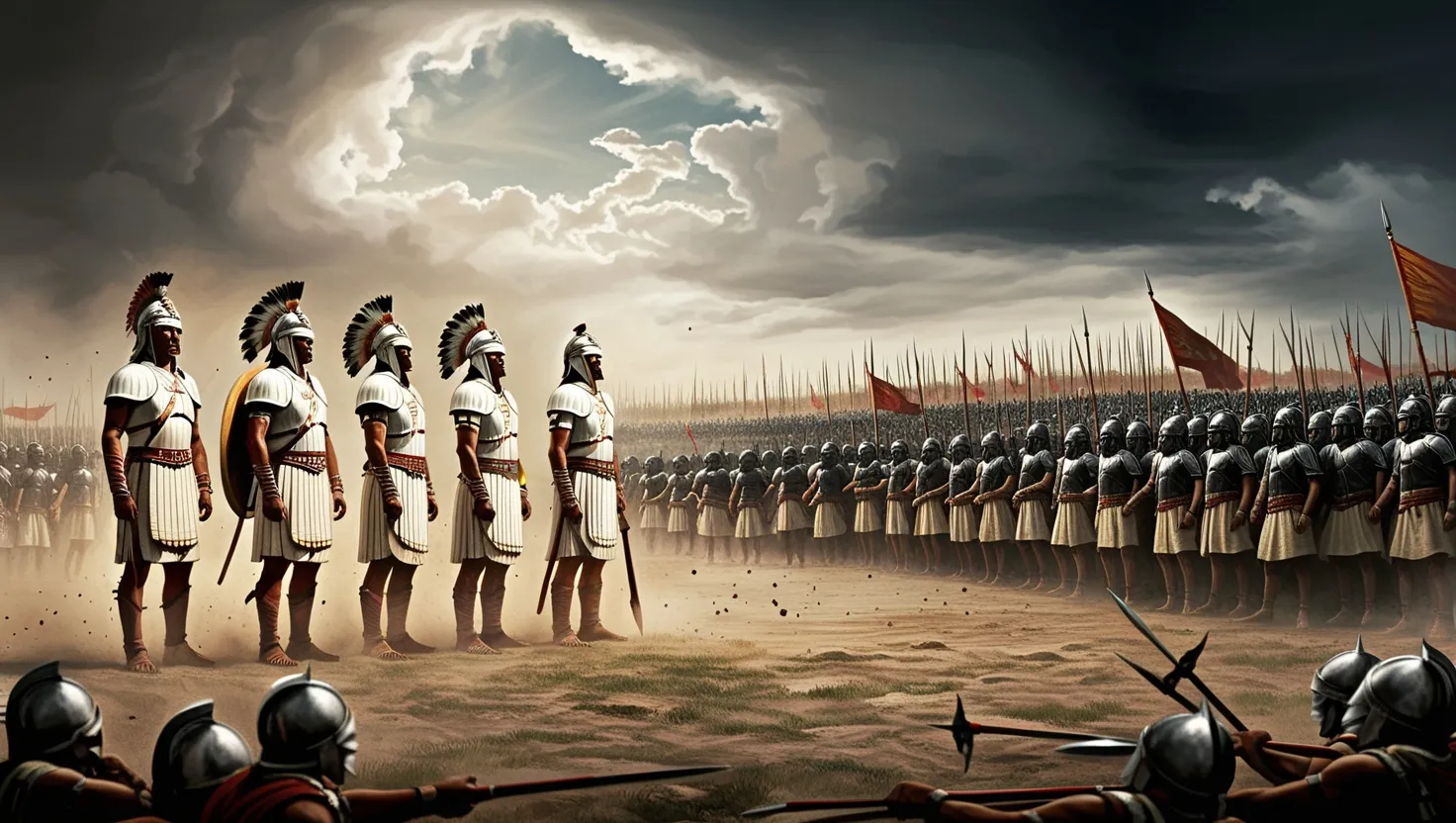
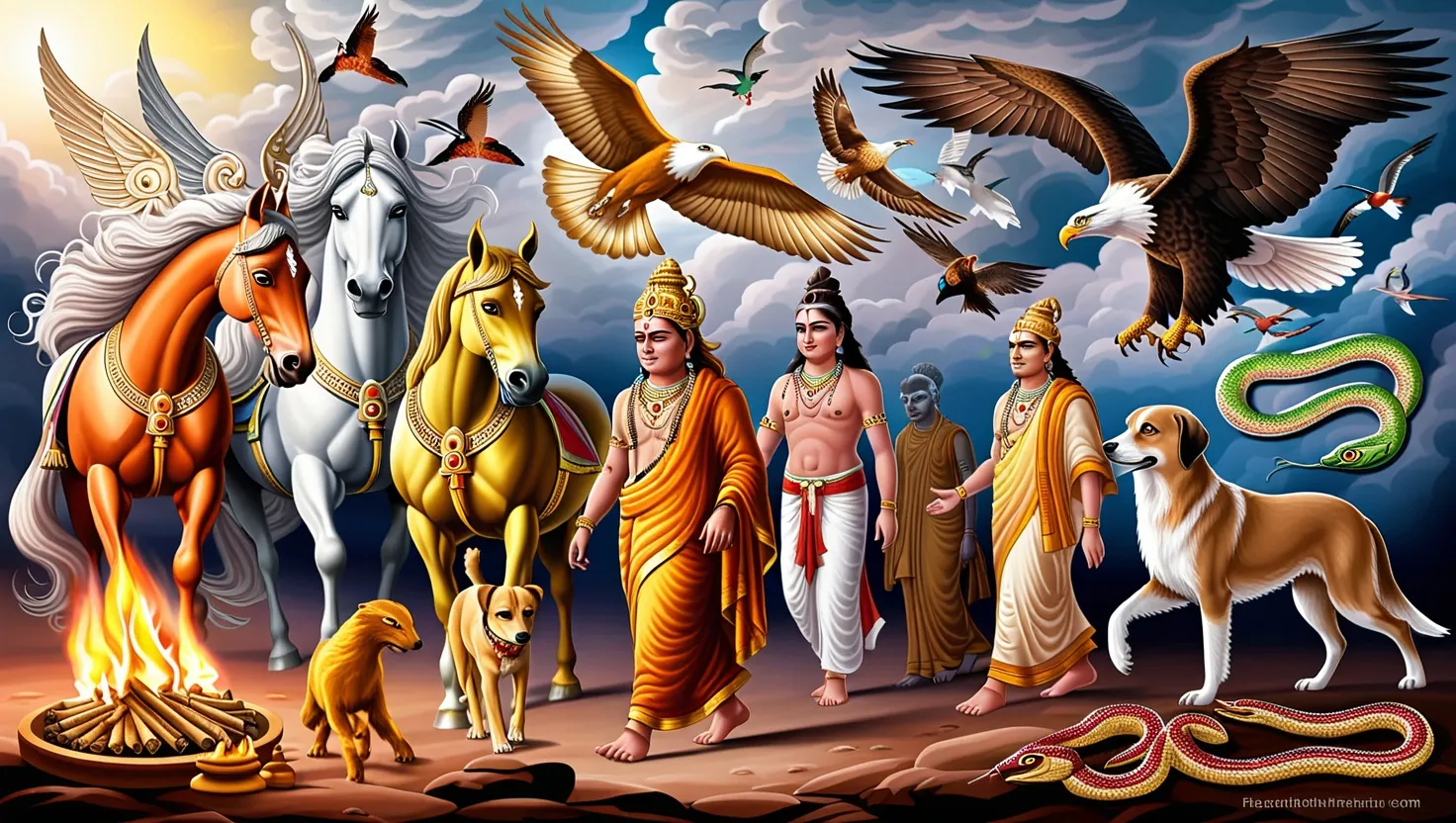
Vishwamitra’s life took an unexpected twist when he crossed paths with Vasiṣṭha, a formidable hermit. Their meeting ignited a fierce rivalry that would become a defining chapter in Vishwamitra’s life. While on a hunt, Vishwamitra spotted Nandinī, a stunningly beautiful cow residing in Vasiṣṭha’s hermitage. Enchanted by Nandinī, he wanted to claim her, but Vasiṣṭha stood firm and refused. This led to an intense battle between the two, and Vasiṣṭha emerged victorious. Crestfallen and ashamed, Vishwamitra renounced his kingdom and retreated to the forest for penance.
The path Vishwamitra chose was riddled with ordeals and temptations. In his journey, he encountered a king named Kalmashapada, who had been cursed into a flesh-eating Rakshasa by Shakti Rishi. Vishwamitra saw an opportunity for revenge and hastened the curse’s effect, transforming Kalmashapada into a Rakshasa immediately.
Despite these distractions, Vishwamitra’s resolve to attain enlightenment remained unshaken. He arrived at Pushkar Lake, where he met Menaka, an apsara sent by the gods to lead him astray. They spent several months together, and Menaka bore a daughter named Shakuntala. However, once Vishwamitra realized Menaka’s purpose was to disrupt his penance, he sent her back to the heavens and resumed his austerities.
Vishwamitra’s determination was like a rock in a storm. He migrated to the Himalayas and embarked on extreme penances. He stood on one leg amidst a blazing fire during the scorching summer, survived only on air, and immersed himself in a freezing stream during the biting winter. Alarmed by his asceticism, the gods sent another apsara, Rambha, to disturb him. However, Vishwamitra remained unfazed and, in his ire, cursed Rambha to turn into a rock for 10,000 years.
Indra, the king of the gods, wasn’t quite ready to give up. He tested Vishwamitra’s dedication by disguising himself as a poor Brahmin begging for food. Just when Vishwamitra was about to break his fast, he generously offered his food to the Brahmin and resumed his meditation. This act of selflessness and matchless control over his desires impressed Brahma, the creator god, who conferred upon him the title of Brahmarshi, signifying the “Friend of All.”
With his newfound status, Vishwamitra approached Vasiṣṭha again. Initially, Vasiṣṭha blessed him routinely, but upon recognizing the transformation in Vishwamitra, he greeted him warmly and their long-standing enmity ended. The two embraced, acknowledging each other as equals.
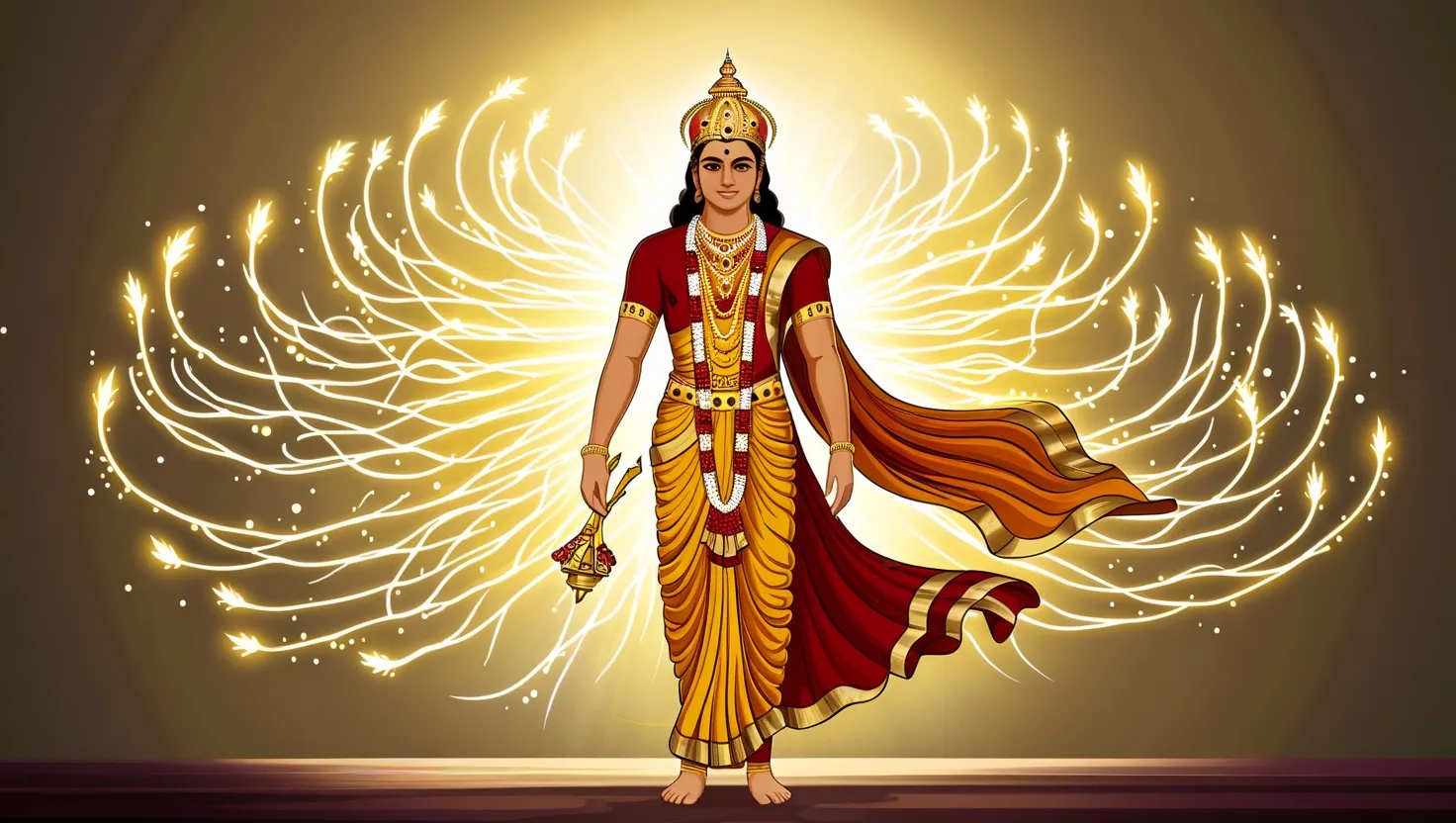
One of Vishwamitra’s most celebrated acts was aiding King Trisanku, cursed by Vasiṣṭha’s sons to turn into a Chandala. Trisanku desired to ascend to heaven in his mortal form, but no gods heeded Vishwamitra’s prayers. Frustrated and incensed, Vishwamitra utilized his profound yogic powers to send Trisanku to heaven. When Indra pushed him back, Vishwamitra created an alternate universe for Trisanku, known today as Trisanku Svarga. This act, however, drained Vishwamitra of his spiritual energy, compelling him to restart his penance to regain his Brahmarshi status.
Vishwamitra’s tale is more than just an old story; it’s a saga of sheer willpower and relentless penance. From the throne of a king to the revered status of a Brahmarshi, his journey is marked by relentless challenges, tantalizing temptations, and ultimately, overwhelming triumph. The legacy of Vishwamitra is profound, resonating through the ages as a reminder that with unyielding determination and ironclad discipline, achieving the impossible is well within our grasp.