How Ancient Wisdom from the Mahabharata Reveals Why Great Leaders Ignore Critical Advice
Discover why wise voices like Vidura, Krishna, and Draupadi were ignored in the Mahabharata, and how their unheeded warnings led to epic tragedy. Learn timeless lessons about listening and leadership.
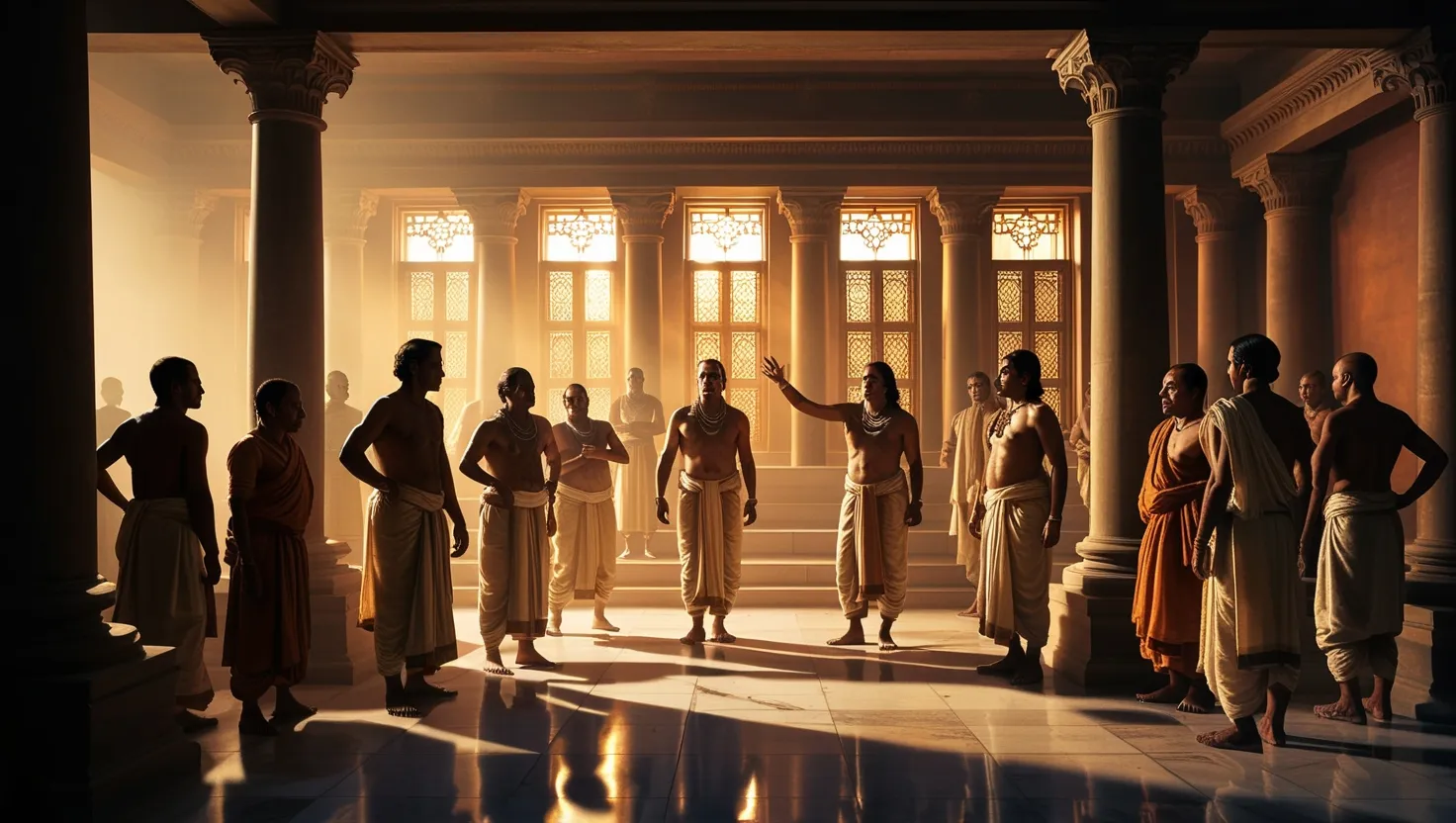
Suppose you’re sitting in a room where the air feels heavy with tension—everyone knows something is wrong, but no one wants to be the first to say it out loud. That’s the atmosphere I sense when I revisit the Mahabharata, especially its moments when clear, thoughtful voices tried to prevent disaster and were ignored. These aren’t just mythic scenes; they feel almost uncomfortably familiar. I often wonder: what’s more tragic—knowing the truth and not acting, or never seeing it at all?
In the Mahabharata, warnings weren’t subtle. In fact, some of the most powerful words were spoken by Vidura, Krishna, Sanjaya, Kunti, Draupadi, and Bhishma. Though separated by role and temperament, these figures shared one thing—the courage to speak truths no one wanted to hear.
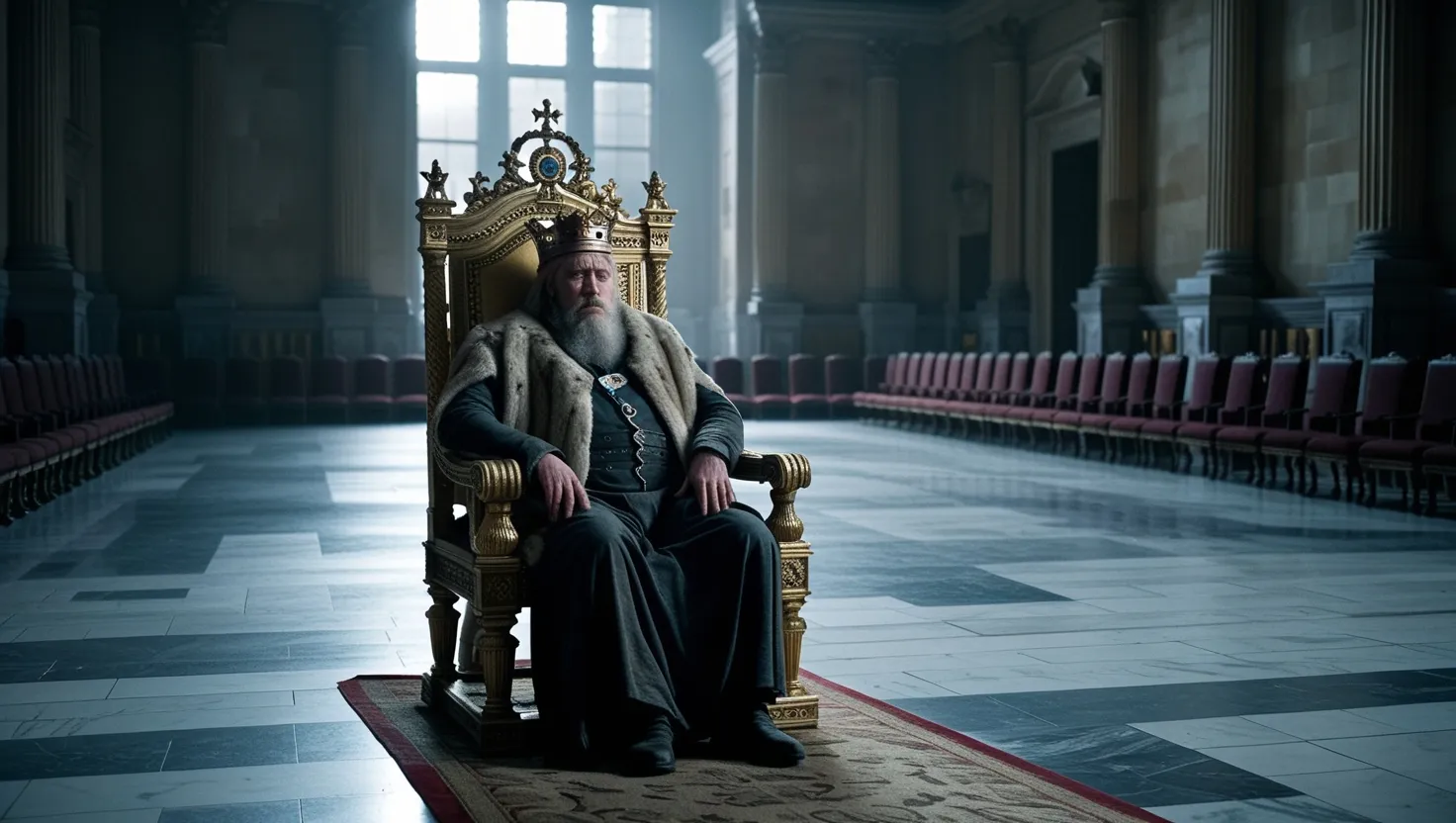
Consider Vidura. His role as minister demanded a sharp mind, but it was his moral compass that made his advice stand out. Time and again, he pleaded with Dhritarashtra to rein in Duryodhana’s ambitions. Vidura could read people like an open book; he saw the plot’s trajectory long before swords were drawn. He raised red flags about Shakuni’s manipulation, pointed out the cracks in the kingdom’s foundation, and predicted the fallout if the Pandavas were cast aside. Despite his clarity, he was consistently dismissed. Many of us have seen this happen in our lives—someone speaks up at a meeting, outlines the risks with precision, but inertia or emotion wins the day.
“Truth alone triumphs. Not falsehood. Through truth, the divine path is spread out,” the Upanishads remind us. Yet truth is often a casualty in the face of attachment, fear, or loyalty.
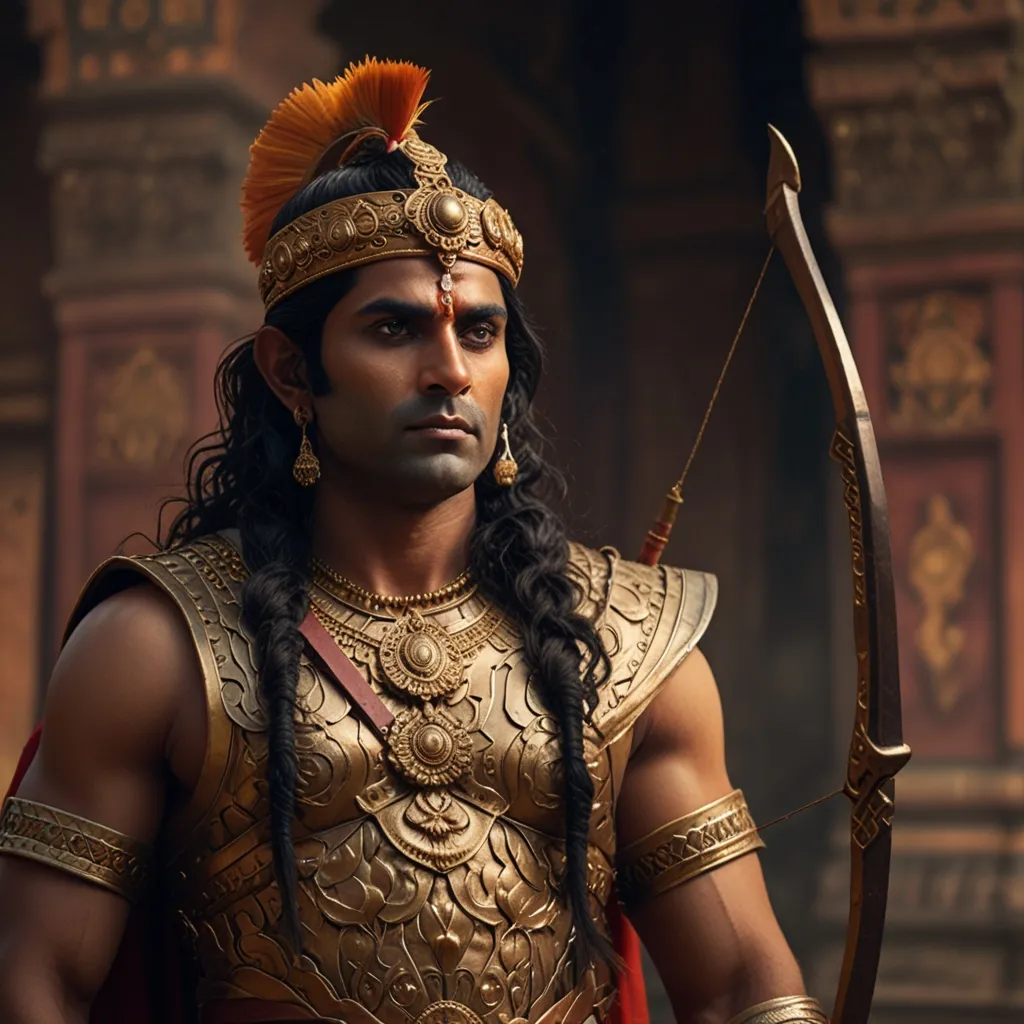
When Krishna arrived for his final peace mission, the table was set for compromise. The Pandavas didn’t ask for half the kingdom, or even a city—just five villages. What would have changed if Duryodhana had listened for even a minute? Krishna, with remarkable patience, offered the only off-ramp from catastrophe. His logic was ironclad: peace benefits all, war destroys both victor and vanquished. But pride is a blinding thing. Duryodhana’s “I will not give needlepoint of land” stance wasn’t just stubbornness; it was a refusal to see reality.
Is there a moment in history or even in your own life when a simple compromise could have averted a break? Sometimes, the smallest concessions are all that’s needed to change the course of events.
Sanjaya was another watcher, forced to narrate a war to a blind king who could not see but might still have acted. His role goes beyond messenger—he tried to make Dhritarashtra feel the impact of every lost life, every mistake. The way he described the battlefield wasn’t only fact-reporting; it was a subtle, relentless appeal to conscience. Yet the king’s responses reveal something that echoes through all tragedy: the difference between hearing and actually listening. It wasn’t ignorance that undid Dhritarashtra, but an unwillingness to step outside his own pain and see the pain of others.
“There is a wisdom of the head, and a wisdom of the heart,” Charles Dickens wrote. Dhritarashtra had the first, but the second eluded him.
Now, Kunti’s appeal to Karna is a study in difficult choices. Imagine learning the truth of your birth—the mother you longed for, the brothers who might have stood by you—on the eve of war. Kunti did not argue law or strategy; her words were raw and maternal, promising Karna both honor and kinship. But Karna, held fast by an old debt to Duryodhana, refused to shift allegiance. Was it pride, gratitude, or the warrior’s code? Or was it simply the impossibility of undoing years of exclusion? Karna’s predicament speaks to anyone who has felt torn between past loyalties and unexpected revelations. What would you do if your entire identity turned out to be a half-truth?
“Family isn’t always blood. It’s the people in your life who want you in theirs,” said Maya Angelou. But what if you discover your blood family only when it’s too late to change sides?
Draupadi’s question in the dice hall remains one of the most astonishing moments in literature. “Did Yudhishthira lose himself before staking me?” This wasn’t just a technicality—it was a plea to restore justice, a daring intervention by someone refusing to be an object. But her question was met with silence, most heartbreakingly from the elders. Bhishma and Drona, men revered for their wisdom, looked away. This silence is perhaps the loudest sound in the Mahabharata. It takes courage to raise your voice; it takes even more to listen and respond when your voice could cost you comfort or status.
“Justice will not be served until those who are unaffected are as outraged as those who are,” Benjamin Franklin once said. In Draupadi’s case, the outrage was hers alone in a hall full of mute witnesses.
Bhishma, the grandsire, becomes a symbol of what happens when inner conflict paralyzes action. He knew right from wrong, and his respect commanded the room. Yet he let protocol, loyalty, and past vows bind him—choosing silence over intervention during Draupadi’s humiliation. His wisdom, so admired, was of no consequence when most needed. Haven’t we all witnessed situations when someone with the authority to act chooses not to disturb the peace, leaving the weak unprotected?
As I reflect on these ignored voices, I’m struck by a pattern running through the epic. Wisdom was never in short supply—courage to act on it was. The tension between knowing and doing permeates not only the Mahabharata but our own daily decisions. How often do you, or I, suppress the urge to speak up, to do what’s just, out of fear of reprisal or the comfort of inaction?
Another layer that’s easy to miss is the sheer variety in the forms of wisdom presented. Vidura’s counsel was pragmatic and grounded in statecraft; Krishna’s was expansive, philosophical, and rooted in compassion; Sanjaya’s conveyed brutal honesty; Kunti’s, the wisdom of love and loss; Draupadi’s, the clarity of direct questioning; Bhishma’s, the agonizing restraint of someone who knows but cannot act. The Mahabharata doesn’t give us a single “right” way to be wise—it offers a spectrum that mirrors the complexity of real life.
Why, then, did their warnings go unheeded? One explanation lies in the psychological traps that ensnare us all: the blinding effect of pride, the weight of loyalty, the paralysis by analysis, and the subtle force of collective inertia. Duryodhana couldn’t see past his own grievance; Dhritarashtra was torn between fatherhood and duty; Karna felt chained by gratitude. Even the wise can be rendered powerless if those in charge are unwilling to listen.
“Most people do not listen with the intent to understand; they listen with the intent to reply,” said Stephen Covey. The Mahabharata’s tragedy is amplified by this very human failing.
It’s fascinating to see how these lessons translate beyond ancient battlefields. Many leaders today surround themselves with smart advisors, yet ignore uncomfortable truths until disaster is at the door. In families, workplaces, or even nations, the same pattern repeats. History doesn’t lack for warnings; it lacks for those willing to listen and adapt.
Here’s a question: Are we any better at listening than the characters in the Mahabharata? Take a moment to remember the last time you dismissed advice—not because you thought it was wrong, but because it didn’t fit your narrative or made you uncomfortable. How might things have played out differently if you had paid attention?
The silence that greeted Draupadi and the resolute refusal that Krishna encountered remind us that even the best advice, if not acted upon, is powerless. It’s easy, in hindsight, to fault the characters for not listening. But how often do we do the same? The Mahabharata forces us to sit with this discomfort, to realize that the tragic outcomes on the battlefield began with smaller tragedies—decisions not made, voices not heard, truths ignored.
I think about how each of these characters must have felt. Vidura, probably disappointed yet unsurprised when his warnings fell on deaf ears. Krishna, undiminished in compassion, still willing to fight for peace. Draupadi, both isolated and empowered by her willingness to speak up. Kunti, carrying the pain of knowing her plea would go unanswered. Bhishma, eternally conflicted. Their stories linger because they reflect not only what happened in a distant age, but what unfolds every day in lives everywhere.
“Those who cannot remember the past are condemned to repeat it,” wrote George Santayana. The Mahabharata’s relevance endures because ignoring wisdom is not the failure of a single age or culture; it’s a perennial human risk.
As I close this reflection, I invite you to consider: whose voice are you not hearing right now? What gentle warning or uncomfortable truth keeps returning, but you brush aside? The Mahabharata’s enduring power is that it doesn’t just recount what went wrong for someone else—it asks us, always, what we might do better. And in that question lies the true worth of the voices that were once ignored.