What Ancient Architectural Secrets Can Transform Your Modern Home?
Ancient Harmony: Vastu Shastra's Timeless Influence on Modern Spaces and Well-being
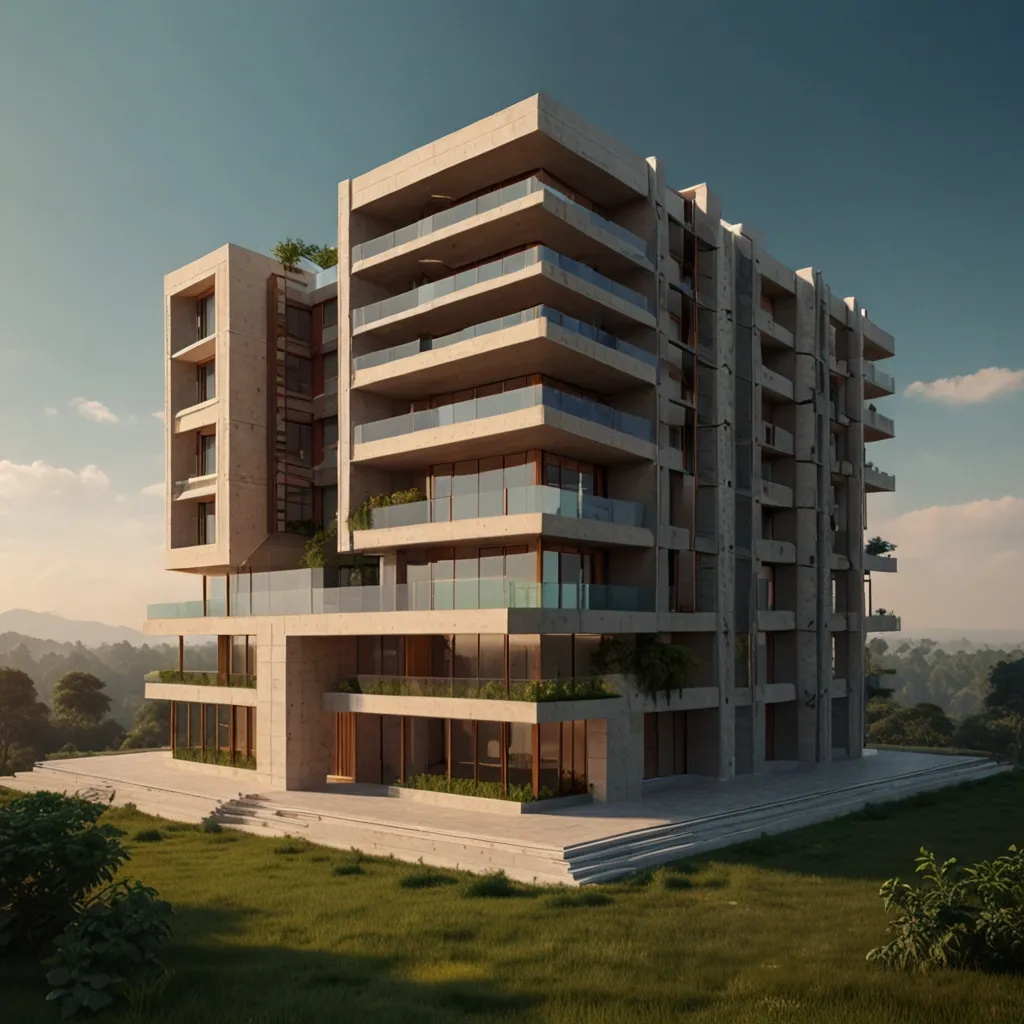
Vastu Shastra, an ancient Indian architectural science, has shaped building designs with its unique blend of art, science, astronomy, astrology, and mysticism for thousands of years. The word “Vastu” comes from the Sanskrit “Vas,” which means dwelling or habitat, and “Shastra,” meaning a systematic body of knowledge.
Historical Roots
The roots of Vastu Shastra stretch back to around 3000 BC, with its earliest references found in the Rig Veda, one of the oldest Hindu scriptures. Ancient cities like Indraprastha and Dwarka, mentioned in the legendary epics Ramayana and Mahabharata, were designed based on its principles. Over time, Vastu Shastra evolved, producing many texts that guided construction practices.
Core Principles
At the heart of Vastu Shastra are the five elements of nature: earth, water, fire, air, and space. These elements are believed to influence the energy or “prana” within a building, and Vastu Shastra offers guidelines on optimizing space designs to enhance positive energy flow. For example, buildings ideally face east to harness the rising sun’s positive energy.
Site Planning and Design
In Vastu Shastra, site planning revolves around the mandala concept, dividing a space into squares linked to different deities. This technique ensures the alignment of a building with divine energy. Modern site planning also considers environmental factors and artificial elements but still aims for harmonious and balanced designs.
Building Dimensions and Proportions
The dimensions in Vastu Shastra are based on intricate proportioning systems, involving complex equations ensuring harmony with the surroundings. Though modern architecture often follows local regulations and needs, the principle of achieving balance remains constant.
Aesthetic and Functional Design
A building’s aesthetic in Vastu Shastra adheres to the concept of “Chanda,” making structures identifiable by their functions. Modern architecture emphasizes personal style, but the goal of achieving beauty and functionality persists. Vastu Shastra’s zoning is based on the placement of deities within the Vastu Purusha Mandala, while modern zoning focuses on occupant needs and safety.
Health and Well-being
Vastu Shastra aims to design buildings that positively impact the health and well-being of occupants. Aligning buildings with natural elements and directions is thought to promote physical and mental health, enhance social relationships, and foster occupational success and personal growth. This holistic approach creates a balanced and orderly environment.
Modern Applications
Despite its age, Vastu Shastra remains relevant today. Many architects blend its principles with modern designs to create sustainable, eco-friendly structures. Traditional concepts like natural light and ventilation from Vastu Shastra are crucial in modern green building practices.
Practical Applications
Implementing Vastu Shastra in practical design involves strategic placement of rooms, entrances, and colors to enhance energy flow. For instance, mirrors should be positioned carefully to avoid reflecting negative energy. These principles can improve both residential and commercial spaces.
Case Studies and Research
Research and case studies support Vastu Shastra’s positive impact on modern architecture. Surveys reveal that many people apply Vastu principles in their homes and offices. Case studies from cities like Chandigarh and Jaipur show that buildings designed according to Vastu principles better harmonize with their surroundings and promote the well-being of their occupants.
Challenges and Future Scope
Integrating Vastu Shastra into modern architecture presents challenges, such as standardization and the need for scientific validation of its principles. Ongoing research aims to address these issues by investigating the health impacts of Vastu Shastra and its potential role in preventive medicine and public health.
Conclusion
In conclusion, Vastu Shastra is more than an ancient architectural practice; it is a comprehensive approach to building design that aligns human habitats with natural forces for health, well-being, and sustainability. As the world shifts towards more environmentally conscious living, the relevance of Vastu Shastra becomes increasingly clear. Its principles can help architects and builders create aesthetically pleasing and health-promoting spaces, making it a valuable tool in the modern era.