The Ancient Vedic Ritual That Demanded a Second, Deliberate Birth Into Wisdom
Discover the ancient Hindu rite of Upanayana — the sacred second birth. Explore its deep meaning, rituals, and timeless lessons on knowledge, humility, and conscious living. Read more.
There is a strange idea hidden in the Vedic tradition that most people walk past without noticing. It says that being born once is not enough. Not in a mystical, metaphorical way that you can brush off. It means it quite literally. The body comes out of the mother. That is birth number one. But the mind, the spirit, the conscious human being capable of real wisdom? That has to be born separately, on purpose, through a ritual. And that second birth has a name: Upanayana.
Think about that for a moment. The ancient sages looked at a newborn baby and essentially said, “That is just the beginning.” The real work, the real arrival into human life, happens years later, when someone chooses to wake up.
The word Upanayana comes from two Sanskrit roots. “Upa” means near, and “nayana” means leading. So the whole ceremony is about being led near something. Near a teacher. Near a sacred fire. Near the accumulated wisdom of centuries. And quietly, almost without being told, near your own deeper self. It is one of the sixteen samskaras, or life-marking rites, described in Vedic texts. But unlike many of the others, this one does not happen to you passively. It requires you to show up and say yes.
The ceremony traditionally happens between the ages of seven and twelve, depending on the student’s lineage and inclination. The young person is called a brahmacharin after this point, meaning someone who walks in the way of Brahman, the universal principle. It is not a title of achievement. It is a title of orientation. The child is now pointed in a direction.
“A man is not born for the enjoyment of pleasure. He is born for the attainment of the highest knowledge.” — Swami Vivekananda
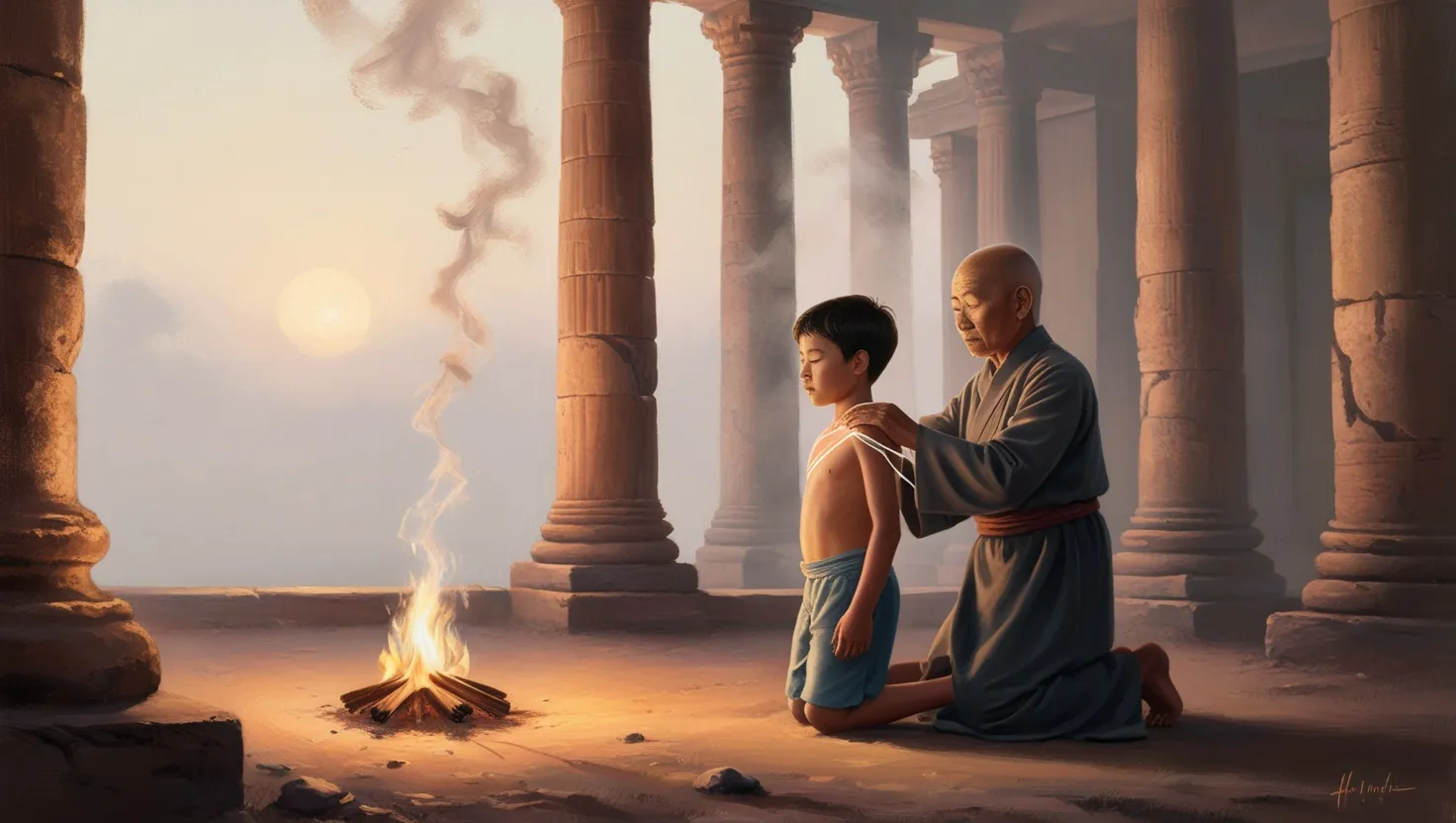
The most visible element of Upanayana is the sacred thread, called the yajnopavita. It is worn across the left shoulder and under the right arm, sitting close to the skin. Three strands are twisted together, and a knot called the Brahmagranthi sits at the center. Ask any person who wears this thread casually what it means, and many will say it is tradition, culture, or identity. But the original meaning is far more specific.
Each strand represents a debt. One to the sages who preserved knowledge. One to the ancestors who made your existence possible. One to the divine forces that sustain the universe. The knot is a binding. Not a restriction, but a commitment. You are tied to something larger than your own preferences. You agree, by wearing it, to take these debts seriously.
Have you ever thought about what debts you carry simply by being alive? The food you eat, the language you speak, the ideas in your head — all of it came from somewhere. Upanayana says: acknowledge that. Do not walk through life as if you invented yourself.
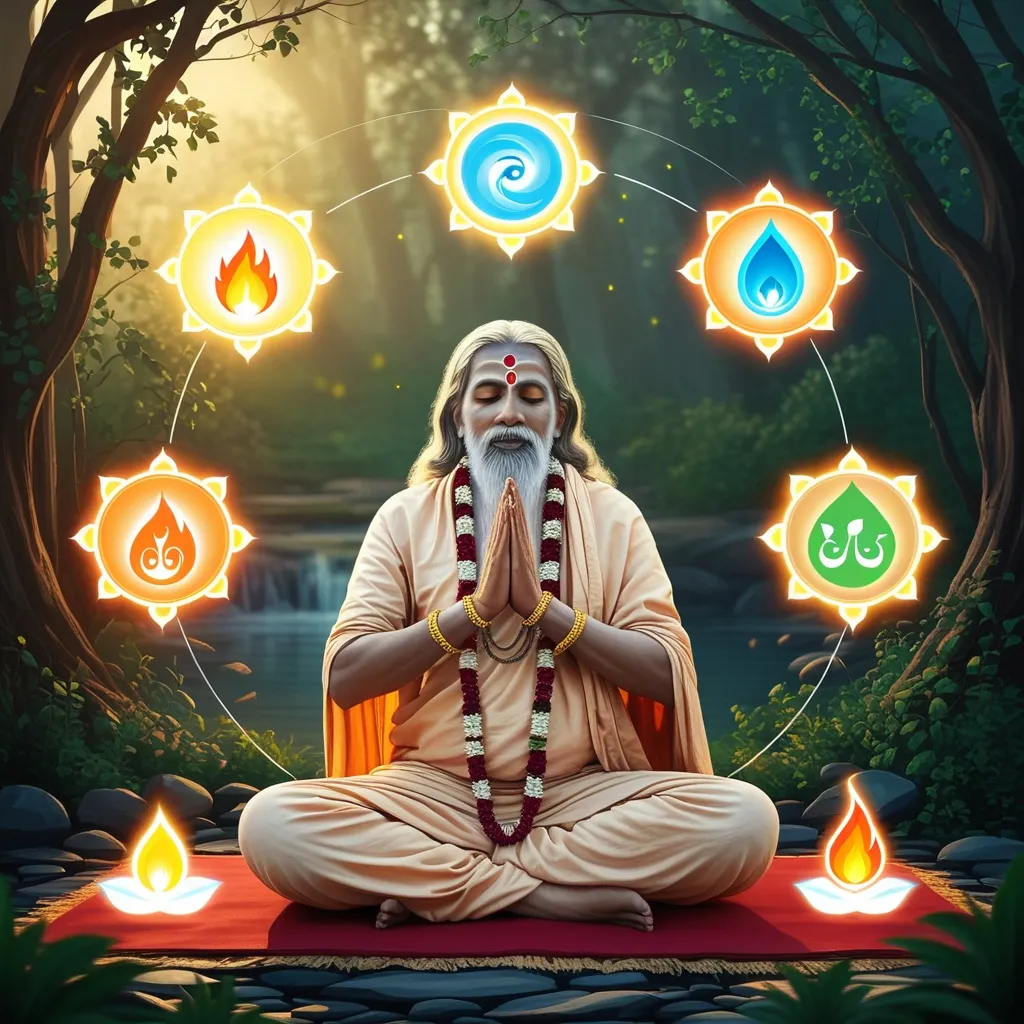
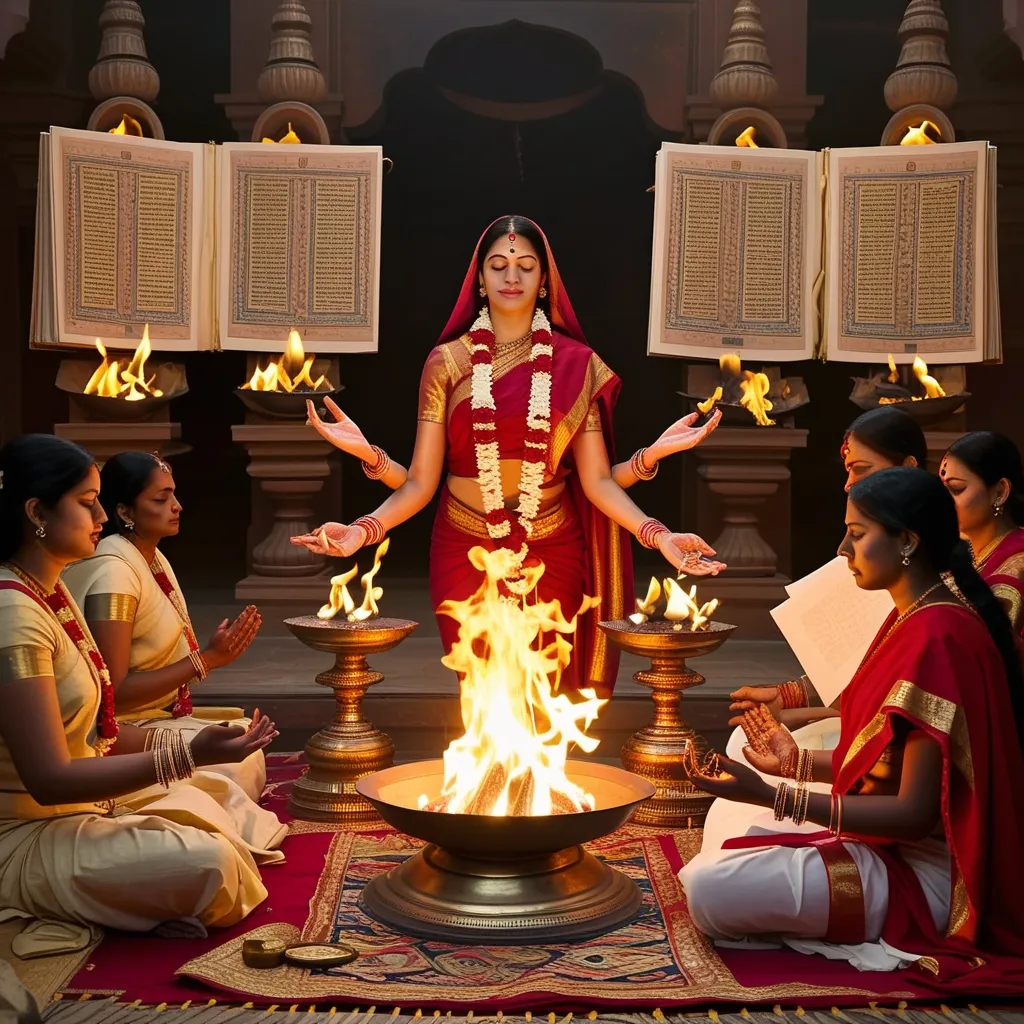
Fire shows up right at the center of the ceremony, which should not surprise anyone familiar with Vedic ritual. But the fire here is not decorative. The student must kindle it and maintain it throughout the entire period of study, which could last twelve years or more in the traditional gurukul system. Every morning before dawn, the student feeds this fire.
The physical act mirrors something internal. The fire represents tapas, which translates roughly as the heat generated by disciplined effort. Just as a fire dies without fuel, knowledge dies without sustained attention. Maintaining the flame is a daily reminder that nothing worth knowing stays alive on its own. You have to keep feeding it.
“Tell me and I forget. Teach me and I remember. Involve me and I learn.” — Benjamin Franklin
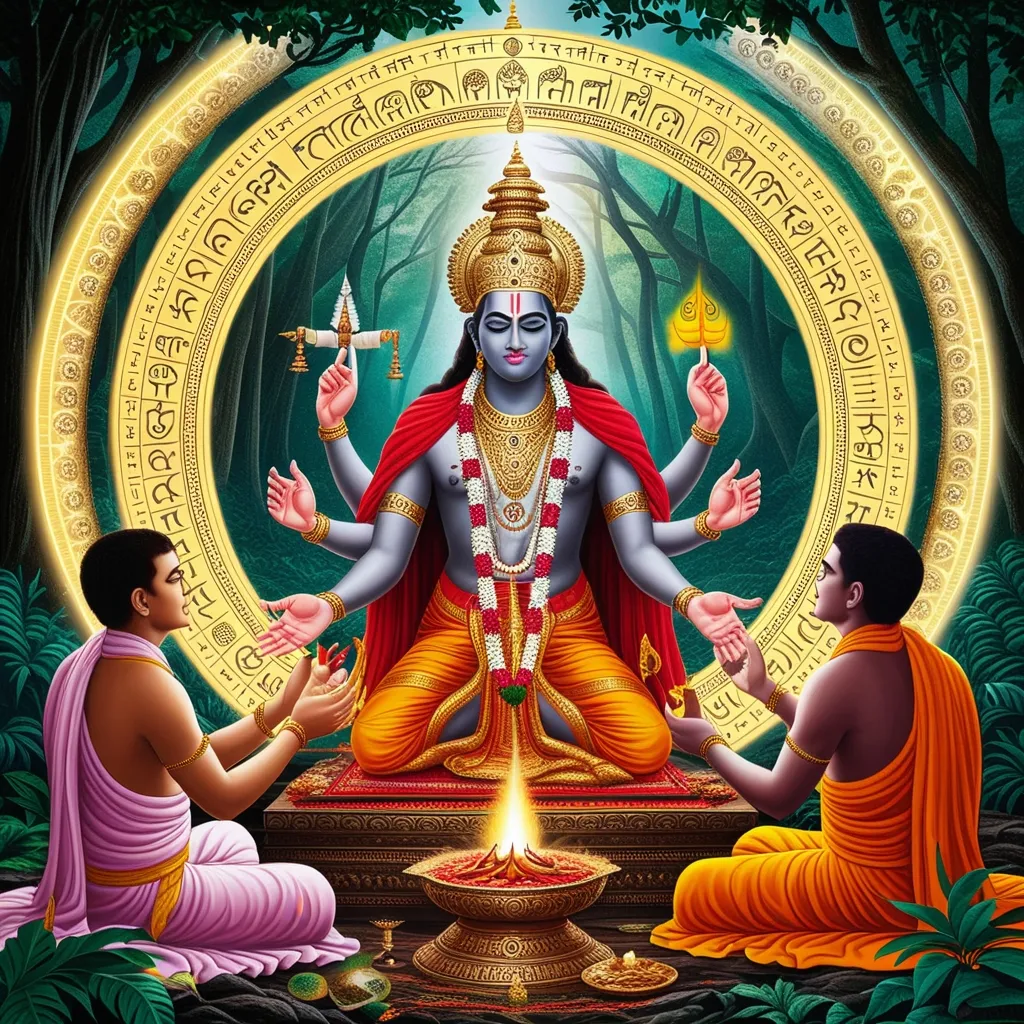
The most intimate moment in the entire ceremony is when the guru whispers the Gayatri Mantra into the student’s ear. Not speaks. Whispers. This detail matters enormously. The mantra is not broadcast. It is transmitted person to person, breath to breath, in proximity. The Gayatri is addressed to the solar deity Savitri, who illuminates the mind. It asks for the awakening of intelligence.
The student receives these syllables not as text on a page but as sound that has been passed down through an unbroken chain of human mouths for at least three thousand years. That is the connection being made. You are not just learning a prayer. You are joining a lineage. Every morning after that, the brahmacharin recites this mantra during meditation and fire offering. It becomes a companion for life.
What would it feel like to have a single phrase that anchored your entire inner life from childhood onward? Most people never find that.
Here is the part that surprises people most: the newly initiated student has to beg for food. On the very day of Upanayana, the young brahmacharin goes from house to house with a begging bowl, accepting whatever is offered without complaint or preference. This practice continues throughout the period of study.
The purpose is not poverty. The gurukul system was supported by this community giving. But the psychological training embedded in this act is remarkable. Pride is one of the first things that closes the mind to learning. When you beg, you cannot pretend to be above anyone. You receive from people of every kind. The practice teaches that wisdom comes through humility and that education is not a personal achievement but something the whole community invests in together.
“The empty vessel makes the most noise.” — William Shakespeare
There is a cosmological angle to Upanayana that rarely gets discussed. The texts say the student is ritually reborn as a son of the sage Savitri during the ceremony. The biological parents step back symbolically. The guru becomes the father. The Vedic tradition itself becomes the mother. This is not meant to diminish the biological family. It is a statement about where the student’s primary formation now comes from.
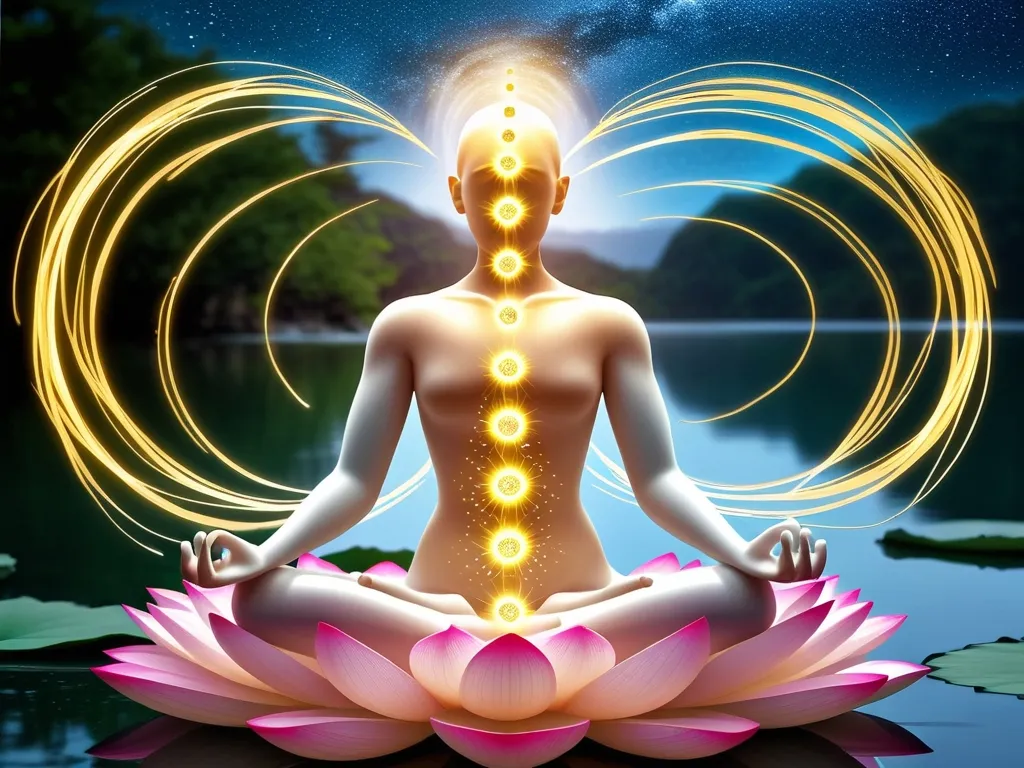
The tradition also speaks of the investiture of the thread as activating something in the subtle body, the inner channels through which perception flows. The third faculty of discernment, what some texts call the eye of wisdom, is said to begin opening. The student is no longer purely reactive, pulled around by hunger, fear, and desire. A different way of seeing is being invited to develop.
You can read this spiritually or psychologically. Either way, the claim is the same: something real changes in a person when they formally commit to a life of conscious learning.
The daily routine of a brahmacharin would exhaust most modern adults. Rise before dawn. Bathe in cold water. Perform the morning fire offering. Recite texts. Serve the teacher. Study. Perform the midday and evening rituals. Eat simply. Sleep early. Repeat. No entertainment. No distraction. Complete celibacy. This went on for years.
The body and the senses were not being punished in this system. They were being redirected. Energy that normally scatters outward, through distraction, craving, and impulse, was being concentrated. The ancient understanding was that the human nervous system has a kind of bandwidth. If most of it goes toward sensory gratification, very little remains for deep understanding. The brahmacharya period was essentially a reallocation of that bandwidth.
Now ask yourself honestly: in the modern world, when does anyone formally enter adulthood? There is no single moment, no one to hand you something and say, “Now you are responsible for what you know and how you live.” Birthdays are celebrated with cakes. Graduations are celebrated with parties. But neither of these is truly an initiation. Neither involves a vow, a teacher, a fire, or a commitment to something beyond yourself.
The Vedic model suggests that drifting into maturity produces people who are uncertain about their identity, their purpose, and their obligations. And looking around, that description does not feel entirely inaccurate.
“Without self-knowledge, without understanding the working and functions of his machine, man cannot be free, he cannot govern himself and he will always remain a slave.” — G.I. Gurdjieff
You do not need to adopt the exact ritual to take something real from this tradition. The underlying principle is one that any person can apply: choose a deliberate moment of commitment. Mark the beginning of a serious period of learning. Find a teacher or a body of knowledge that demands something from you. Create a symbol or a practice that reminds you daily of what you are working toward. Accept that genuine understanding requires sacrifice, humility, and time.
These are not religious prescriptions. They are observations about how the human mind actually develops, encoded in ceremonial form by people who had thousands of years to think about it.
The sacred thread worn across the heart is, at its deepest level, a piece of string that says: I owe something to those who came before me, and I am going to do something worth passing on. That is a statement worth making at any age, in any culture, in any century.
The second birth is always available. The fire is always ready to be kindled. The only requirement is the willingness to show up and begin.