Is There a Demon Behind Your Fever? Discover the Myth of Jvarasura!
A Drop of Divine Sweat, Feverish Monsters, and Shiva's Boundless Power
In Hindu mythology, stories are like threads that weave together the divine and the everyday, creating a tapestry of tales that are both engaging and enlightening. One such story revolves around Jvarasura, the demon of fever, and his intriguing link to Shiva, one of Hinduism’s most powerful gods.
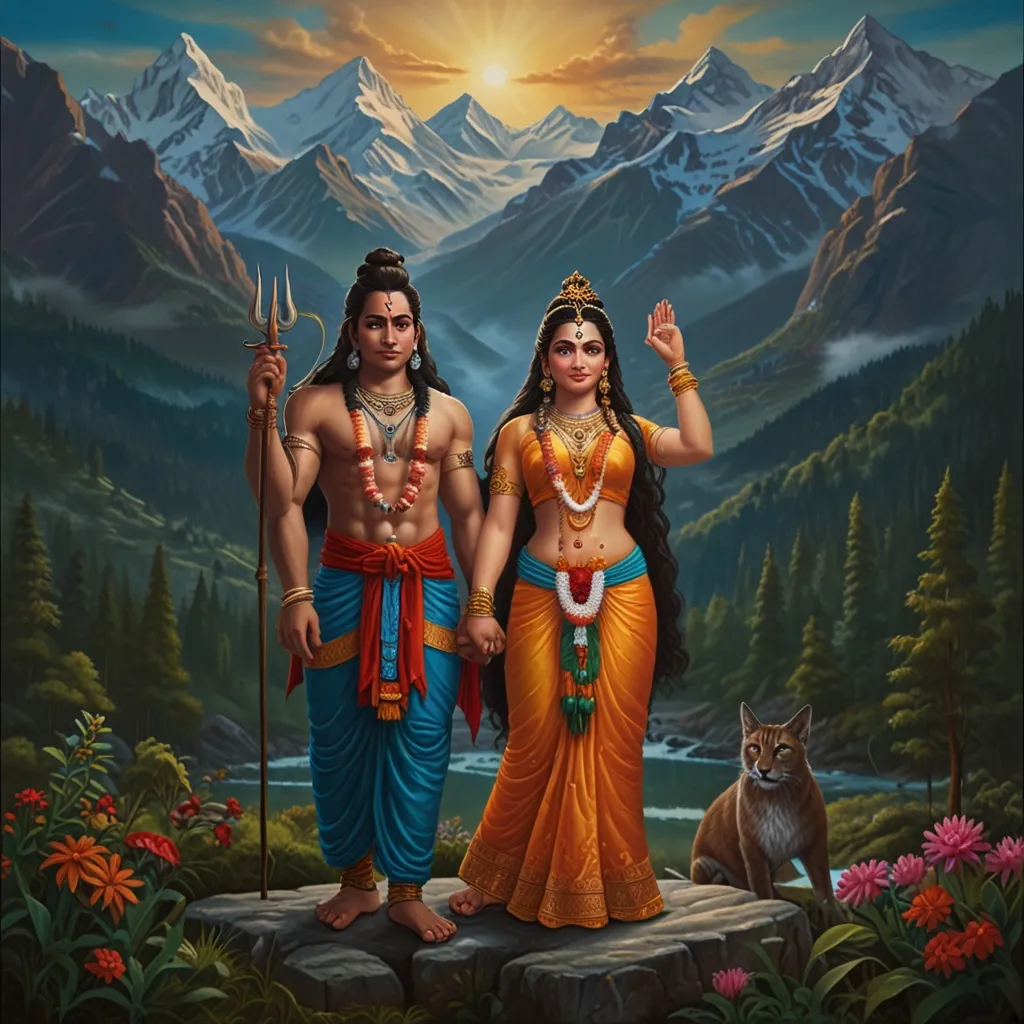
The tale kicks off with Daksha, a powerful figure and the father of Sati, who was married to Shiva. Daksha was into throwing huge religious ceremonies called yajnas. But during one of these big events, Daksha made a massive mistake by not inviting Shiva. This wasn’t just a little oversight—Daksha was seriously disrespecting Shiva, whom he thought wasn’t good enough for his daughter.
Sati found out about her dad’s ceremony and was heartbroken to realize she and her husband hadn’t been invited. Her sorrow was immense, and Shiva, who couldn’t stand to see his wife in pain, became restless. This intense emotion dripped from Shiva’s third eye as a drop of sweat, which is symbolic of his divine power.
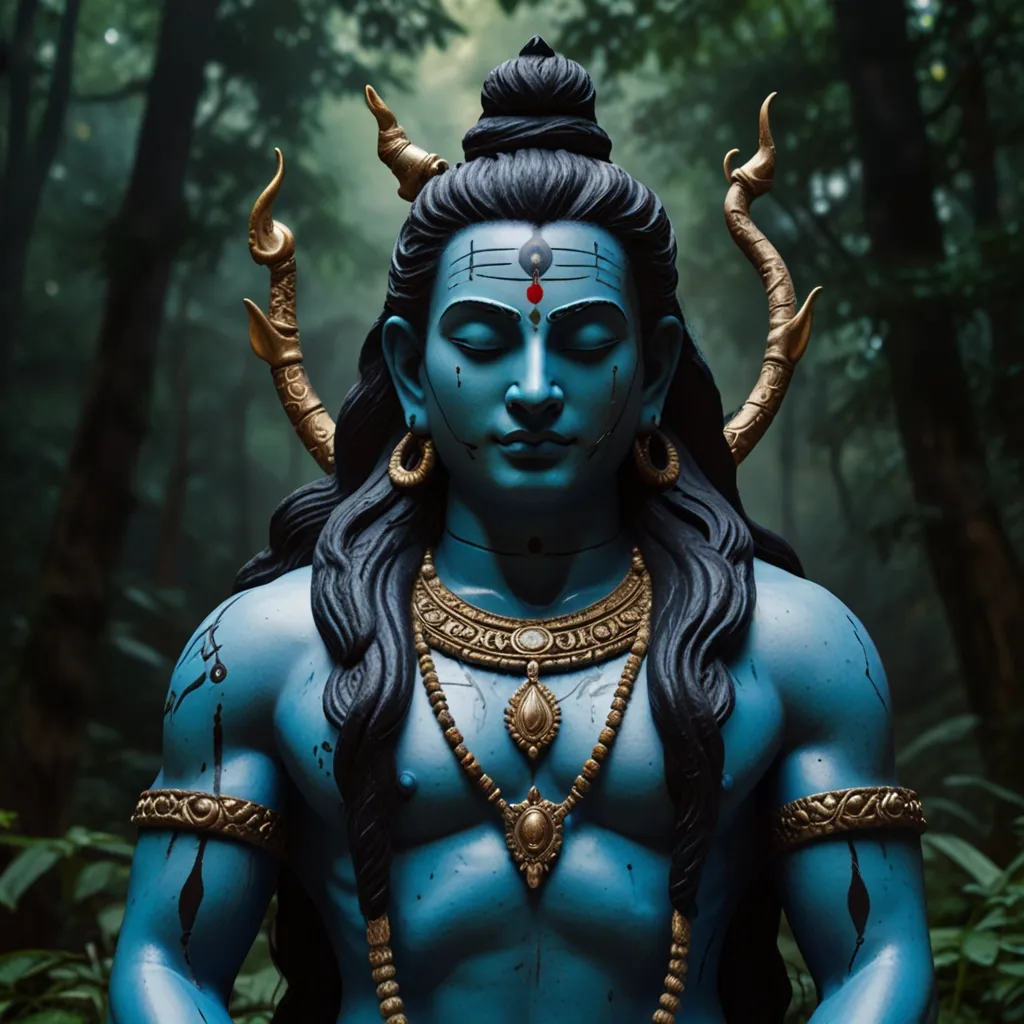
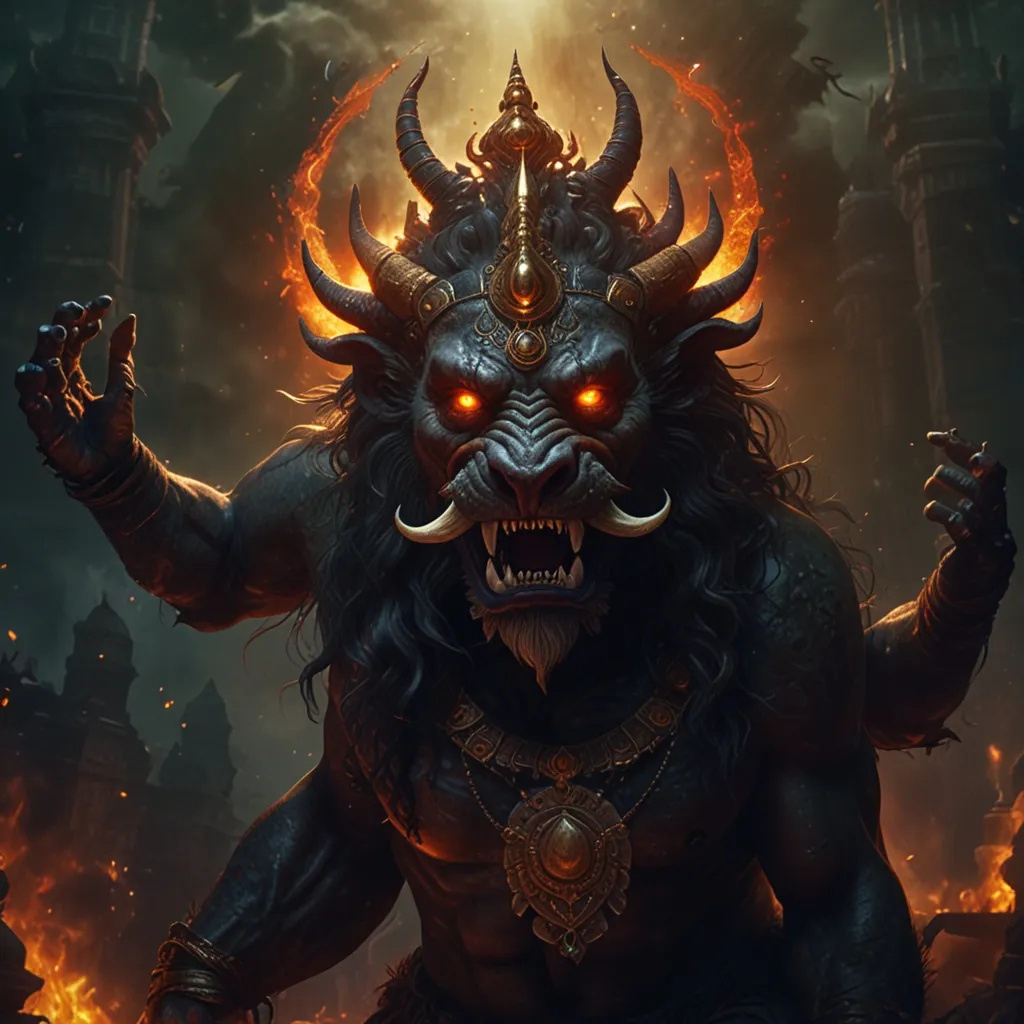
Instead of hitting the ground, this drop of sweat morphed into a terrifying monster. Jvarasura, as he was named, was as deadly as Yama, the god of death, and as fearsome as a stormy sky. This creature had a powerful build, a horrifying face, and eyes that seemed to penetrate the darkness itself.
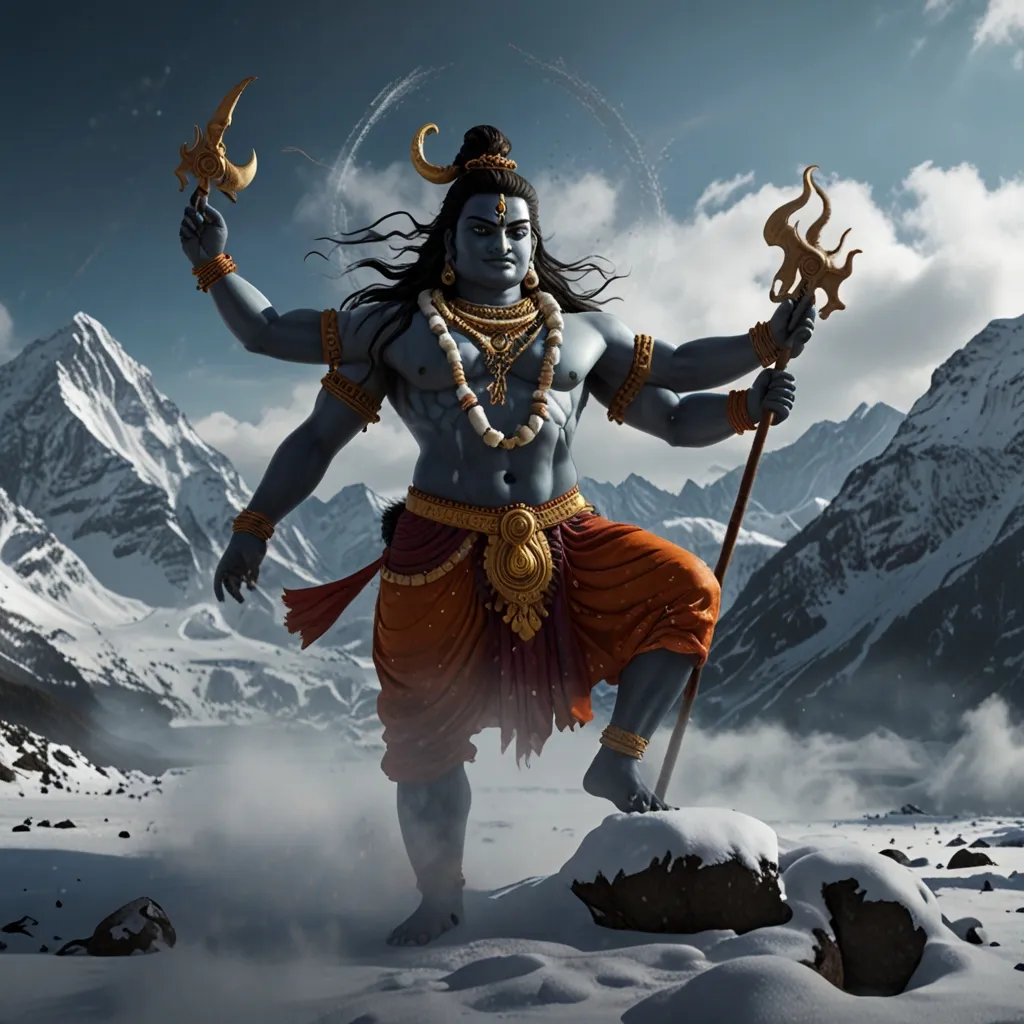
As soon as he was created, Jvarasura wreaked havoc among the gathered gods, giving them a terrible fever. The gods, unable to bear the fever’s intensity, sought Shiva’s help. With his boundless power, Shiva absorbed the fever but saw that Jvarasura’s energy was too intense for any single entity to handle. So, he chose to divide Jvarasura into several parts.
By splitting Jvarasura, Shiva ensured that no one entity would suffer from his feverish power alone. This act lifted the gods’ suffering and showed Shiva’s supremacy and the respect he commanded from all beings.
The story of Jvarasura goes on. Some texts say that when Jvarasura spread disease across the earth, Shitala—a goddess known for curing diseases—intervened. Shitala, meaning “the one who cools,” became a key figure as a healer of fever and disease. In some versions of the story, Jvarasura ends up as Shitala’s servant, while in others, they are seen as companions.
In another twist, Jvarasura’s encounter with the god Vishnu is quite notable. When Vishnu took the form of Hayagriva and was struck down by Jvarasura’s fever, he used his Sudarshana Chakra to slice the demon into three pieces. Later, Brahma reassembled these pieces, giving Jvarasura three faces and three feet, enabling him to move in all directions simultaneously.
Jvarasura holds a special place in Bengali culture, often depicted as a young servant. Shitala, seen as his consort, is widely worshipped in villages across North India as a protector against fever and pox. The name Jvarasura itself combines “Jvara” (fever) and “Asura” (demon), clearly underlining his role as the personification of fever.
In Buddhist tradition, Jvarasura is sometimes portrayed as the consort of Paranasabari, the goddess of diseases. In various artworks, these deities are often shown fleeing from Vajrayogini, the Buddhist goddess known for destroying diseases.
The story of Jvarasura is a remarkable window into the balance between divine power and human suffering. It stresses the importance of respect towards gods and highlights the interconnectedness of beings in the cosmos. Through this tale, even the most dreadful creations can be controlled and used for greater good, showcasing Shiva’s wisdom and omnipotence.
The legend of Jvarasura is a rich blend of myths and symbols, offering deep insights into Hindu beliefs. It stands as a testament to how mythological stories can captivate and educate, providing a glimpse into India’s vibrant cultural heritage.