How the Puranas Transformed India's Geography Into a Living Sacred Map
Explore how the Puranas transformed India's rivers, mountains, and forests into a living sacred map. Discover the spiritual meaning hidden in the land around you.
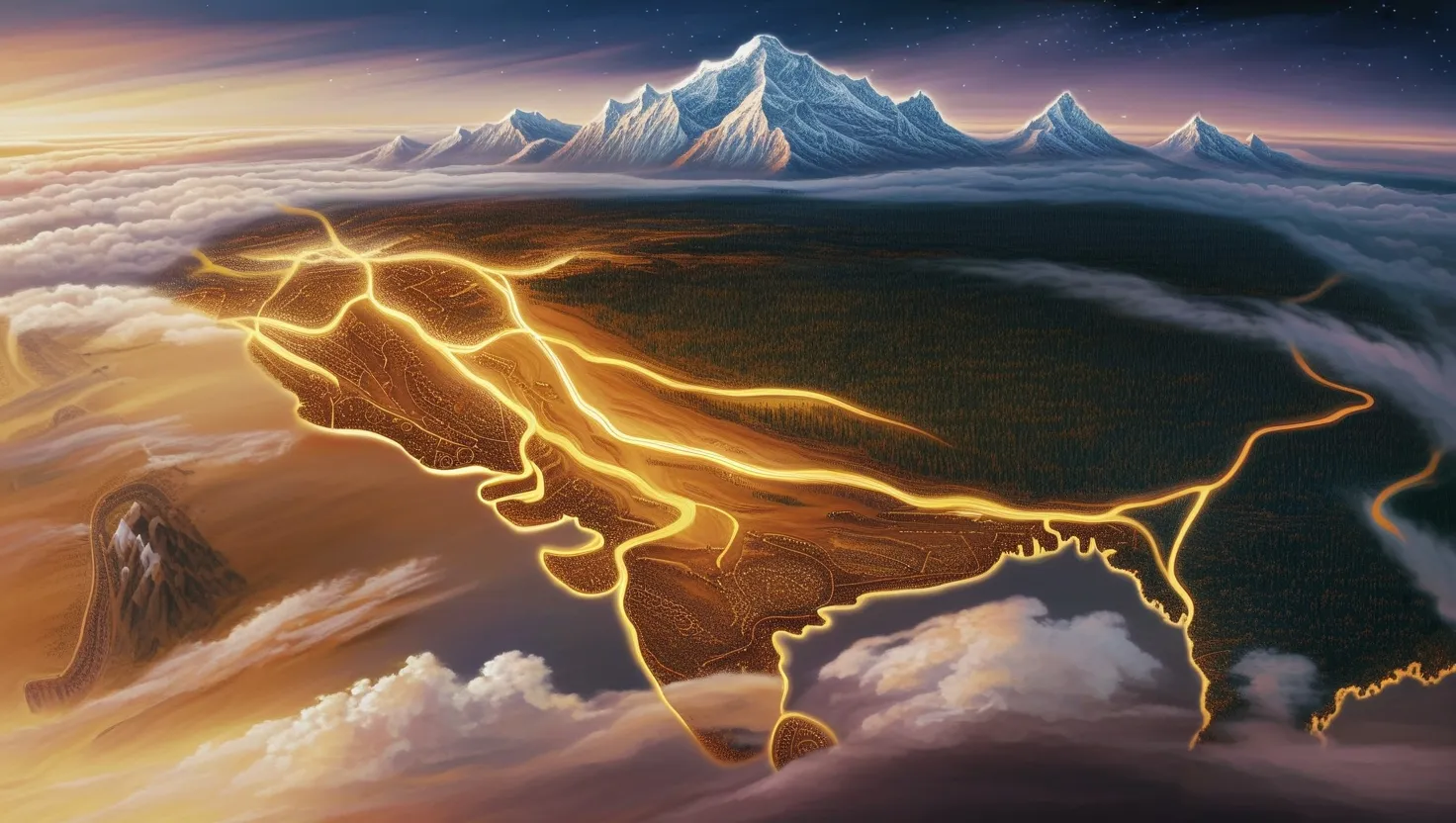
What if the ground beneath your feet was actually a page from a holy book? What if the river you crossed this morning carried the memory of a goddess? The Puranas — ancient Indian texts that most people vaguely associate with mythology and old stories — actually do something quite extraordinary. They turn the entire Indian subcontinent into a living, breathing spiritual map. Not a map of roads and borders, but a map of divine energy, sacred memory, and cosmic meaning.
Let me walk you through this world, simply and clearly, because once you see it, you cannot unsee it.
Most of us learn geography as a dry list of facts. Rivers flow from here to there. Mountains are this tall. Forests cover that region. The Puranas threw all of that out the window. In their view, every natural feature has a story, a personality, and a purpose. The land is not just dirt and water. It is scripture. It is alive.
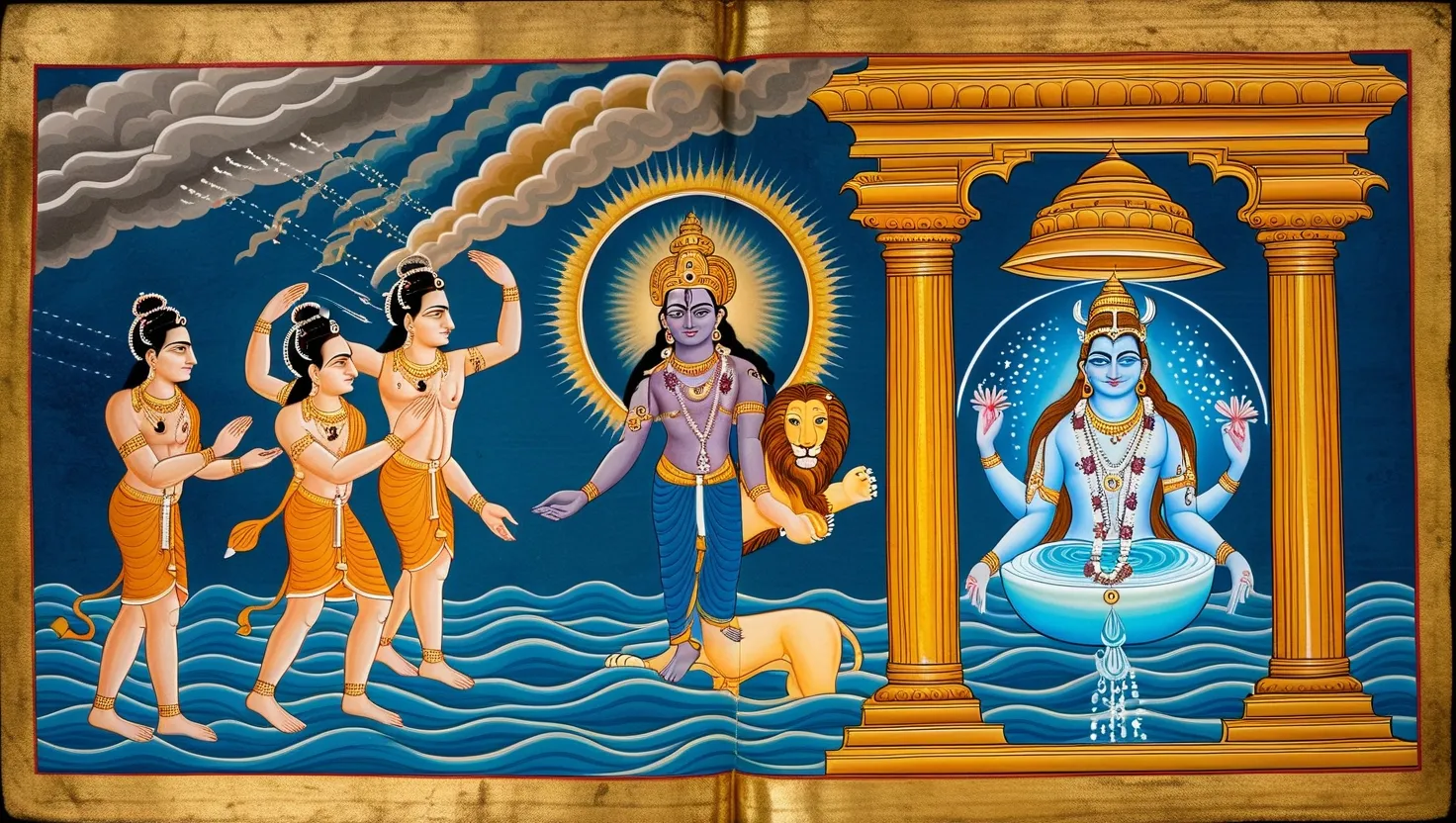
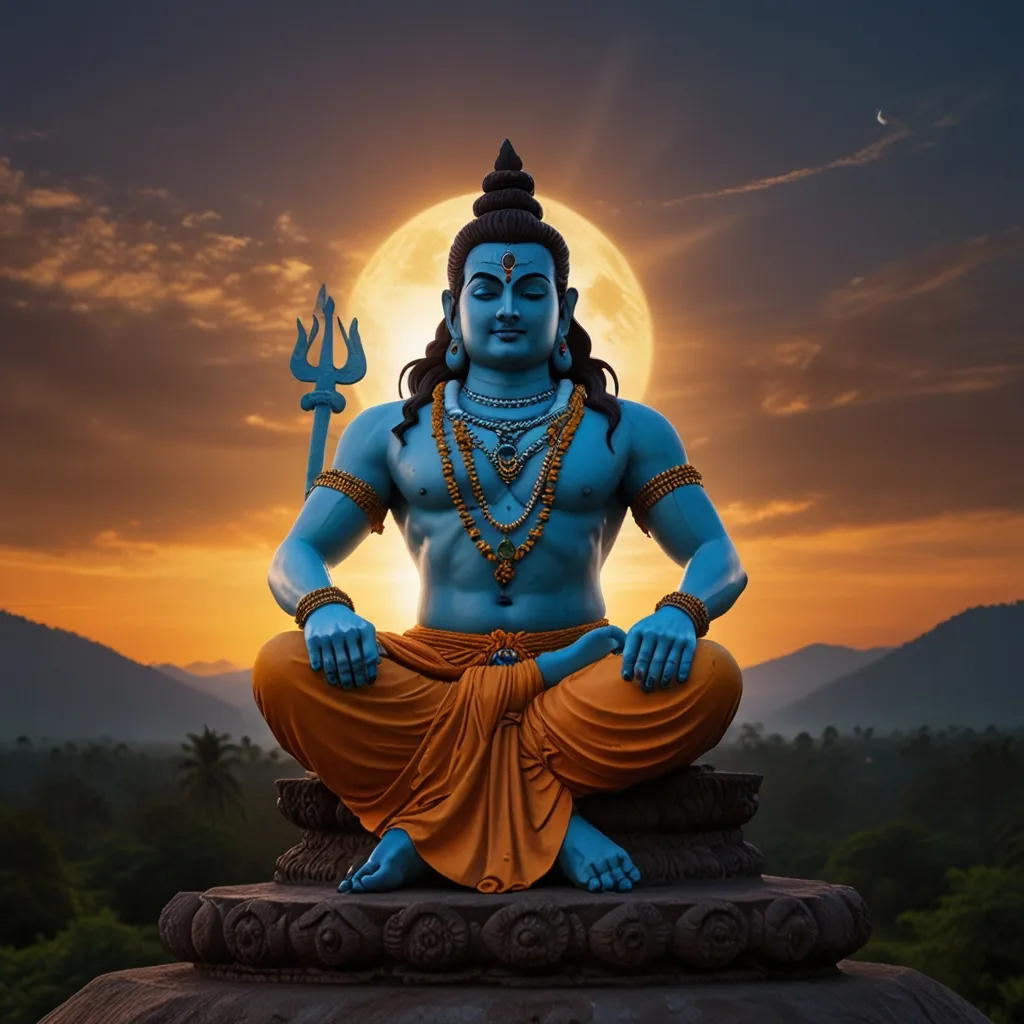
Start with the Ganges. You probably know it as India’s most famous river. But the Puranas describe her as a goddess who literally fell from heaven. Shiva, the great god, caught her in his matted hair to soften the blow of her descent, because the force of a celestial river hitting earth would have destroyed everything. She then flowed gently into the plains. This story is not just poetry. It explains why millions of people bathe in the Ganges as a spiritual act. You are not washing in river water. You are touching something that once existed only in the realm of gods.
“The Ganga is the most sacred of all rivers. She purifies merely by being remembered.” — Padma Purana
Now ask yourself — does knowing that story change how you would feel standing at the riverbank? Most people who have stood at Varanasi at dawn and watched the light hit the water will tell you that something shifts inside them. The Puranas created that feeling deliberately. They embedded meaning into the physical world so deeply that the geography itself became devotion.
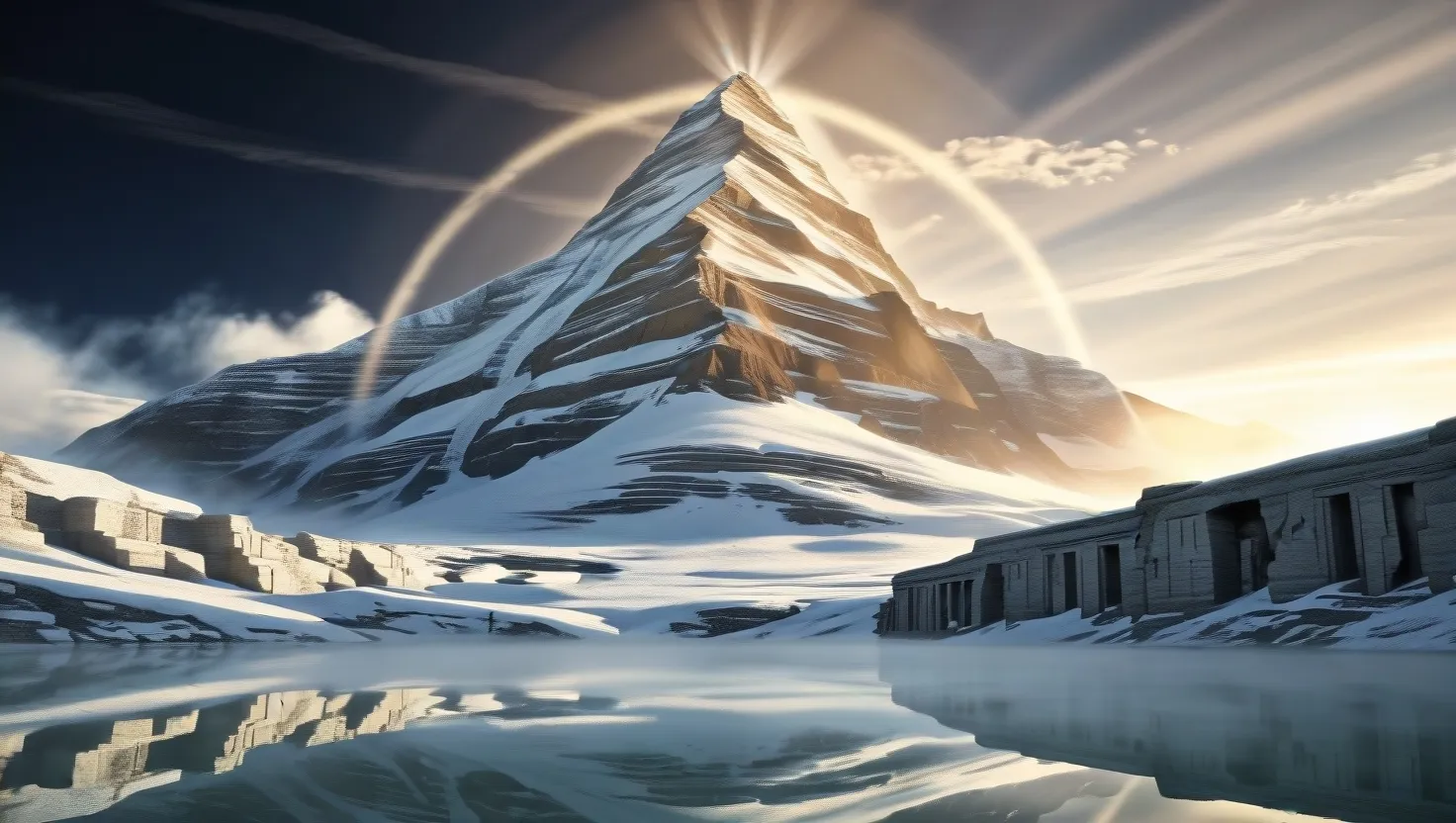
Mount Meru is perhaps the most fascinating piece of this sacred geography. The Puranas describe it as the central mountain of the entire universe. The sun, moon, and stars circle around it. Gods live on its slopes. Brahma, the creator, sits at its summit. Geographically, scholars have argued about whether it corresponds to the Himalayas, or a peak in Central Asia, or whether it exists at all in the physical sense. But that argument misses the point entirely. Mount Meru is a vertical map of existence. It tells you that consciousness has levels, that there are higher and higher planes of being, and that the sacred peaks of this world are physical pointers toward something far greater.
This vertical thinking is deeply practical if you sit with it. When you climb a mountain, you feel something change. The air is different. The noise of ordinary life falls away. Ancient traditions across the world noticed this. The Puranas simply gave it a cosmic framework.
“He who sees Meru in his heart need not climb any mountain.” — Shiva Purana
The forest of Naimisha is a place most people have never heard of, but it appears again and again in Puranic literature. It is described as the place where sages gathered specifically to hear and preserve Puranic knowledge. The texts do not say a palace or a city. They say a forest. There is something intentional in that choice. The Puranas suggest that wisdom is best received in a quiet, natural environment — that the forest itself participates in the learning. The trees are not just scenery. They are witnesses.
Have you ever noticed that your best thinking happens outdoors, away from screens and noise? There might be older wisdom in that feeling than you realize.
The twelve Jyotirlingas are another layer of this sacred map that deserves serious attention. These are sites — spread across the entire subcontinent from Somnath in Gujarat to Rameshwaram at the southern tip — where the Puranas say Shiva appeared as an endless pillar of light. Each site has its own story. At Kashi, the light emerged to settle an argument between Brahma and Vishnu about who was supreme. At Somnath, the moon god built a temple to recover from a curse.
What is remarkable is the geographical spread. These twelve sites mark out a territory that covers practically the entire subcontinent. They form a kind of sacred boundary, a spiritual circuit drawn across real physical space. A pilgrim who visits all twelve has, in a sense, traced the outline of a divine presence across the land.
“Where Shiva stood as light, the darkness of ignorance cannot remain.” — Shiva Purana
Rivers in the Puranas are not just rivers. The Yamuna is the daughter of Surya, the sun god. The Godavari was brought to earth by the sage Gautama after he performed extraordinary penance. The Narmada is said to have flowed from the body of Shiva himself. Each river has a distinct identity, a distinct spiritual quality, and a distinct benefit for those who bathe in it or simply remember it. Traveling from the Ganges to the Yamuna to the Godavari is not just crossing geography. It is moving through a mythological story, with each river chapter carrying its own meaning.
This is actually a sophisticated way of preserving environmental reverence. If a river is a goddess with a history and a personality, you are far less likely to treat it carelessly. The personification is practical as much as it is poetic.
The pilgrimage system described in texts like the Skanda Purana and the Padma Purana is extraordinarily detailed. Specific lakes, temples, rivers, and forest groves are listed with their associated spiritual benefits. A dip in this particular lake on this particular day cures a specific kind of suffering. A circumambulation of that hill earns a specific grace. This is not superstition dressed up in fancy language. It is a system that turned the entire country into a network of intentional travel, where movement itself became a form of prayer.
Think about what that does to a society. People from the far south travel to the Himalayas. People from Bengal walk to Rameshwaram. They cross rivers, sleep in forests, eat simple food, meet strangers. The pilgrimage circuit created cultural unity across an enormous and diverse land, held together not by a king’s army but by shared sacred geography.
“The feet of the pilgrim are the feet of the divine, walking the earth in search of itself.” — Skanda Purana
Here is something the Puranas say that almost nobody talks about. They describe many sacred sites as becoming invisible or losing their power during the Kali Yuga — the current age, which they characterize as a time of moral and spiritual decline. Some tirthas, they say, simply disappear. Others remain physically but lose their potency because people stop remembering their stories.
This is a startling teaching. It means that sacred geography is not permanent. It is maintained by human memory and ritual. The land needs the stories as much as the stories need the land. When a community forgets why a river matters, the river does not lose its water — but it loses something else. Something harder to measure and harder to restore.
Does that make you think about places that were once considered sacred and are now forgotten or neglected? It should.
What the Puranas ultimately offer is a completely different way of relating to the physical world. You are not a person moving through neutral space. You are a traveler in a story that was written before you were born and will continue after you are gone. Every mountain you see, every river you cross, every forest you enter has a name, a history, and a relationship with something larger than itself.
The sacred geography of the Puranas is not asking you to believe every detail literally. It is asking you to pay attention differently. To slow down. To ask what a place remembers. To consider that the ground you stand on might have something to say if you are willing to listen.
That, perhaps, is the oldest and most practical lesson these ancient texts carry — that the world is not an empty backdrop for human activity. It is a participant. And it has been waiting, very patiently, for us to notice.