Why Did an Elephant-Headed God Become the Gatekeeper of New Beginnings?
Ever-Growing Legacy of Ganesha: Bridging Ancient Wisdom and Modern Celebrations
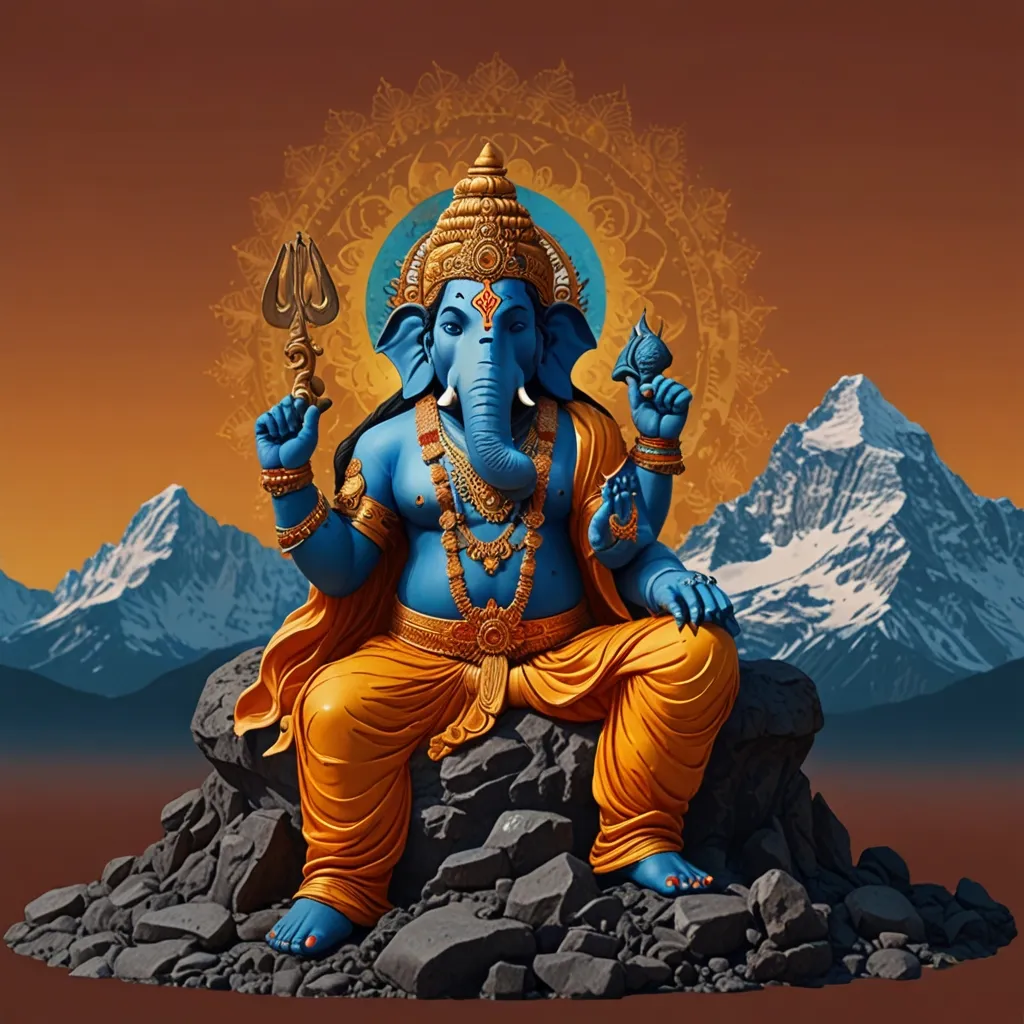
In the vibrant tapestry of Hindu mythology, the story of Ganesha’s birth buzzes with symbolism and spiritual significance. This tale is a cornerstone of Hinduism, deeply interwoven with lessons that have transcended time.
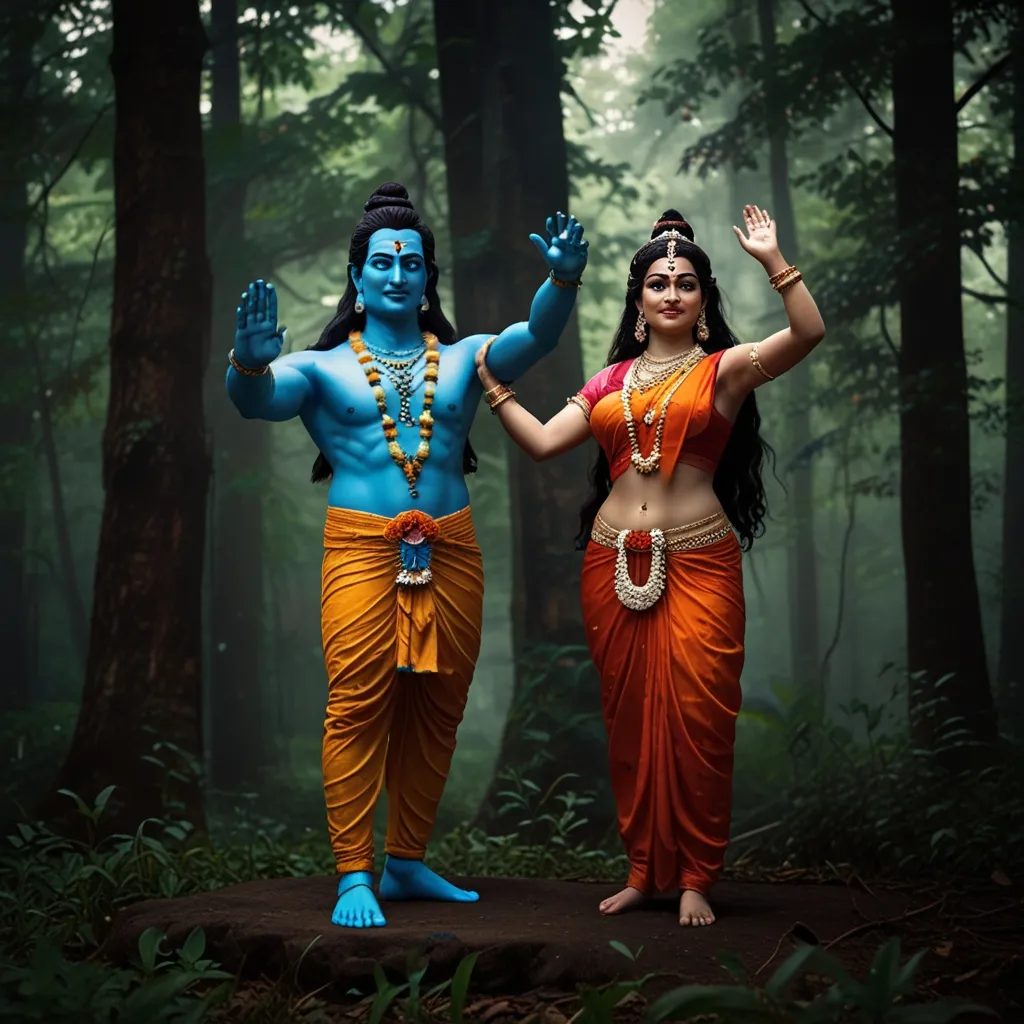
Picture this: Mount Kailash, the celestial home of Lord Shiva and Goddess Parvati. One peaceful day, with Shiva away, Parvati decided she needed some alone time. Using turmeric paste, she fashioned a boy and brought him to life, naming him Ganesha. She appointed this new creation to guard her privacy while she bathed.
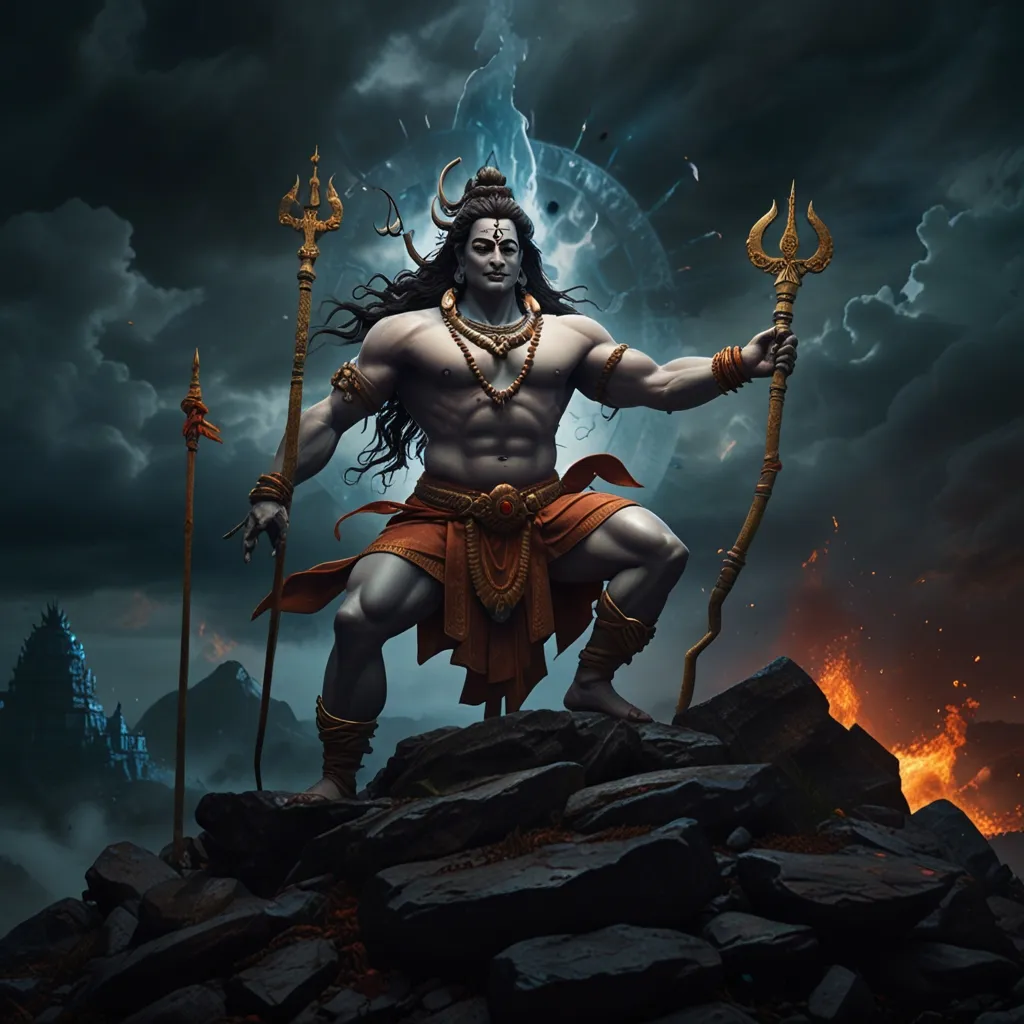
Ganesha took his job seriously and defended the door with unwavering resolve. When Shiva came back, Ganesha didn’t budge, unaware of Shiva’s identity. Enraged, Shiva struck off Ganesha’s head with his trident. Parvati’s grief was so immense that she threatened to end the universe. Realizing his blunder, Shiva scrambled to fix things and sent for the head of the first living being his followers could find. They returned with an elephant’s head. Shiva placed it on Ganesha’s body and breathed life into him, giving him his iconic elephant head.
Parvati symbolizes the creative force of the universe in this story, while the turmeric paste hints at life’s earthly, material aspect. Ganesha, guarding the door, embodies the duty to protect spiritual knowledge and growth.
The tale also dives into themes of devotion and duty. Nandi, Shiva’s loyal bull, initially guarded the door, showing the steadfast dedication needed for spiritual growth. Ganesha sticking to his mother’s orders, even in the face of Shiva’s wrath, champions the virtues of obedience and loyalty.
Ganesha’s rebirth with an elephant’s head isn’t just dramatic flair; it’s packed with meaning. The elephant’s head signifies wisdom, strength, and luck. Ganesha is venerated as the remover of obstacles and the lord of beginnings, crucial in Hindu rituals. Before embarking on any new venture or ceremony, invoking Ganesha is par for the course to ensure smooth sailing.
Celebrations of Ganesha’s birth, known as Ganesha Chathurthi, are grand affairs. Kicking off on the fourth day of Bhadrapada and spanning up to eleven days, this festival sees elaborate rituals, idol immersions, grand parades, and cultural festivities. This time bridges family, community, and spiritual reflection, honoring Ganesha’s role.
The modern era has spiced up these traditions, allowing folks to join in digitally. Virtual pujas and ceremonies make Ganesha Chathurthi accessible to more people, blending heritage with technology seamlessly.
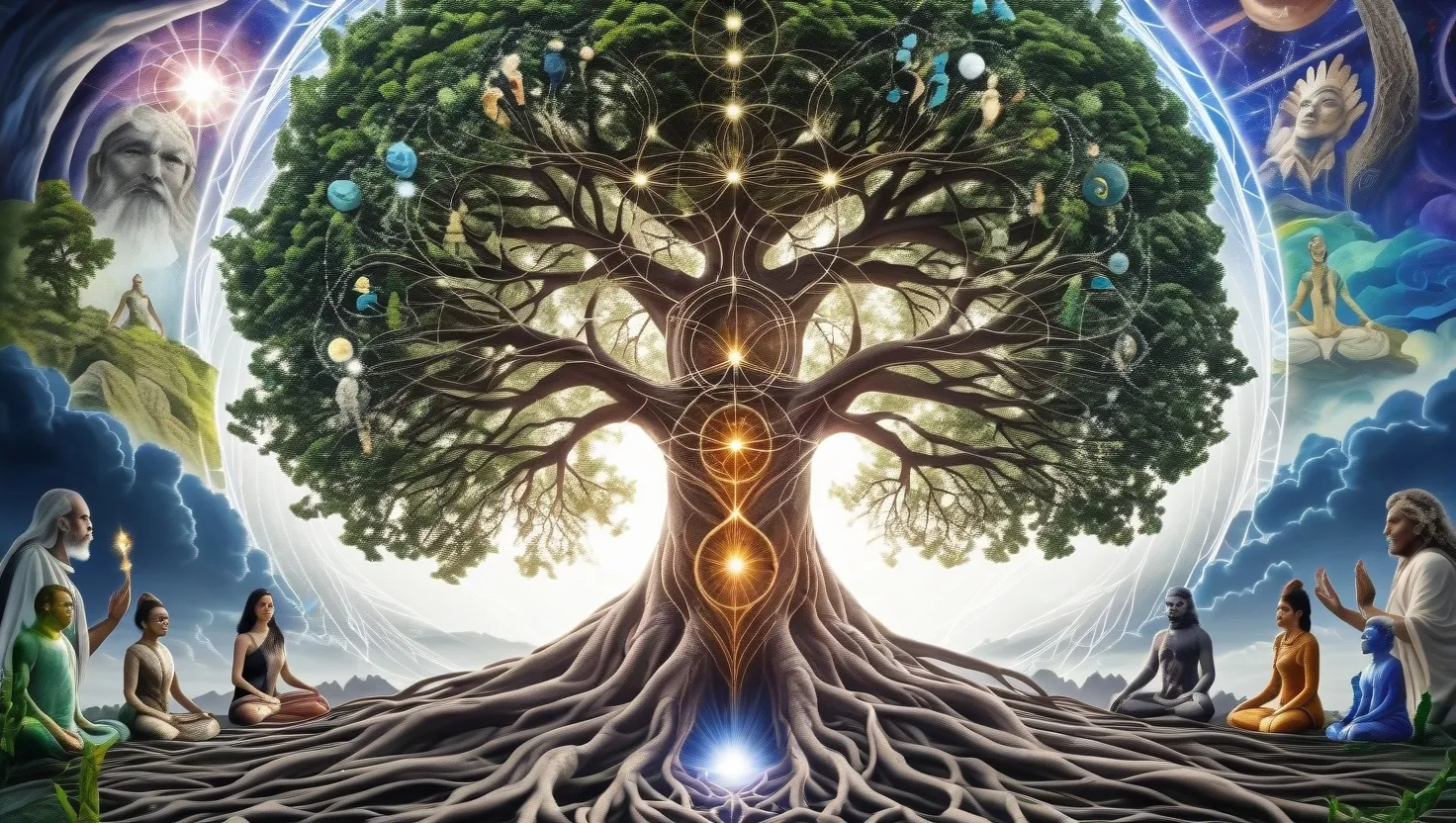
Ganesha’s story isn’t just a tale; it’s a testament to the power of love, devotion, and divine intervention. This narrative is rich with mythological and symbolic elements, underscoring faith and our interconnectedness. As a patron of writers and the one who clears obstacles, Ganesha remains a treasured guide, helping people navigate life’s hurdles and celebrate fresh starts.