Did Shiva Really Save the Universe by Swallowing Poison?
Cosmic Churn: The Eternal Dance of Balance and Immortality in Samudra Manthan
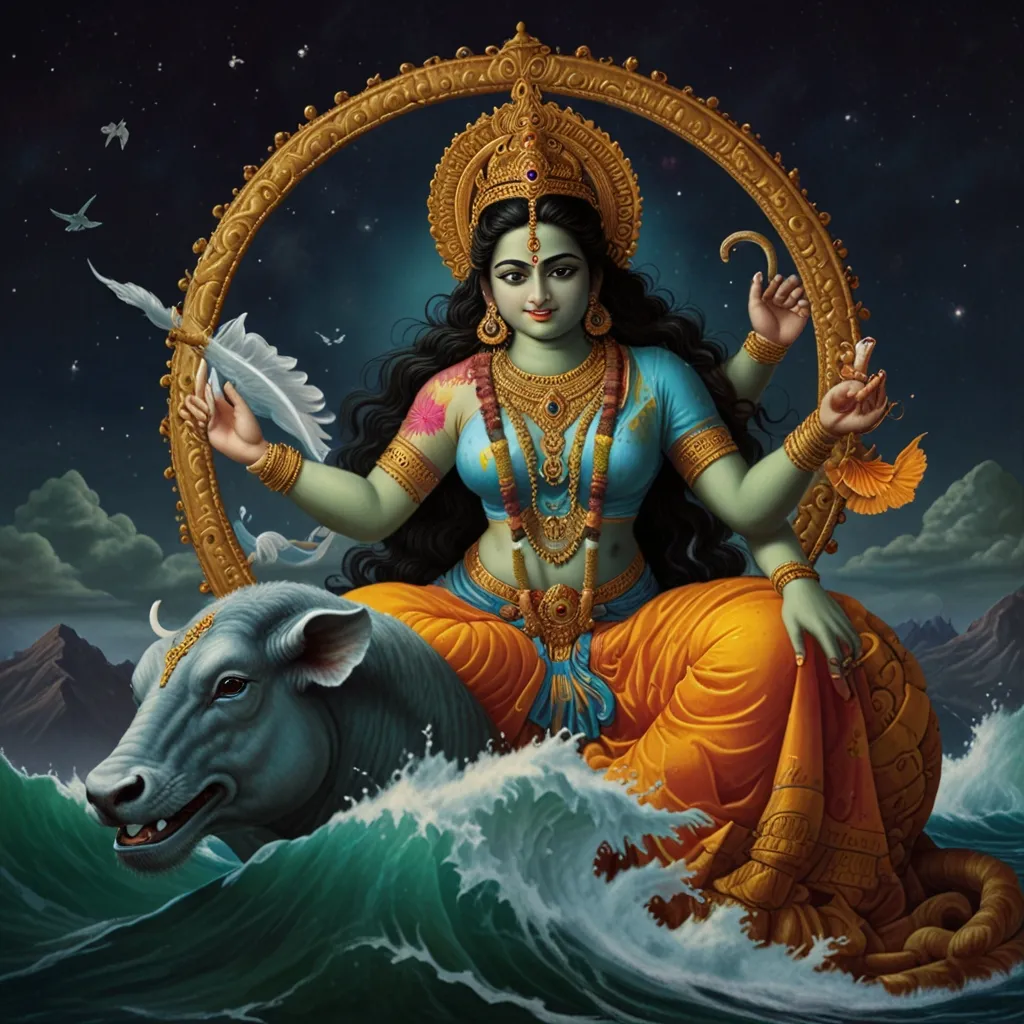
In the vast sea of Hindu mythology, one of the most mesmerizing stories is the churning of the ocean of milk, called Samudra Manthan. This epic tale showcases the perpetual battle between the gods (devas) and the demons (asuras), with none other than Shiva playing a crucial role.
So, it all starts with the gods feeling all weak and weary due to a curse from the hot-headed sage Durvasas. To regain their mojo, they team up with the demons to churn the cosmic ocean and retrieve amrita, the elixir of immortality. This collaboration is a captivating depiction of the balance between good and evil.
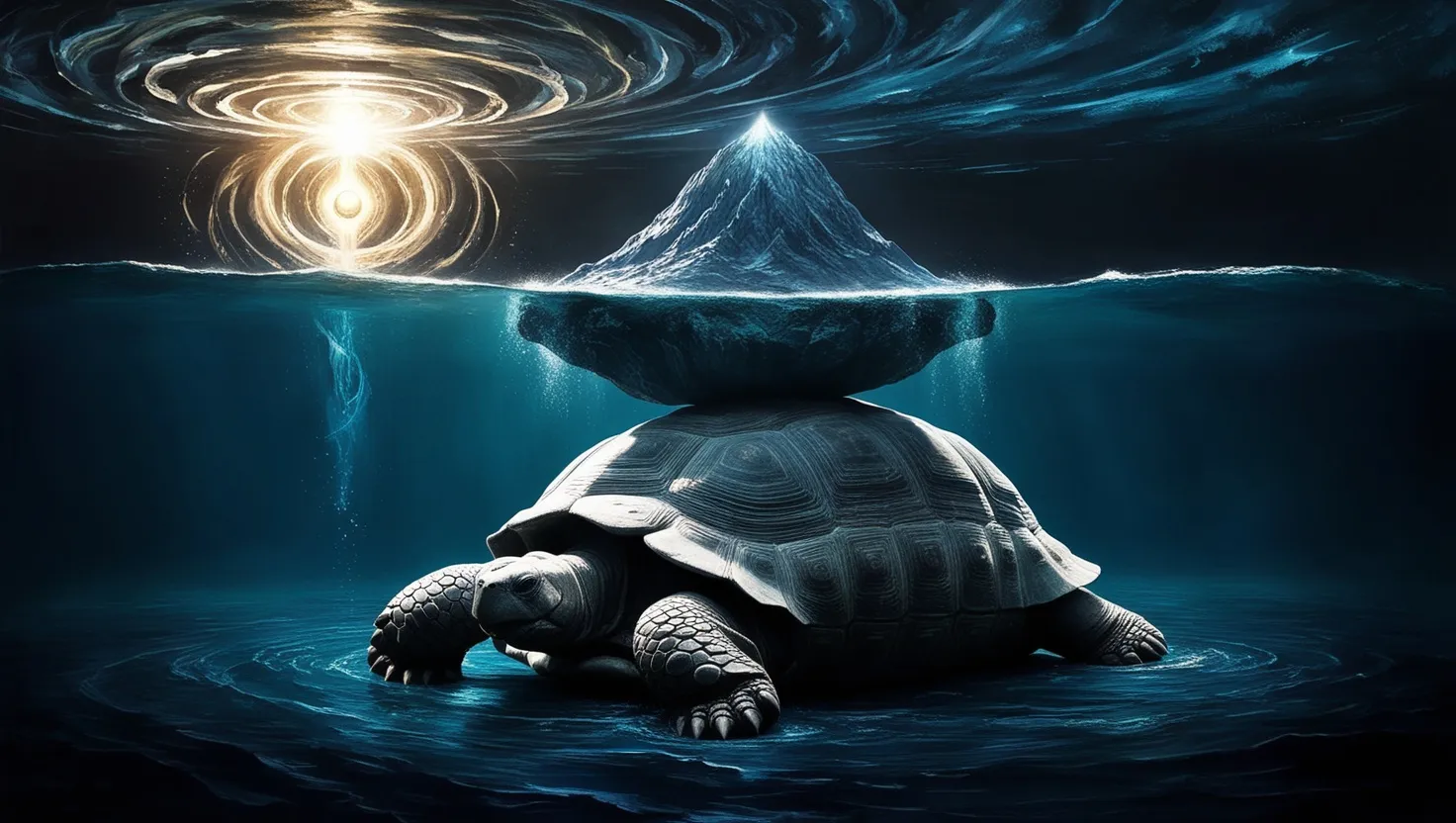
To churn the ocean, they use Mount Mandara as the churning stick. The naga (half-human, half-cobra) Vasuki serves as the rope. The gods grab his tail, and the demons take hold of his head. As they churn, the mountain begins to sink. But fear not, Lord Vishnu, in the form of a tortoise named Kurma, comes to the rescue, supporting the mountain on his back.
The churning goes on for a thousand years. Out of the ocean emerge various treasures—the moon, a beautiful tree called parijata, a four-tusked elephant named Airavata, a wish-granting cow named Kamadhenu, and the goddess Lakshmi, who eventually becomes Vishnu’s wife.
But then, things take a dark turn. A terrible poison threatens to spoil the amrita. Enter Shiva, the protector. He swallows the poison, holding it in his throat, which turns blue from its venom. This heroic act saves the day and earns Shiva the name Neelkanth, “the blue-throated one.”
Finally, the amrita appears, sparking a fierce battle between the gods and demons. The gods, determined to regain their strength, fight courageously. Vishnu, donning his avatar as the enchantress Mohini, distracts the demons and slyly distributes the amrita among the gods, ensuring their victory.
Samudra Manthan isn’t just a myth; it’s a treasure trove of cultural and spiritual wisdom. It symbolizes the never-ending struggle between good and evil and the necessity for balance in the universe. The treasures represent various life aspects while the poison signifies challenges to overcome.
On a deeper level, the churning story has yogic meanings. It signifies the internal struggle within each of us, where divine and demonic qualities must find balance. The churning is like our own journey of self-discovery and our everlasting quest for not just physical, but spiritual immortality.
Even today, the legend of Samudra Manthan inspires art and festivals. The Kumbha Mela, one of the world’s largest religious gatherings, is celebrated every twelve years in four different locations—Haridwar, Prayagraj, Nashik, and Ujjain—where it’s believed that drops of the amrita fell.
This story is like a rich tapestry of mythology, symbolism, and culture. It reminds us of balance, the unending struggle between good and evil, and our ultimate quest for immortality. Shiva’s role in this tale highlights his importance as a protector and symbol of the divine within us.