What's the Secret Wisdom the Katha Upanishad Holds?
Unraveling the Deep Mysteries of the Katha Upanishad's Timeless Wisdom
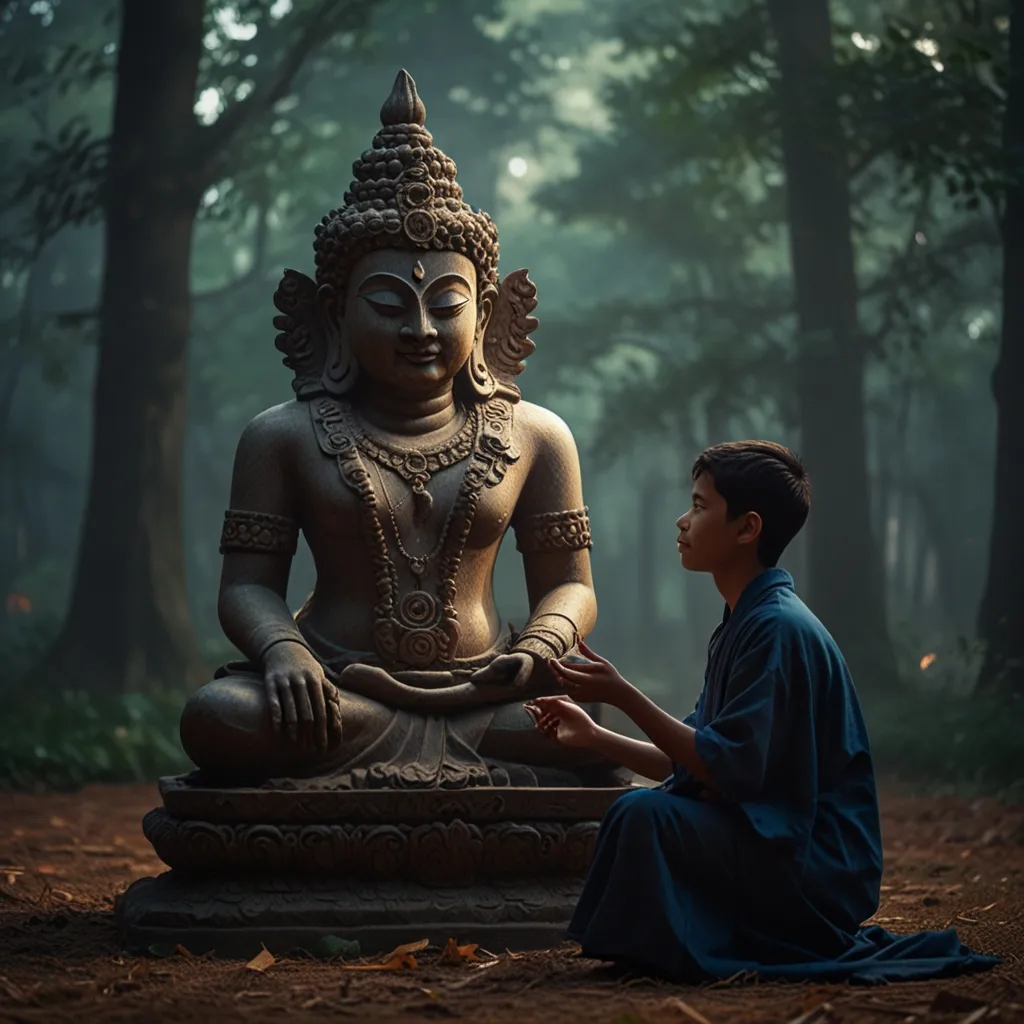
The Katha Upanishad, a key text in Hinduism, dishes out some pretty deep wisdom. Part of the main Upanishads within the Krishna Yajurveda, it’s split into two chapters with three sections each, adding up to six sections. The story centers on a young boy named Nachiketa and Yama, the God of Death.
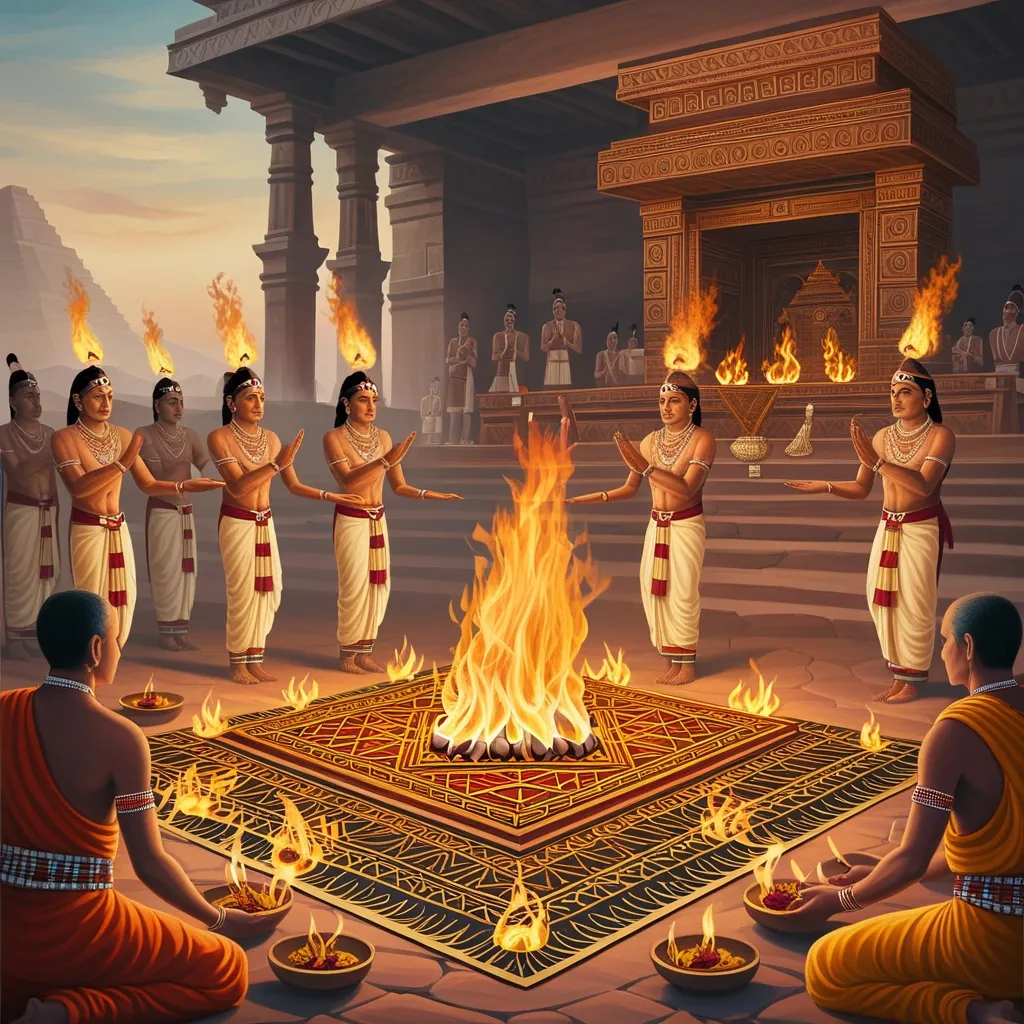
Nachiketa’s tale is etched in ancient Hindu mythology and mentioned in the Taittiriya Brahmana, where he’s tied to a fire ritual. In this Upanishad, Nachiketa is super curious about life’s big questions and seeks Yama to get some answers. Impressed by the boy’s persistence, Yama spills the beans on the universe’s secrets and the path to liberation.
A big theme here is the Atman, or the Self. The Katha Upanishad says the ultimate goal is to understand this Self, which brings the highest happiness. It hammers in the difference between the Atman and the physical body and chats about Brahman, the ultimate reality, showing how it’s linked to the Atman.
The text is famous for its poetic and philosophical flavor, turning heavy ideas into beautiful but sometimes tough reads. Through metaphors and stories like the chariot analogy, it makes its points. In this analogy, the body is a chariot, the senses are horses, and the mind is the reins. The gist? Get a grip on those senses and your mind for spiritual growth.
It also dives into the concept of yoga, talking about the steady control of the senses and the mind. Meditation and self-discipline are stamped as crucial for spiritual enlightenment. The Katha Upanishad lays some of the earliest groundwork for yoga, making it a big deal in understanding the roots of this practice.
When this text was written is fuzzy, with guesses pointing somewhere between the 5th and 1st centuries BCE. It’s one of the older Upanishads, influencing lots of later Hindu writings and philosophies. Big names like Adi Shankara and Madhvacharya have penned commentaries on it.
Even though it’s ancient, the Katha Upanishad’s messages still hit home. Its focus on self-knowledge, the Self, and the path to freedom resonates with spiritual seekers today. The stress on controlling the senses and the mind feels especially relevant in our distraction-heavy times.
The Upanishad has inspired various adaptations, like the animated short “The Secret of Death,” which uses shadow puppets and stop-motion to bring Nachiketa and Yama’s story to life.
All in all, the Katha Upanishad delivers rich, profound insights into the Self and spiritual enlightenment. Its timeless wisdom on self-discipline, meditation, and sensory control continues to inspire, whether through old-school rituals or modern spins on the tale. This Upanishad remains a cornerstone of Hindu philosophy and culture, standing the test of time.