Imagine sitting with me right now, staring at the biggest question we all dodge: what happens when you die? In the Vedas, those ancient Indian texts, death isn’t the end of the story. It’s just a door you step through in a giant wheel that keeps turning—birth, life, death, repeat. Stick with me as I walk you through this simple idea, pulling from old hymns and rituals that make it feel less scary and more like a family road trip.
Think about it this way: your body stops, but you—the real you, that spark inside—keeps going. The Vedas call this spark the Atman. It slips out like a hand from a glove. No big drama, just a shift. Early songs in the Rig Veda saw death as sleep between wake-ups. You close your eyes here, open them somewhere else. Simple, right? But what if I told you they pictured the body getting rebuilt there, perfect, no aches or pains?
Here’s a powerful line from the Bhagavad Gita that hits hard: “Death is certain for the born; birth is certain for the dead. Therefore, you should not lament over the inevitable.” Chew on that. Does it make you stop fearing the dark?
Now, picture two roads after you leave your body. One’s the Pitriyana, the path to your ancestors. It’s lit by soft lights—moonlight, fireflies of the soul—and guided by chants your family sings at your funeral. You float to a cozy spot with grandma and great-uncle, hanging out until it’s time for a new life. The other path? Straight to the gods, sunny and endless. No coming back. That’s freedom, baby—no more spinning wheel.
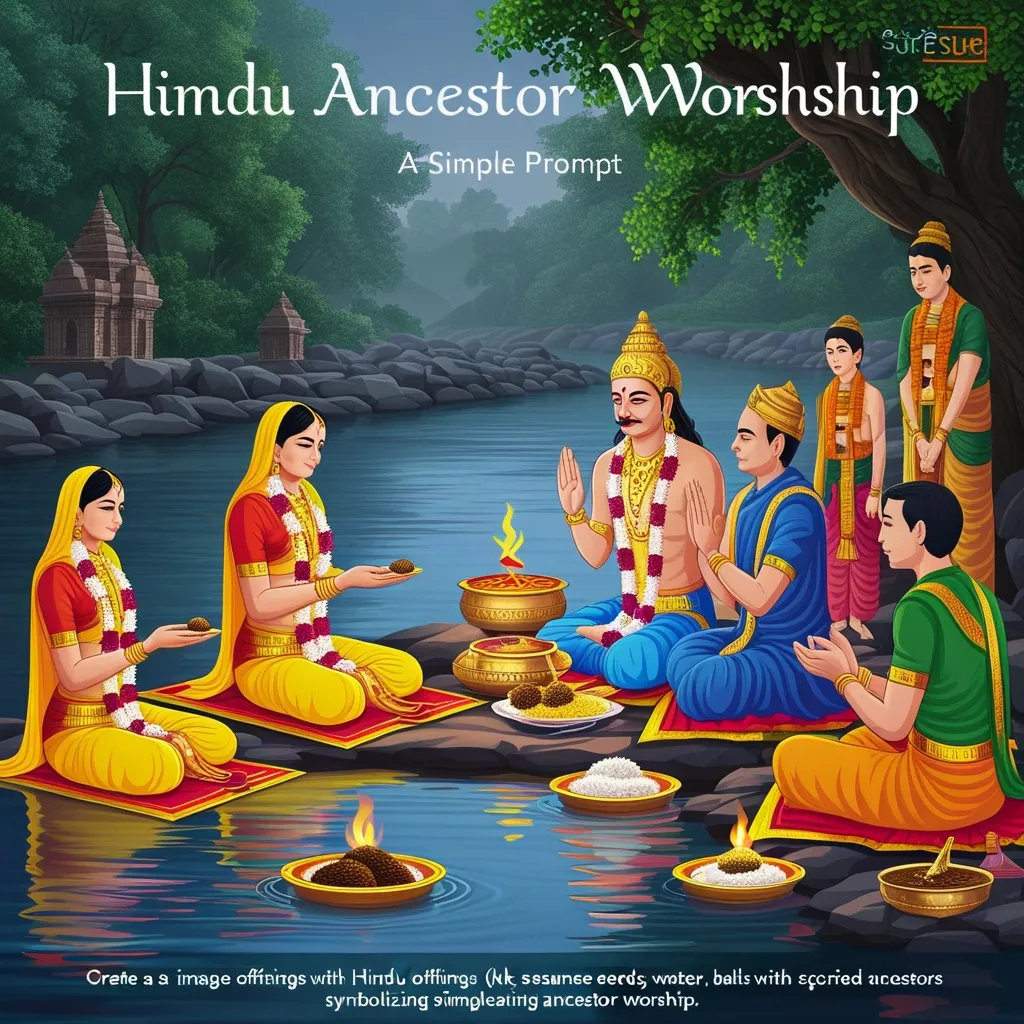
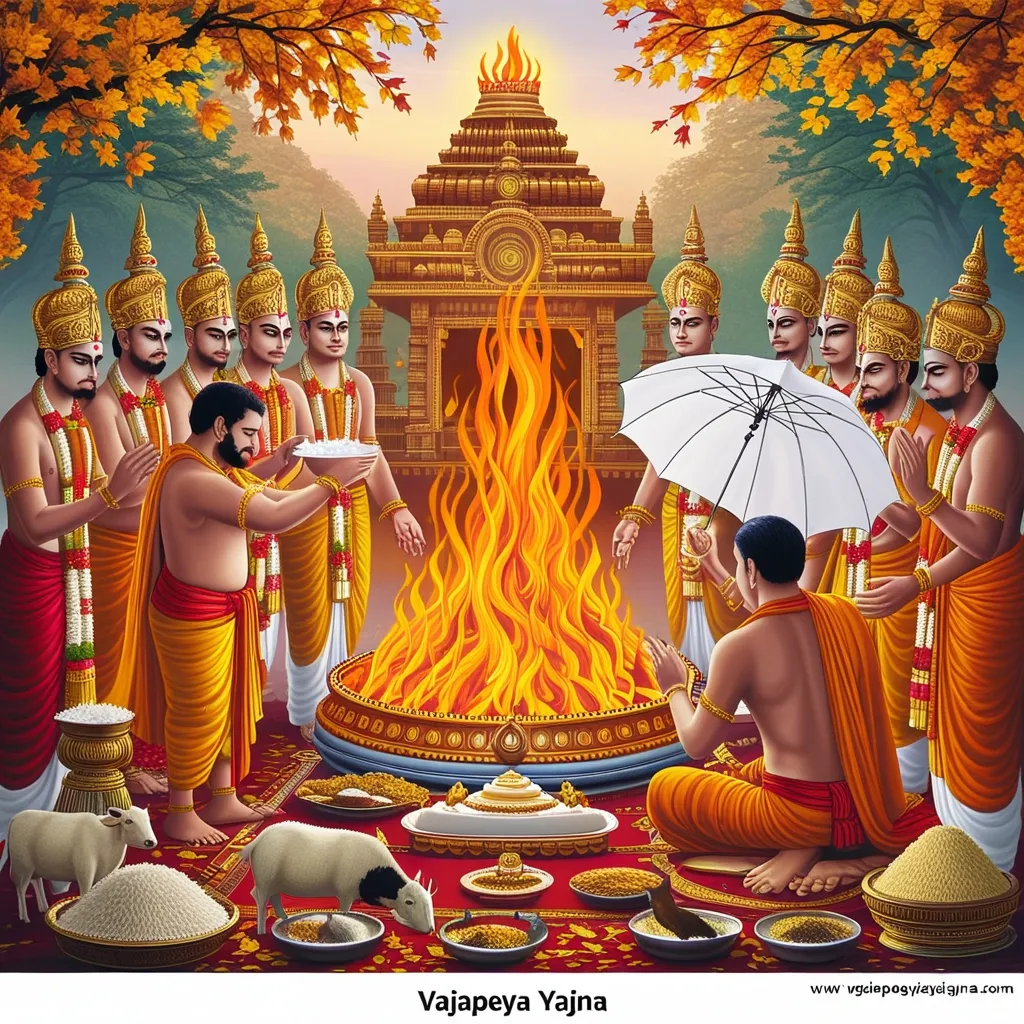
But wait, have you ever wondered why funerals matter so much? In Vedic times, they call it Antyeshti—the last gift. Family gathers, lights a fire, pours water, says mantras. It’s not just goodbye. It’s helping you let go of your old house (the body). Without it, you might wander like a lost ghost, stuck because rituals weren’t done right. Crazy, huh? One old text whispers that if ancestors get no offerings, they’re trapped, pulling the whole family line down.
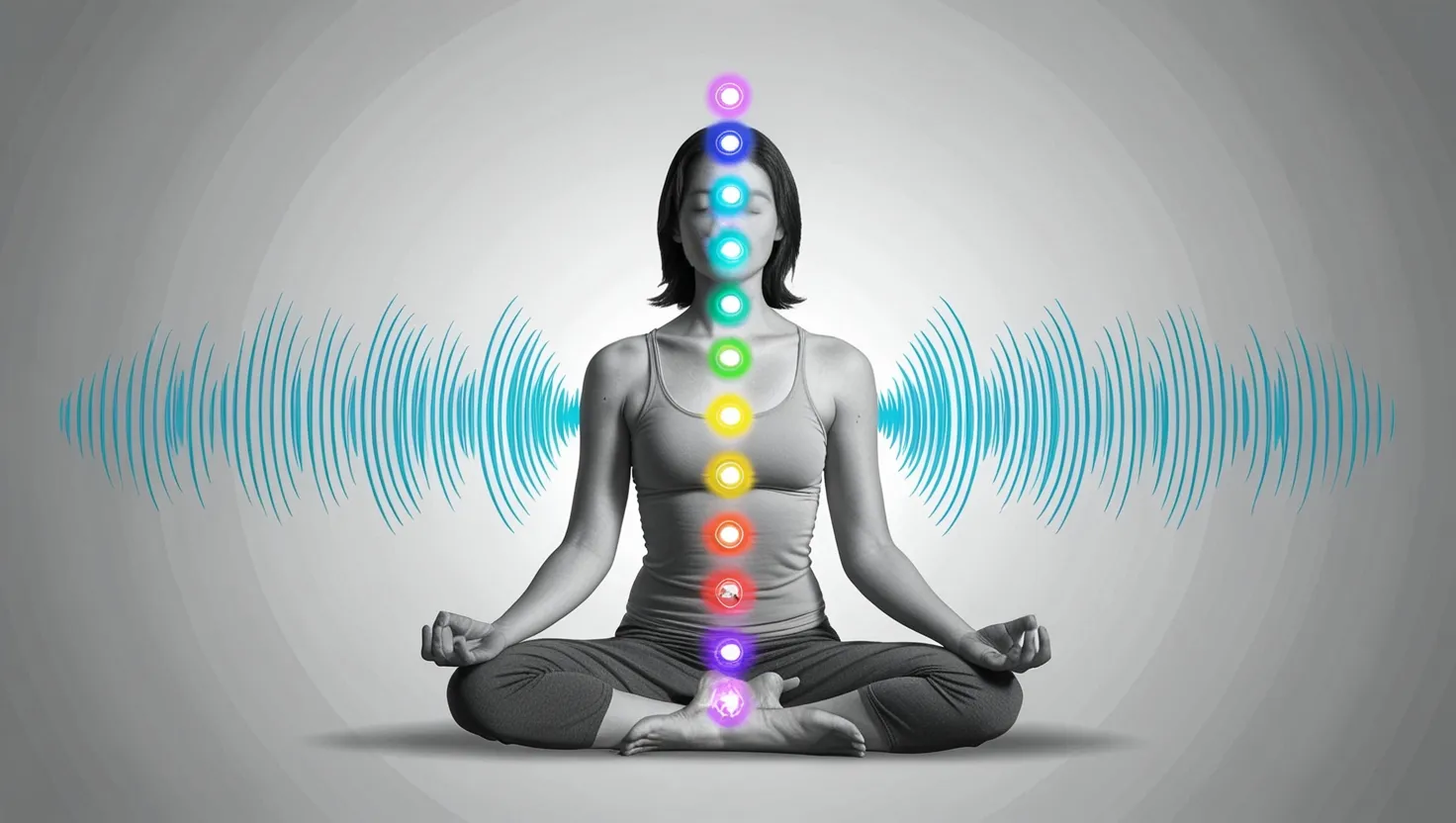
Let me guide you deeper. Do this: close your eyes and feel your breath. That’s Prana, the life force. Vedas say it leaves with you, pouring into your next adventure. Early thinkers believed your mind—your likes, hates, memories—tags along too. Atman isn’t empty; it’s packed with your story. So, live kind today, because tomorrow’s shaped by it.
Acharya Shunya puts it raw: “There is no greater justice than death… it’s a moral field in which truth catches up with our self deceptions.” Feel that? Death isn’t punishment. It’s a mirror. You review your life alone, chatting with your own choices. What would you say to your past self right now?
Lesser-known bit: Vedas dreamed of cheating death altogether. Prayers begged gods like Rudra for Amartatva—deathlessness in this very body. No pain, endless joy. Humans couldn’t grab it because we forgot to please the wild ones. Imagine if we still prayed that way? Would you try it?
Shift to ancestors, the Pitrs. They’re not ghosts in the attic. They’re family upstairs, in another room. Every month, pour water, offer rice balls during Shraddha. It keeps the link alive. Miss it, and they starve spiritually, blocking your luck. One obscure hymn says unappeased Pitrs curse your kids’ weddings. Wild perspective: you’re not just you. You’re a thread in a long rope, holding past and future.
Question for you: Ever felt a loved one after they’re gone? Vedas say that’s real. The bond twists, doesn’t break. Modern folks hide grief in hospitals. Vedic way? Cry loud, chant together, feed the soul. Community heals. It turns loss into a party for the journey.
Karma sneaks in here, simple as planting seeds. Good deeds? Smooth road, bright lights. Bad ones? Bumpy pit, lessons learned. Not hellfire— just your own mess reflected. Vedas hint at 21 heavens and hells, like cosmic hotels. Stay till karma’s paid, then new body. But here’s the twist: thought at death decides it all. Chant a good mantra, think love—boom, better next round. Scared yet? Or excited to control your story?
“Just as a man discards his old clothes and wears new ones; similarly the Atman discards the old body and takes on a new one.” Bhagavad Gita again. See? You’re not the shirt. Change it often.
Unconventional angle: death as teacher. Samhitas begged for long life—enjoy the feast! But later, Brahmanas said rituals fix your afterlife and ancestors’. Upanishads flip it: life’s the curse, death the door to Moksha. Freedom from the wheel. Not by dying fast, but seeing the watcher inside who never dies. Mind blown?
Practical me says: live this now. Wake early, give to strangers, speak truth. Build merit like stacking bricks for your soul’s house. Fear drops because it’s not over—it’s chapter two. Ever tried a mini-ritual? Light a candle, thank your dead folks. Feels good, right?
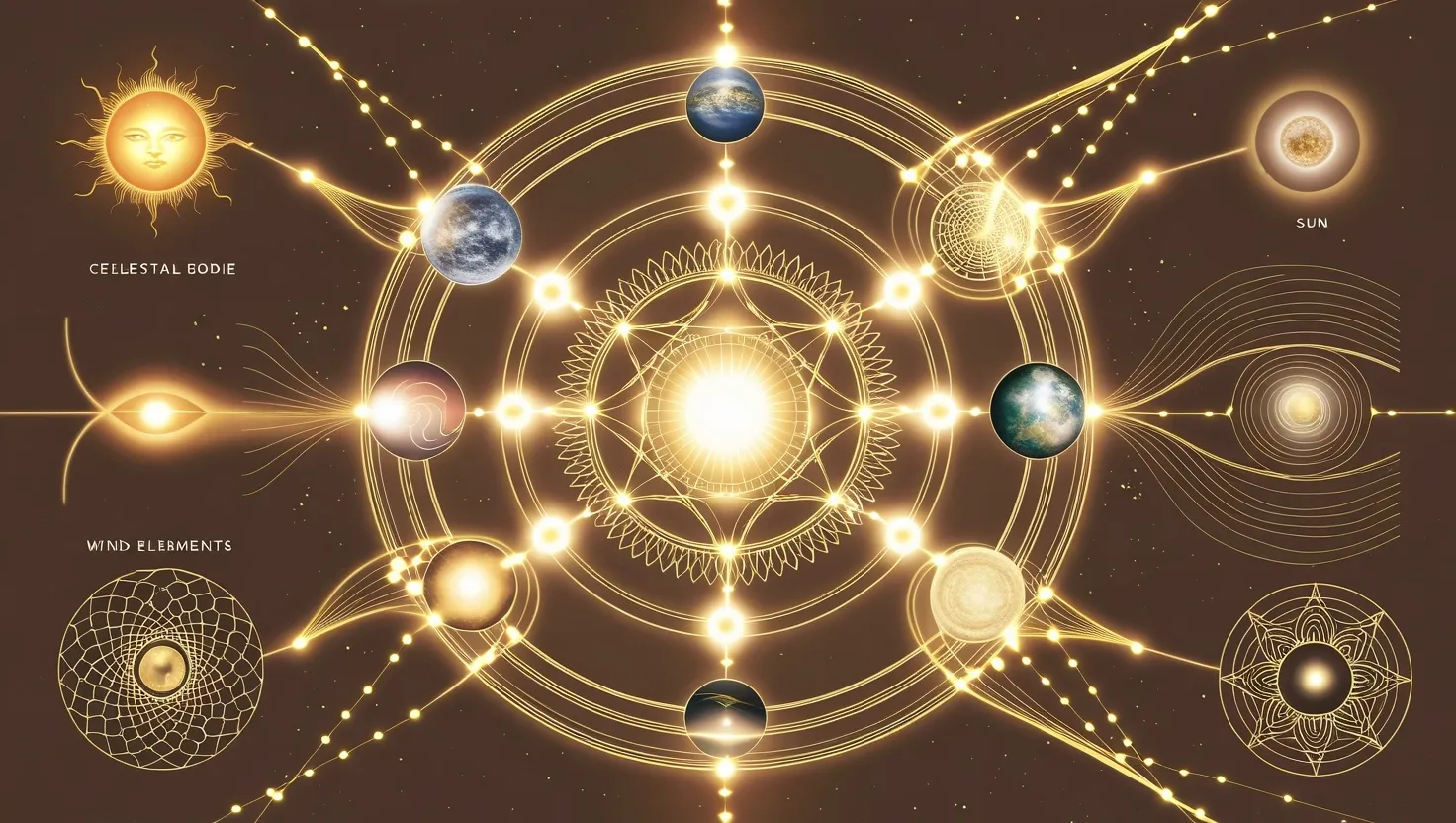
Dig into the journey phases—five of them, per old sages. First, unbinding: sheaths peel off, Atman peeks out. Second, subtle body forms—your travel kit of karma and desires. Third, cross the river Vaitarani—not water, but your regrets. Slippery if life’s messy. Fourth, Yama’s review: face your mirror. Fifth, rest or rebirth. Guided by light beings if you earned it.
What if desires end? No more bodies. You merge with the big light. Gods drank that nectar; why not us? One Vedic prayer moans: Rudra holds it back. Appease him with fire offerings. Lesser fact: ghosts form from botched funerals or sudden deaths. Rituals chase them off.
Modern twist: we chase pills for long life, ignore the wheel. Vedas laugh—life’s precious because short. Enjoy food, love, sun. Death reminds you. In cities, we die alone. Vedic way: village sings you out. Which feels truer?
“We’re like standing in the sunyata this emptiness… it’s not punishment that we are waiting for but we are waiting for the wisdom of the cosmos.” Shunya nails it. Death strips fakes, leaves truth.
Family duty hits different. Sons light the pyre—why? Transfers karma cleanly. Daughters wail first, release emotion. Everyone eats together after. Grief shared, not bottled. Today, therapy bills soar. Vedic free: ritual circle.
Imagine Yama, death’s king. Not monster—fair judge. First guy to die, he chose the path. Invites you home. Hymns beg him: gentle ride, please. Unconventional: women got afterlife too, but paths varied. Some texts say they shine brighter, less attached.
Moksha whispers at end. Rituals honor the wheel, but goal’s jumping off. See Atman as eternal witness. Death rites train you for that gaze. Paradox: mourn to celebrate the undying.
Question: Ready to live without death’s shadow? Try Shraddha weekly—water for forebears. Notice shifts? Energy flows.
Vedas evolve: early, death curse. Later, necessary nap. Upanishads: key to freedom. No sinners, just forgetters. Rebirth jogs memory till light dawns.
Practical tip from me: bedtime, review day. Good? Smile. Bad? Fix tomorrow. Preps your exit thought. Antim smaraṇa—last memory rules rebirth.
“The individual is a stream of consciousness (Ātman), which flows through all the physical changes of the body and at the death of the physical body, flows on into another physical body.” Flows, see? Never stops.
Ghosts—preta—linger if rites skip. Hungry, angry, haunt. Full Shraddha ceremony, 10 days, feeds them to peace. Family priest chants; you watch, learn.
Wheel’s ethical push: act right, chain stays strong. Generosity? Ancestors cheer, kids thrive. Stingy? Breaks. Live responsible.
Contemporary lens: cancer wards need Vedic chants. Grief groups? Add Shraddha. Turns taboo to toolkit.
Ultimate nudge: you’re eternal. Body’s temp. Focus chapters well. Death? High five to next.
“In Hinduism, the belief is that the body is nothing but a shell, the consciousness inside is immutable and indestructible.” Boom.
So, friend, wheel spins. Step conscious. Rituals map it. Live juicy, die graceful. What’s your first change?
(Word count: 1523)