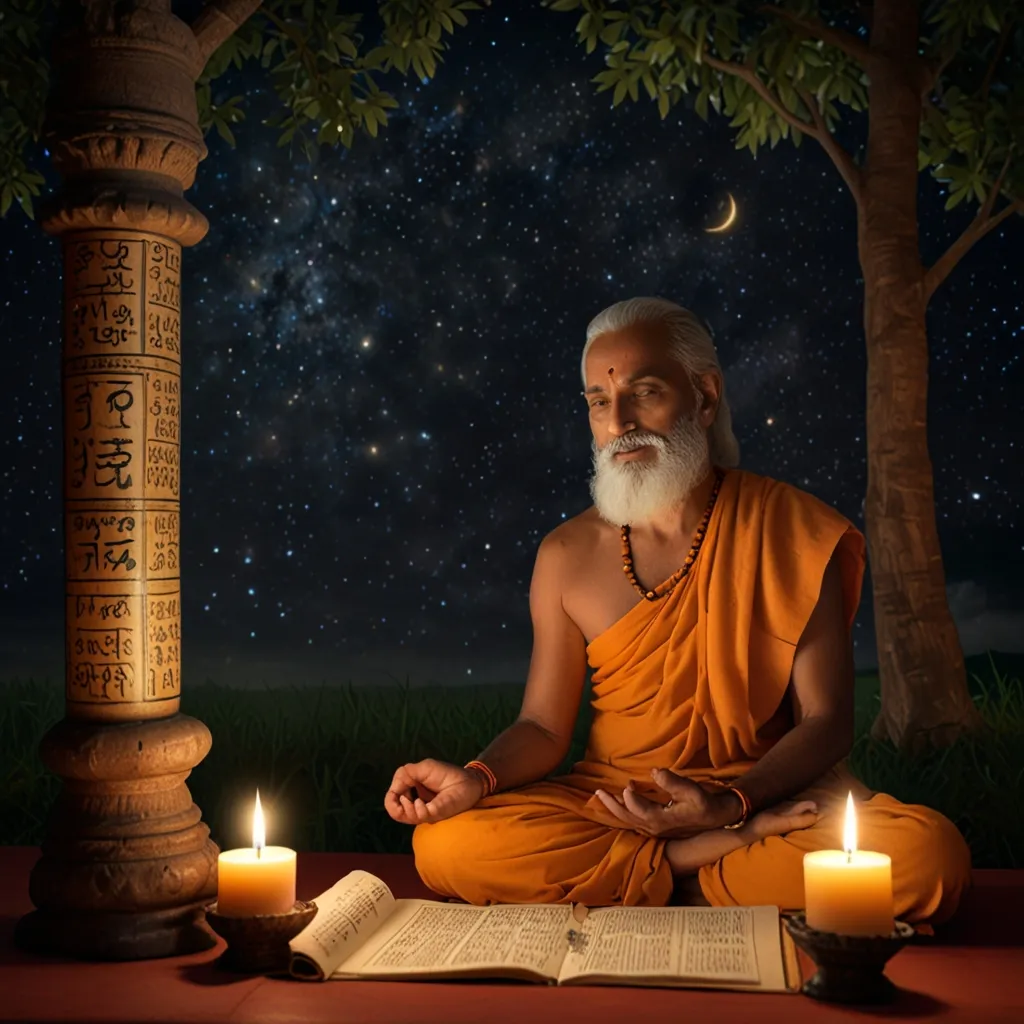
The Ancient Vedic Life Map That Modern Psychology Is Still Catching Up To
Discover the Vedic ashrama system — four life stages that map your journey from student to renouncer. Learn why aging is progress, not decline. Read more.

Have you ever looked at your life and wondered why what made you happy at twenty feels hollow at forty? Or why someone who built an empire their whole life suddenly wants to sit alone in a garden and watch birds? The ancient Vedic teachers had an answer for this. They mapped the entire human journey into four distinct stages called ashramas. And what they discovered thousands of years ago is something most modern therapists are still trying to figure out.
The word ashrama itself is beautiful. It doesn’t mean “phase” in the cold, clinical sense. It means a place of effort, a station on the road. Each stage asks something specific from you. Each one gives something specific back. Miss the lesson of one stage, and you carry its unfinished business into the next like luggage you forgot to unpack.
“The purpose of life is not to be happy. It is to be useful, to be honorable, to be compassionate, to have it make some difference that you have lived and lived well.” — Ralph Waldo Emerson
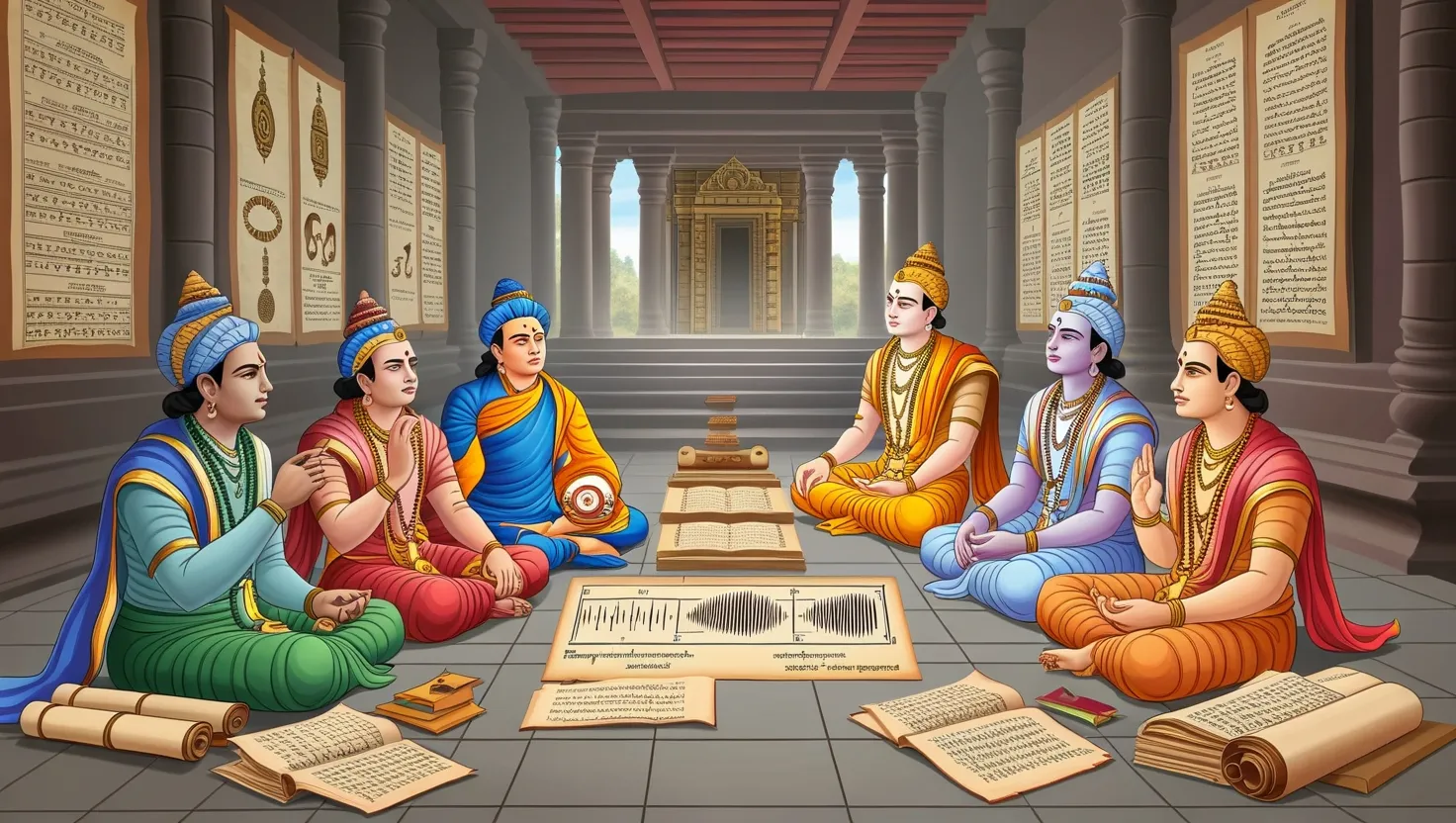
Let’s start with the first stage: Brahmacharya. This is the student phase. Think of it as the time when your only job is to absorb. Traditionally, this began with a ceremony called Upanayana, where a young person was essentially “born again” into a life of learning. The student would go live with a teacher, sometimes for years, learning not just texts and skills but how to think, how to serve, and how to sit quietly with knowledge that takes time to understand.
Here is something most people don’t know: the word brahmacharya is usually translated as celibacy, but its deeper meaning is “walking in the consciousness of Brahman,” the universal source. The celibacy was a method, not the goal. The real point was conservation of energy. Not just physical energy, but mental and emotional energy too. The student wasn’t supposed to be distracted by desire or ambition. The mind had one job: receive.
Ask yourself honestly, did your education do that for you? Or was it a race to collect certificates while the real lessons — how to listen, how to serve, how to question — were quietly skipped?
The second stage is Grihastha, the householder. This is where most of us live right now, probably. You marry, build a home, raise children, work, pay taxes, host guests, and keep the wheels of society turning. The Vedic texts are astonishingly clear about this: the householder stage is not a distraction from spiritual life. It is the foundation of all the other stages.
“Family is not an important thing. It’s everything.” — Michael J. Fox
Every monk who renounces depends on householders for their food. Every student depends on householders for their support. The Vedas call Grihastha the central pillar. Without it, society collapses. What this means practically is that earning money, raising children, and taking care of your family are not lower activities than meditation or prayer. When done with awareness and generosity, they are the meditation.
The tricky part of Grihastha is balance. The tradition teaches that you should enjoy desire — kama — within the bounds of dharma, right action. You are permitted to want things. You are permitted to build wealth. But the wealth and the wanting should serve others, not just yourself. The householder who hoards is misusing the stage. The one who provides generously is living it fully.
Now here is where it gets interesting. The third stage, Vanaprastha, has almost no modern equivalent. The literal translation is “forest dweller.” In ancient times, when a person’s children were grown and their duties were largely complete, they would gradually withdraw from active life. Sometimes literally moving to the forest.
We have retirement. But retirement, as most people experience it, is just more consumption with fewer obligations. Vanaprastha is something else entirely. It is a deliberate turning inward. You stop acquiring. You start advising rather than controlling. Your relationships shift from obligation to companionship. You begin to ask not “what more can I get?” but “what can I release?”
“The afternoon of human life must also have a significance of its own and cannot be merely a pitiful appendage to life’s morning.” — Carl Jung
Most people resist this stage with everything they have. The executive who cannot let go of the corner office. The parent who cannot stop managing their adult children’s lives. The professional who refuses to mentor because mentoring means admitting someone else can do what you do. This resistance is not ambition. It is fear. Vanaprastha asks you to face that fear quietly, without drama.
Do you know someone who made this transition well? Who aged into wisdom rather than bitterness? Think about what made them different from those who didn’t.
The fourth stage is Sannyasa, the renouncer. This one is the most radical and the most misunderstood. The sannyasi gives up everything. No home, no savings, no family identity, no social role. They wander, live on whatever comes to them, and spend every waking moment focused on the direct experience of truth.
The easy interpretation is that this is for monks. And yes, traditionally it was. But the deeper teaching is for everyone. Sannyasa is about the quality of attachment, not the quantity of possessions. A wandering monk who secretly craves recognition has not truly renounced. A businessperson who holds their success lightly, who is genuinely ready to lose everything without losing themselves, has touched the spirit of Sannyasa.
“Detachment is not that you should own nothing, but that nothing should own you.” — Ali ibn Abi Talib
The sannyasi, in the Vedic world, was not a failure or a dropout. They were a living reminder that freedom is real. People would come from miles to sit near a genuine renouncer, not for advice, but for the atmosphere of peace they carried. The renouncer had nothing to sell and nothing to prove. That made them trustworthy in a way that no credential could match.
Here is the part of the ashrama system that modern culture has almost entirely lost: each stage has specific permissions. The student is allowed the joy of learning but not the indulgences of the householder. The householder is allowed wealth and desire but must fulfill obligations. The forest dweller is allowed contemplation but must release ambition. The renouncer is allowed everything because they want nothing.
What happens when we ignore these boundaries? A twenty-year-old trying to renounce before they have learned what they are renouncing ends up shallow, not wise. A sixty-year-old still chasing the ambitions of a thirty-year-old ends up exhausted, not successful. The stages are not a prison. They are a natural sequence that prevents waste.
Think of it like cooking. You cannot skip steps and expect a good meal. You cannot add spices before you have heat. The ashramas are the recipe for a life that makes sense from beginning to end.
What makes this framework genuinely different from almost all modern self-help frameworks is that it treats aging as a form of progress, not decline. In most contemporary culture, aging is the enemy. Every advertisement for health products, career advice, and social media culture is aimed at staying in the householder stage forever, productive, ambitious, plugged in, consuming. The Vedic model says the opposite. Growing older is not losing ground. It is gaining access to stages that younger people simply cannot enter yet.
“You don’t get older, you get better.” — Shirley Bassey
The deepest insight of the ashrama system is that no single stage contains the whole truth of life. The student who never becomes a householder misses the education that only responsibility provides. The householder who never turns inward misses the freedom that only letting go can bring. The forest dweller who never fully renounces carries the weight of half-finished business. Each stage leads to the next. Each one is complete in itself and incomplete without the others.
So where are you right now? Not where you wish you were, or where you think you should be. Where are you actually? Are you a student pretending to be a householder? A householder who secretly wants to be a renouncer without having done the work of being a householder first? An elder who is holding on when it is time to let go?
The ashramas do not judge any of these answers. They simply point the way forward. One stage at a time. Each one honest, each one full, each one preparing you for the next door. The path does not promise that every stage will be comfortable. It promises that every stage, when lived with awareness, will be complete.
And a complete life, lived fully in each of its seasons, is the closest thing the Vedas offer to what we all actually want: a life that, when you look back on it, made sense.