How Did Ancient Scholars Preserve the Vedas Without Writing Them Down for Over a Thousand Years?
Guardians of Memory: The Unwavering Devotion of Ancient Indian Scholars in Preserving the Vedas
The Vedas, the ancient texts of Hinduism, have been a defining part of Indian culture and spiritual practice for millennia. These sacred writings were initially shared orally in Vedic Sanskrit before finding their way onto paper. The journey of keeping these texts intact and passing them down through generations paints a picture of remarkable dedication and innovative methods by ancient Indian scholars.
The Vedas were originally composed between 1500 and 1200 BCE but weren’t documented in writing until around 500 BCE. Imagine that! For over a thousand years, people memorized and shared these texts by word of mouth. This wasn’t just mindless rote memorization either. It involved an intricate system of recitation styles and memory aids to ensure that not a single word was lost or altered.
What really helped in maintaining the accuracy of these texts was the sophisticated Sanskrit grammar, credited to the genius Panini. Sanskrit is one of the most precise languages, with clear rules for everything from writing to pronunciation. This exactness helped ensure that the texts stayed true over the years.
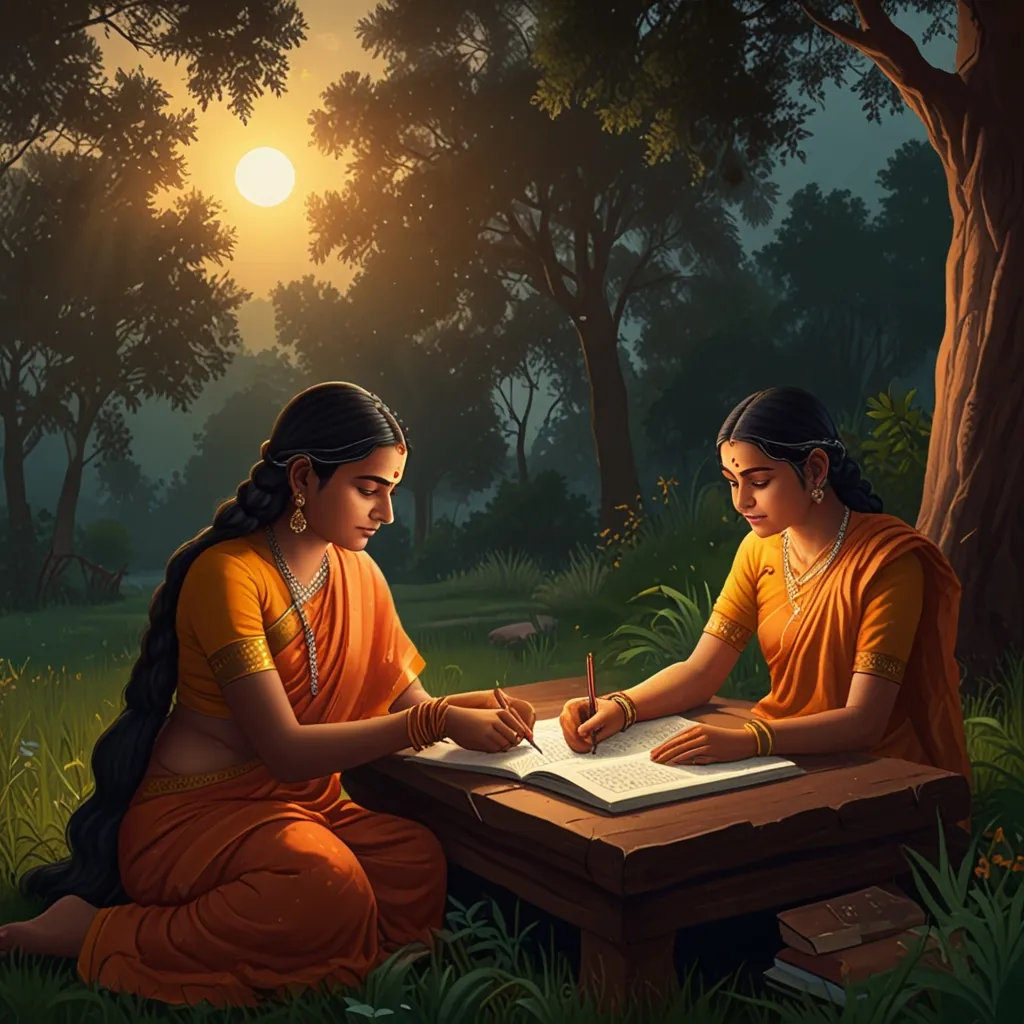
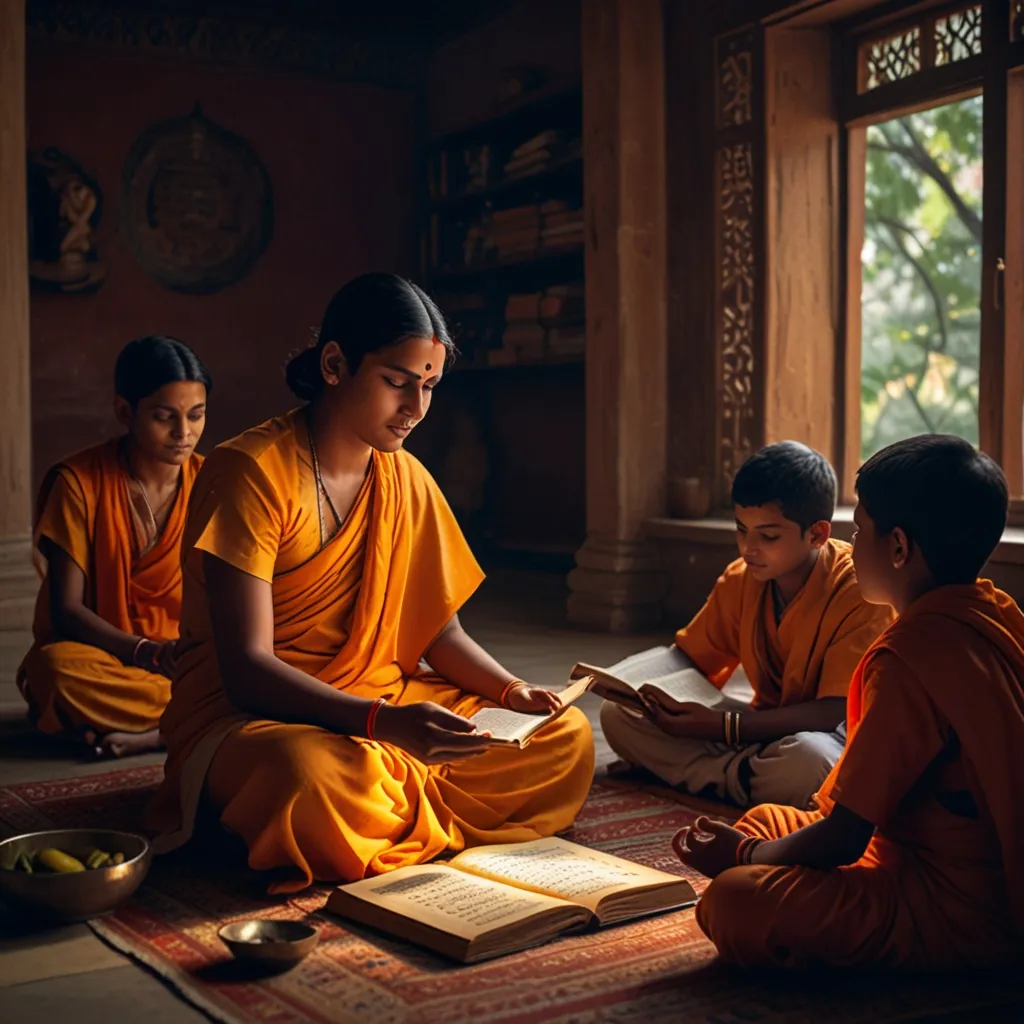
Learning the Vedas was a rigorous process, usually happening in specialized schools called Gurukul. Here, students learned directly from teachers, absorbing the texts through strict methods of listening and repeating. To ensure nothing was missed, the texts were recited in various ways. For example, the Rigveda, the oldest of the four Vedas, has 1,028 hymns and 10,600 verses. Each hymn was recited multiple times in different styles to cross-check accuracy.
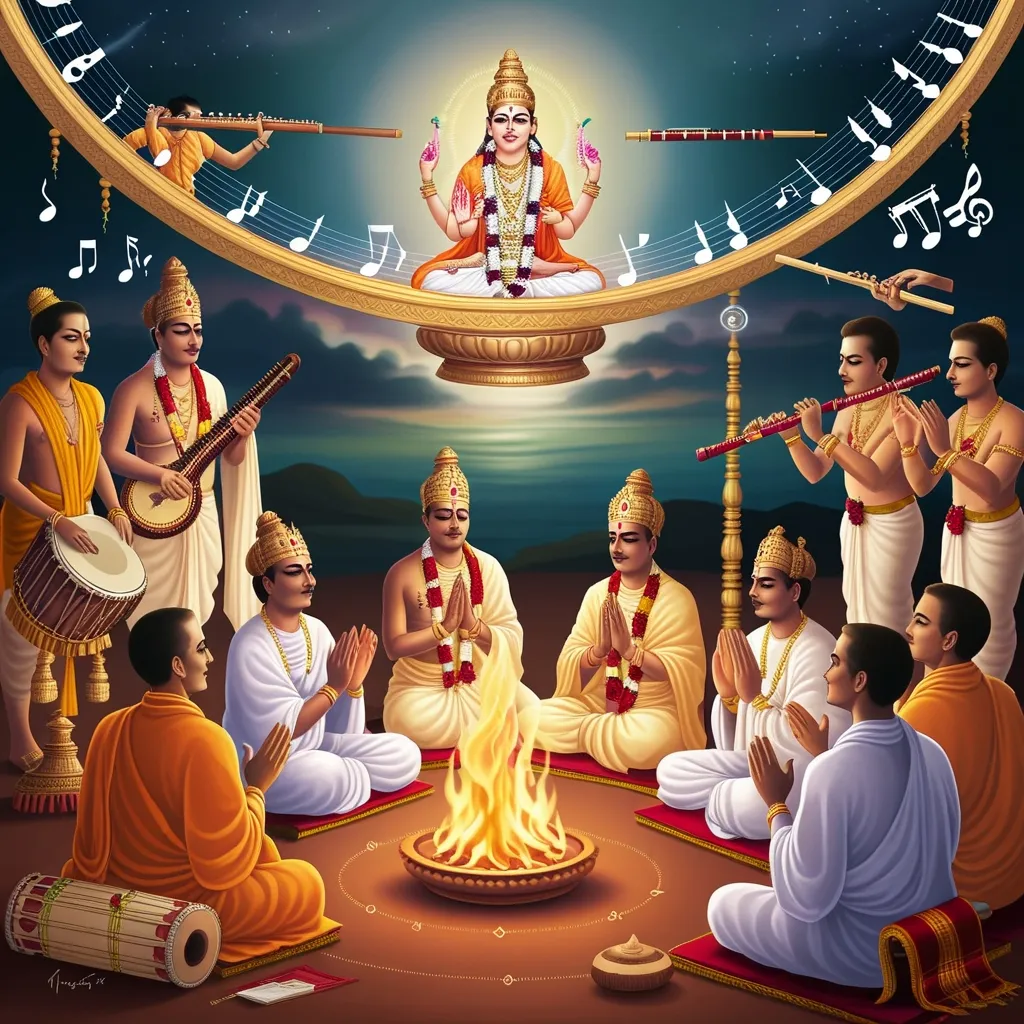
There were eleven recitation styles, known as pathas, like continuous recitation (samhitapatha) and word-by-word recitation (padapatha). The most challenging style, ghanapatha, involved reciting the text in patterns that covered every possible word combination. This wasn’t just about getting the words right; it was also about preserving the melodies and tonal nuances, which were believed to hold spiritual power.
Transmission of the Vedas also involved a tradition called sampradaya, where knowledge was passed down from teacher to student. This living tradition ensured that correct pronunciation and deeper meanings were preserved. Even after the texts were written, the oral tradition was considered the gold standard, holding the true essence of the Vedas.
To further aid in memorization, ancient Indians developed brilliant mnemonic techniques. These included using the alphabet as a memory aid, synchronizing physical movements with sounds, and visualizing hand gestures or mudras to represent different sounds. These methods layered on extra levels of precision, reducing the likelihood of errors.
Moreover, ancient Indian culture had a strong focus on memory, not just for religious texts but for all kinds of knowledge. Being able to recall and recite large volumes of information was a highly respected skill.
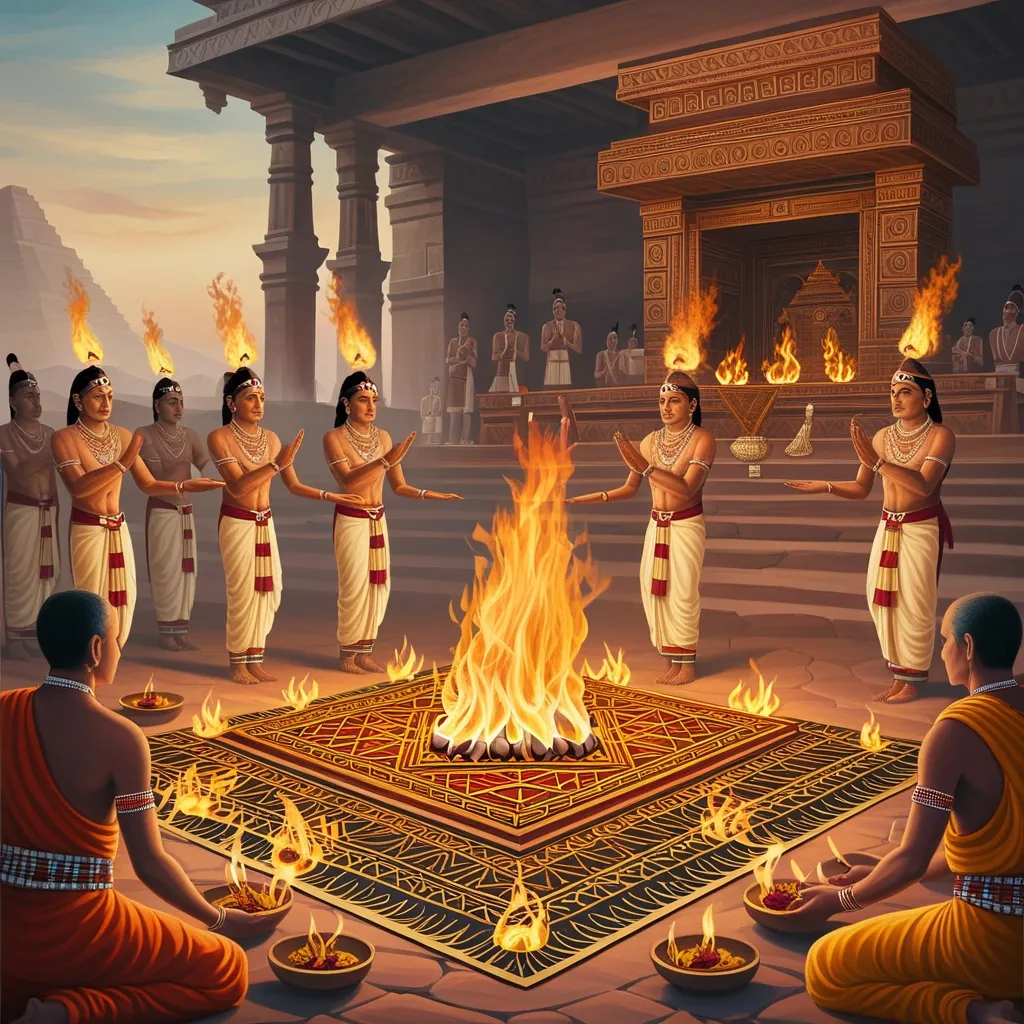
Each of the four Vedas has its unique aspects. The Rigveda is full of hymns about mythology and gods. The Samaveda focuses on public worship. The Yajurveda contains instructions for rituals, and the Atharvaveda has spells and incantations.
Despite the oral nature of their transmission, the Vedas have been remarkably well-preserved. The various recitation styles and mnemonic techniques ensured their accuracy, while the living tradition of sampradaya maintained their pronunciation and meaning.
In essence, the preservation and transmission of the Vedas highlight the ingenuity and devotion of ancient Indian scholars. Through meticulous recitation techniques, advanced memory aids, and a culture that revered intellectual prowess, these sacred texts survived the test of time. Today, they remain a cornerstone of Hinduism, offering timeless insights into the universe and the divine.