Cosmic Order and Human Ethics: Understanding Rta in Vedic Philosophy
Discover the ancient Vedic concept of Rta, the cosmic order connecting natural laws with human ethics. Learn how this foundational principle shaped dharma and karma, and find wisdom for today's environmental challenges. Explore cosmic harmony now.
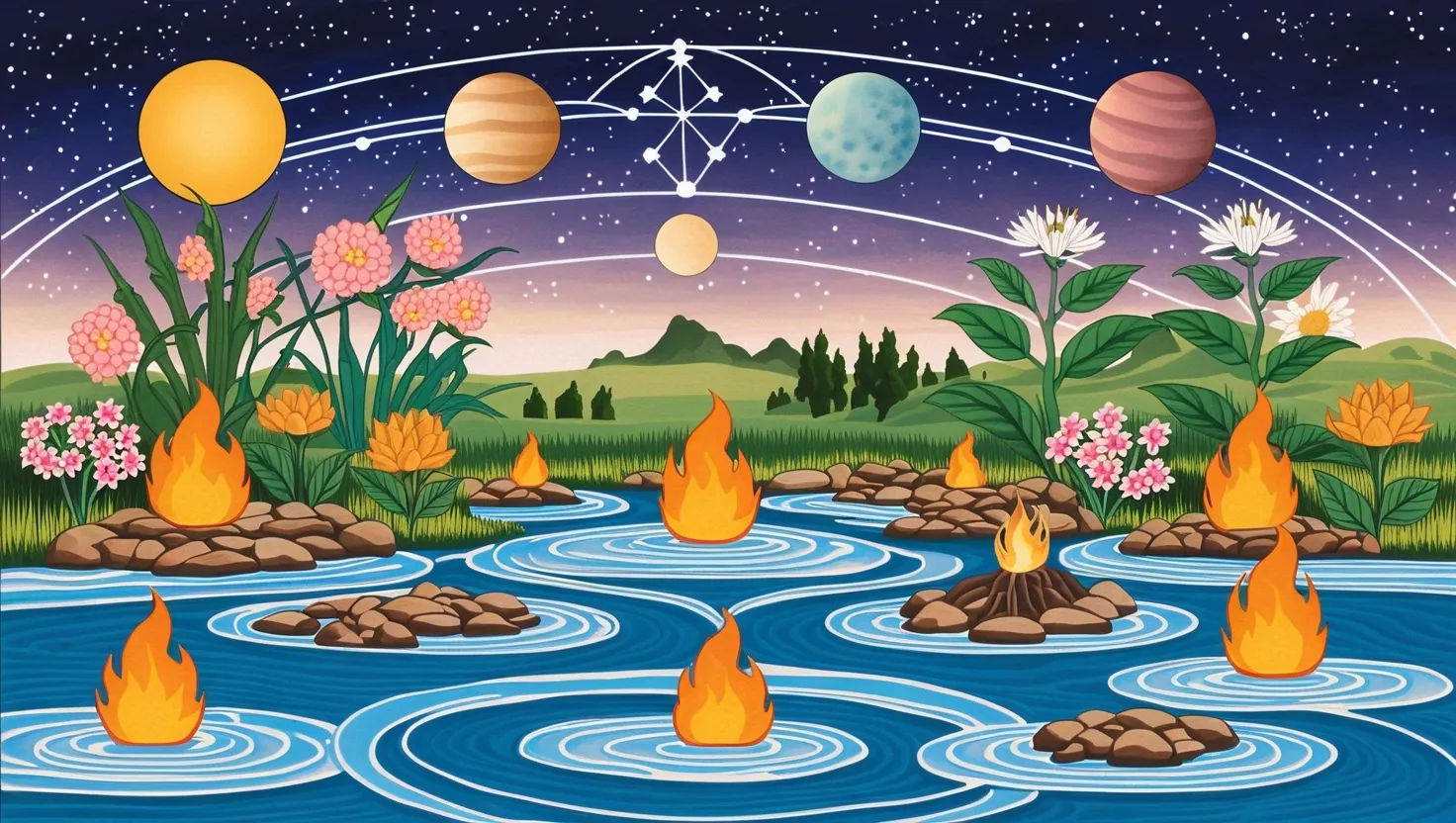
As I delve into the Vedic concept of Rta, I find myself pondering the intricate web of cosmic order and human ethics. Rta is more than just a philosophical idea; it’s a lived experience that resonates deeply within the heart of Vedic wisdom. It signifies the inherent laws and patterns that govern our universe, from the cycles of nature to the movements of the stars.
In the Rigveda, Rta is often described as the force that maintains the balance of the universe. It is the unseen order behind all creation, maintenance, and destruction. This concept predates many similar ideas in other philosophical traditions by centuries, making it one of the earliest articulations of universal order.
The ethical dimension of Rta is fascinating. It connects natural order with human behavior, portraying moral actions as those that align with cosmic harmony. Immoral conduct, on the other hand, represents a deviation from this order. This creates a profound ethical framework where human responsibility stems from participation in universal patterns rather than arbitrary rules.
As the great sage, “The universe is not only stranger than we think, it is stranger than we can think.” This quote by Albert Einstein echoes the mysterious nature of Rta, highlighting how our understanding of cosmic order is both profound and limited.
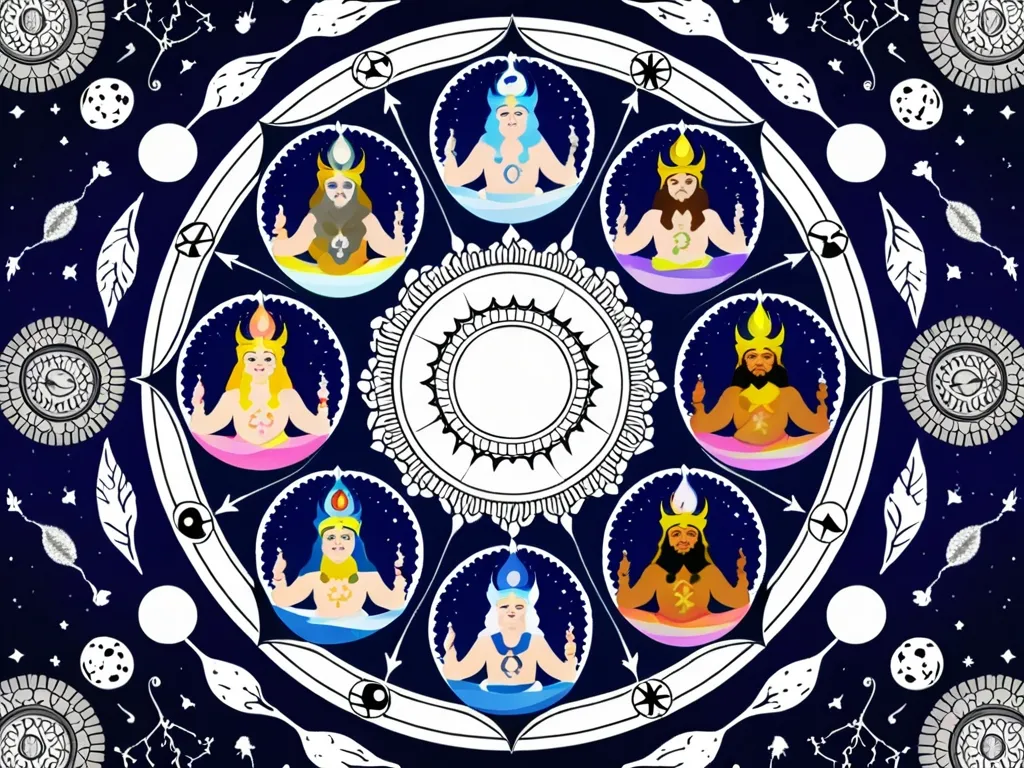
The guardians of Rta, Varuna and Mitra, serve as divine enforcers who observe human conduct and ensure cosmic justice. Their omniscience means no violation of Rta escapes notice, establishing accountability for actions. This divine oversight underscores the importance of adhering to cosmic principles.
The practical application of Rta is seen in daily rituals, particularly in Yajna, or fire sacrifice. Through precise ritual actions, practitioners help sustain the balance between natural and divine realms. This participation in cosmic order is a testament to the interconnectedness of human and natural systems.
Can we truly separate our ethical behavior from our integration with natural systems? The concept of Rta challenges us to consider how our actions impact the world around us and the universe at large. It suggests that human ethics are not isolated from natural patterns and universal principles.
As we explore the evolution of Rta into later Hindu principles, we see how Dharma and karma developed from this foundational concept. Dharma became the specialized application of Rta to human society, while karma emerged from the understanding that actions contradicting cosmic order create consequences.
The idea of Rta offers profound insights into the relationship between natural patterns and ethical behavior. It prompts us to ask: What does it mean to live in harmony with the natural world? How can we align our actions with the cosmic order?
In the words of “The clearest way into the Universe is through a forest wilderness.” This quote by John Muir highlights the beauty of nature as a reflection of Rta’s harmony. It encourages us to explore and understand the intricate balance of the universe and our place within it.
Today, as we face numerous environmental and ethical challenges, the concept of Rta reminds us of the interconnectedness of all things. It invites us to reflect on our responsibilities as guardians of the Earth and participants in the cosmic order. By embracing this perspective, we can foster a deeper understanding of our role within the universe and strive to live in harmony with its inherent laws.
As I reflect on Rta, I am reminded of the need to reintegrate our lives with the natural world. It is a call to action, urging us to consider how our daily choices impact the cosmic balance. The question remains: How can we ensure our actions align with the cosmic order, and what does this mean for our future?