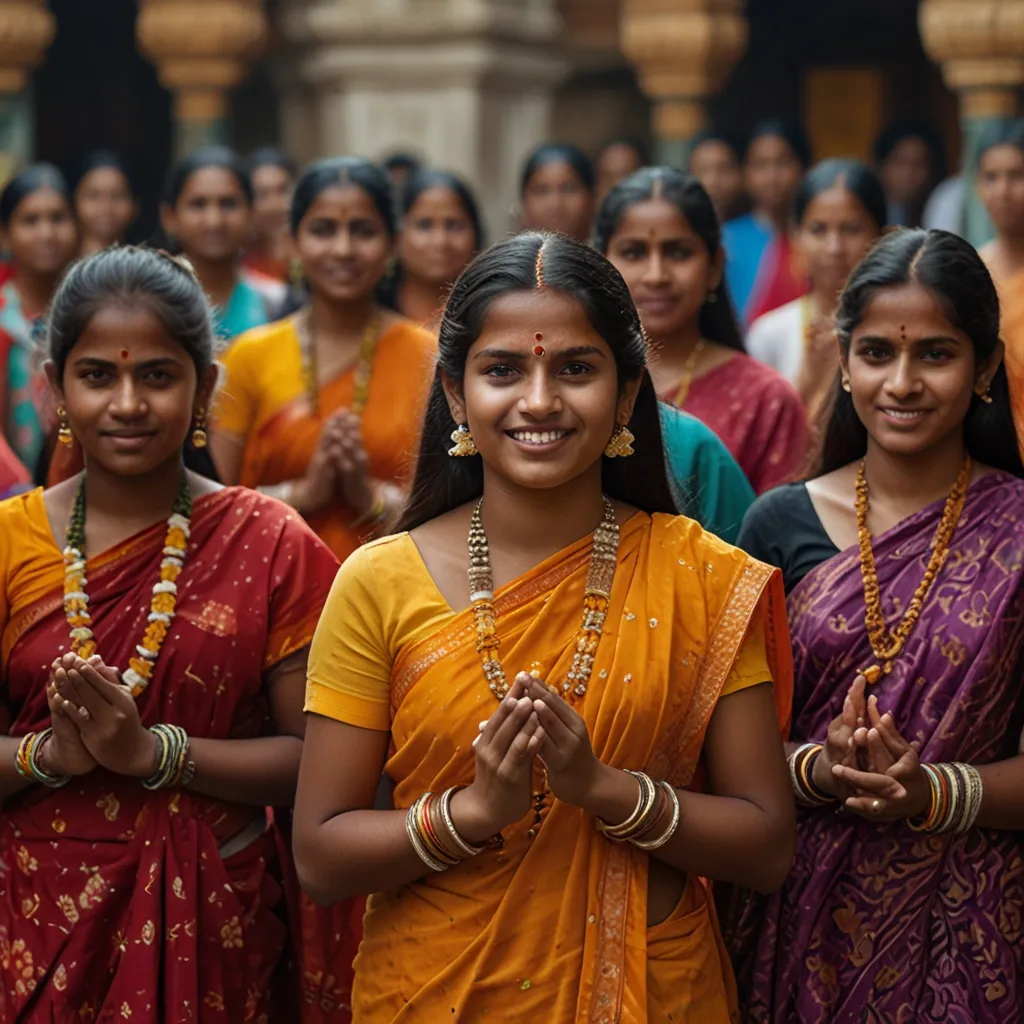
Can Learning Sanskrit Reveal the Secrets of the Ancient Gods?
Discover Timeless Wisdom and Mystical Treasures Through the Unchanged Language of Sanskrit
Sanskrit, often dubbed the “language of the gods,” holds a monumental place in Hinduism and other eastern spiritual endeavors. It’s not just an old-school way of talking; it’s like a magical key that unlocks the deepest spiritual and philosophical treasures of ancient Indian classics like the Vedas, the Upanishads, and more.
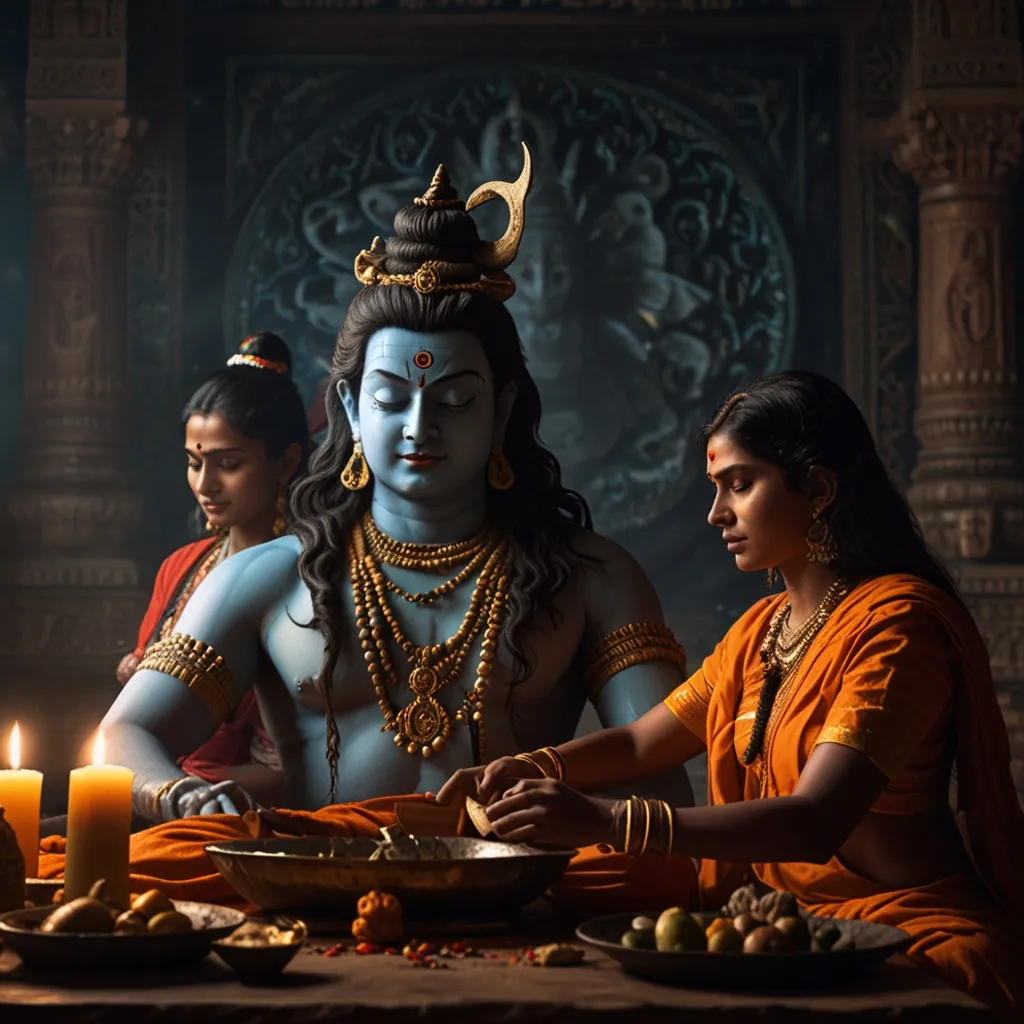
So, where did this mystical language come from? Sanskrit’s story begins over 3,500 years ago, with its earliest roots traced back to the Rig Veda, the oldest section of the Vedas. What sets Sanskrit apart is that while many languages evolve from the human imagination and culture, Sanskrit is believed to have divine origins. Yep, you read that right—divine. Ancient sages or “rishis” didn’t create the Vedas; they discovered them, like picking up a divine radio frequency. The name “Sanskrit” itself means “elegant, refined, flawless, perfect,” deriving from the word “samskritam.” It’s also called “devavani” or “girvani,” meaning “language of the gods.” There’s even a legend about Lord Shiva, whose cosmic dance supposedly gave birth to the letters of the Sanskrit alphabet.
Over time, Sanskrit has evolved, much like everything else in this world. It originated from Proto-Indo-European languages and initially appeared as Vedic Sanskrit. This version was used to compile the Vedas between 1500 and 500 BCE and was preserved orally—think of it as an ancient podcast—long before writing stuff down became a thing in India. Come around 500 BCE, Vedic Sanskrit transformed into Classical Sanskrit, thanks to the meticulous work of scholar Panini. His text, the Astadhyayi, laid down almost 4,000 rules about the language’s syntax, semantics, and morphology, making Vedic Sanskrit evolve into a more organized Classical Sanskrit.
In Hinduism and beyond, Sanskrit is the go-to language for religious scriptures, including the Vedas, Upanishads, and Bhagavad Gita. It also appears in Buddhist and Jain texts, acting as a shared thread in these spiritual traditions. Attend any Hindu ritual, whether it’s a wedding, a naming ceremony, or even a funeral, and you’re likely to hear Sanskrit chanted. Major festivals like Durga Puja? Yep, those involve reciting entire Sanskrit texts. It’s not just a language; it’s woven into the fabric of religious practices.
Sanskrit literature is like a bottomless treasure chest filled with epics, dramas, and philosophical texts. Ever heard of the Ramayana or the Mahabharata? These legendary works are written in Sanskrit. Dramatists like Kalidasa and Bhasa made significant contributions with their Shakespearean-level dramas, and texts like the Yoga-Sutras of Patanjali still guide modern-day yogis. Sanskrit’s influence isn’t confined to India; its fables and fairy tales have crossed borders, inspiring Persian and Arabic literature and even making an appearance in the famous “One Thousand and One Nights.”
Despite being ancient, Sanskrit hasn’t retired. It’s still very much alive in Hindu temples and Buddhist monasteries for liturgical purposes. Many Indian households and public gatherings still recite Sanskrit texts like the Bhagavad Gita. Think of learning Sanskrit as gaining a ticket to ancient wisdom and the profound thoughts of the Vedic tradition. Because of its precise vocabulary and grammatical structure, it continues to exist as a model for linguists and scholars worldwide.
Don’t be intimidated by the idea of learning Sanskrit. With a good teacher and a bit of self-study, you can master the basics—including reading, writing, and speaking the Sanskrit alphabet—in just a few weeks. The Devanagari script, commonly used for Sanskrit, is the same script you’d need to know for Hindi. Transliteration with diacritical marks is also a valid method for those who find Devanagari challenging.
But Sanskrit isn’t just about mastering a language; it’s like opening a window into ancient Indian culture and philosophy. It holds the secrets of the Vedic mind and has been a vessel for preserving knowledge about mundane sciences and esoteric philosophies. Learning Sanskrit is like unlocking a deeper connection to the sacred syllables and texts that have been life-changing for so many. It’s almost magical how this language has remained virtually unchanged since Vedic times, making it a unique time capsule of human heritage.
Sanskrit’s importance goes beyond being just a sacred language. It’s like a bridge, connecting the past to the present, linking us with the sophisticated spiritual and philosophical insights of ancient India. Whether you’re interested in Hinduism, Buddhism, Jainism or just fascinated by the roots of Eastern spirituality, diving into Sanskrit can be incredibly rewarding. It’s a language that continues to inspire and enrich lives, offering a glimpse into a world filled with timeless wisdom and elegance.


![Pancha Mahabhuta: Ancient Vedic Elements Meet Modern Science [Complete Guide]](/images/08029f8b-fc19-49cb-8260-c83f8fe90456.webp)