What Secrets Does Kalabhairava Hold About Time, Karma, and Liberation?
In Kashi’s Shadows, Kalabhairava Roams as Time’s Guardian and Liberator
In the vast mosaic of Hindu mythology, one story stands out about a particularly fearsome but revered avatar of Lord Shiva—Kalabhairava. This isn’t just any myth; it’s a profound dive into the essence of time, karma, and the ultimate journey towards liberation.
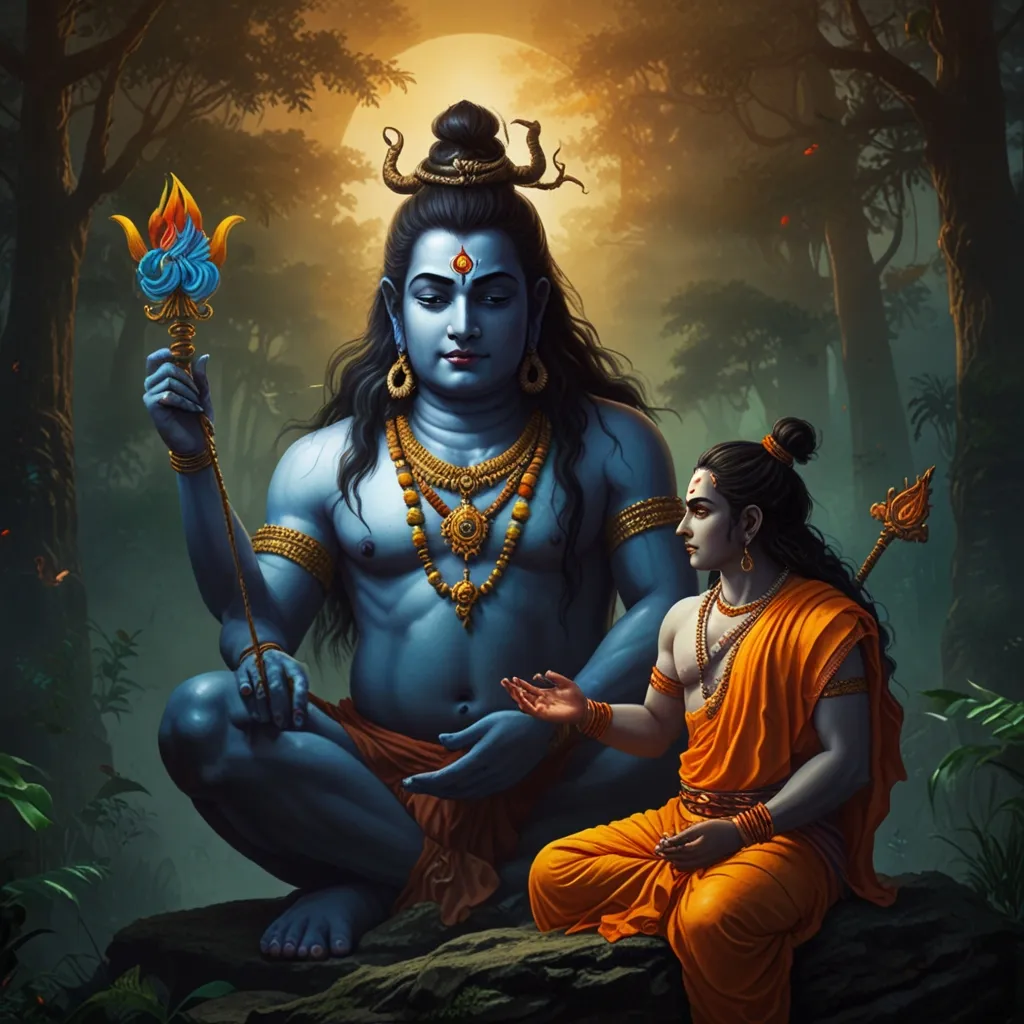
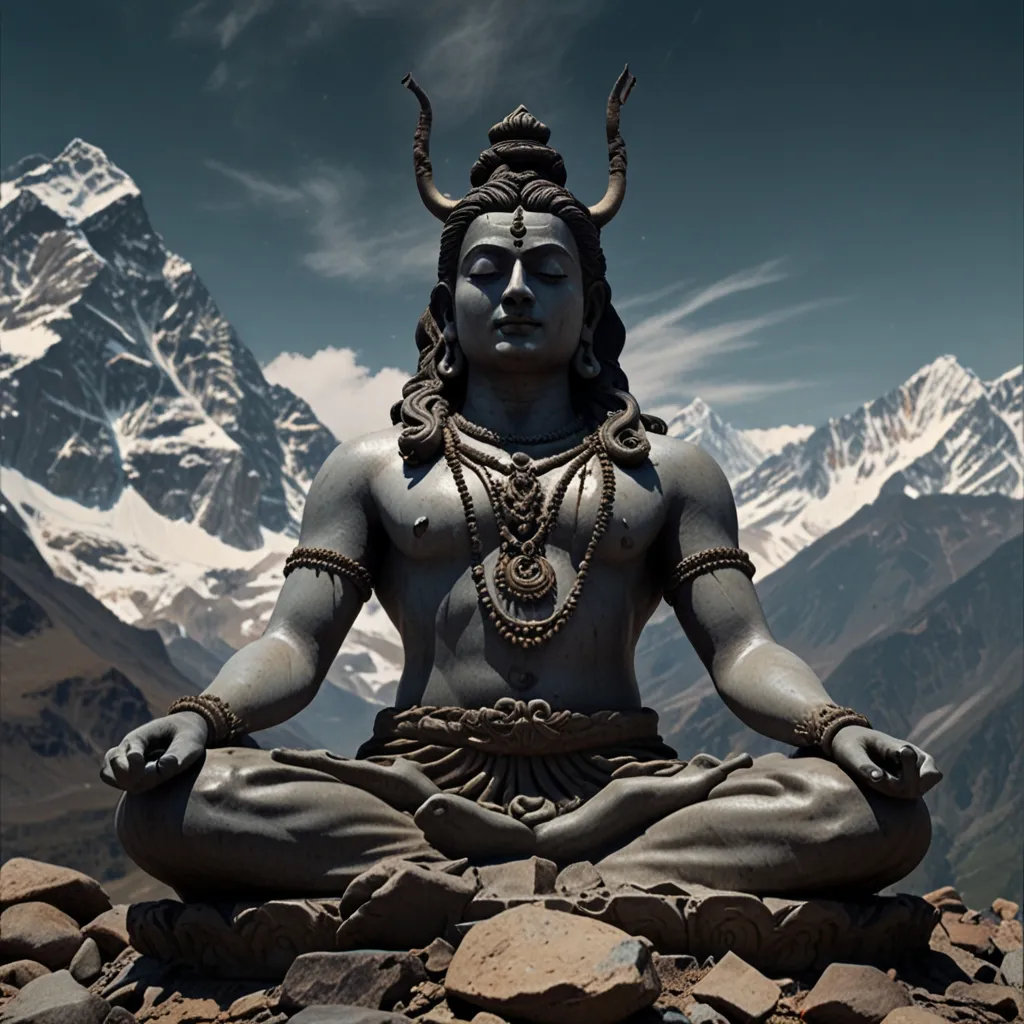
Shiva, often dubbed the destroyer in the Hindu trinity, is known for his multifaceted nature. Among his many incarnations, Kalabhairava takes the spotlight as a truly intriguing figure. Break down the name “Kalabhairava” into “Kala” (time) and “Bhairava” (the terrible or fearsome), and you’ll grasp the avatar’s association with the destructive power of time.
Picture this: the story unfolds in Kashi, one of Hinduism’s holiest cities, known also as Varanasi. It’s here in this ancient city—where spiritual and material realms nearly touch—that Shiva, as Kalabhairava, is said to roam. Imagine a fearsome protector pacing through the dimly-lit streets, a silent guardian ensuring the city’s purity and the swift deliverer of justice.
Kalabhairava is not merely a protector but also a punisher. In the legend, he dispenses justice intensely and immediately. Known for Bhairavi Yatana—a process involving momentary but excruciating suffering—Kalabhairava encapsulates the misery of countless lifetimes into a single, soul-wracking moment. Yet, this intense experience is a gateway to liberation.
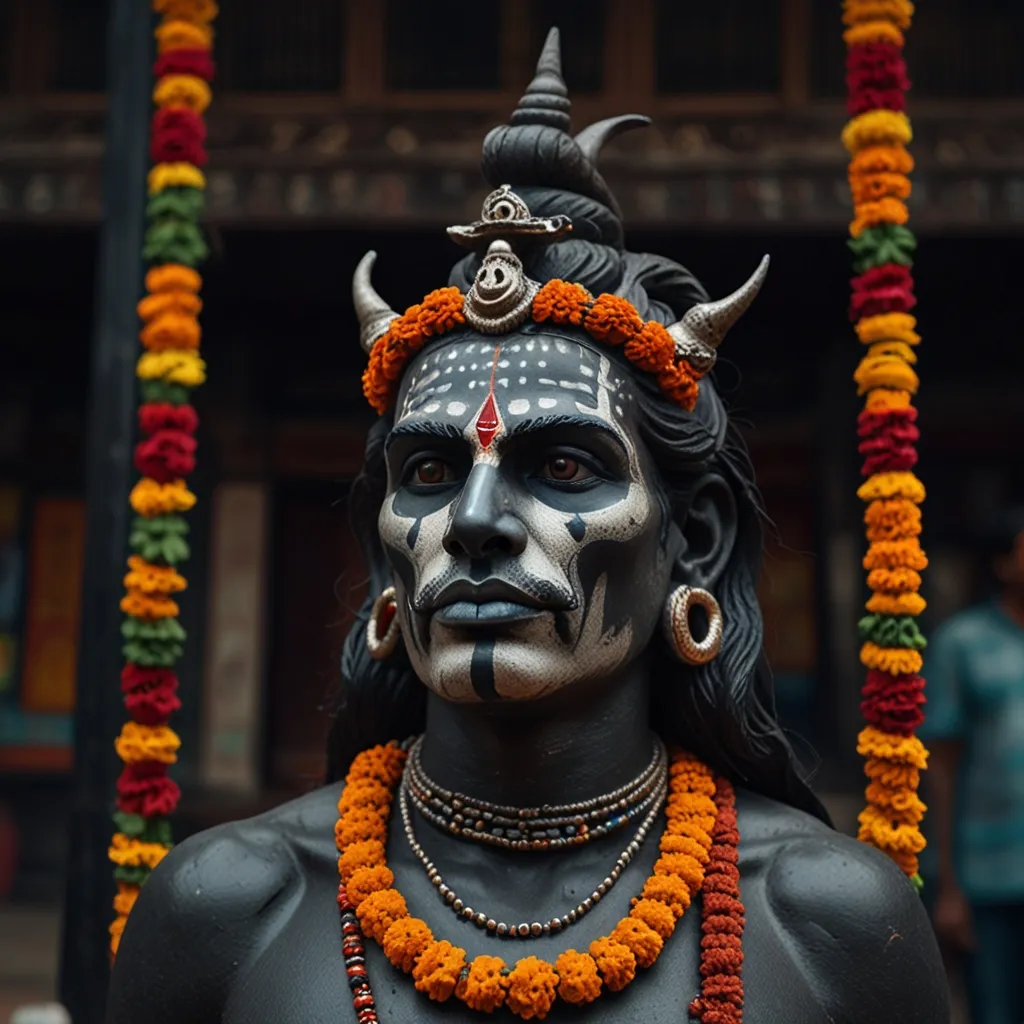
Visualize Kalabhairava; a tall, dark figure with a ferocious expression, moving with a dog by his side. This isn’t just any dog but a symbol of his power and justice. His look is simple yet striking; skull garlands and a serpent around his neck symbolize life and death’s cyclical nature. Rather than inciting fear, this imagery reminds us of our transient existence.
Karma plays a big role in Kalabhairava’s tale. In Hindu mythology, karma—essentially cause and effect—ensures every action has a corresponding consequence. Kalabhairava embodies this principle, making sure every deed is accounted for, and justice always finds its mark. His presence is a stark reminder of time’s relentlessness, urging us to make every moment count.
At night in Kashi, Kalabhairava is believed to wander, seeking wrongdoers. The eerie silence that accompanies him feels as if time itself pauses. Those caught by him endure the Bhairavi Yatana, experiencing both terror and eventual liberation.
But don’t be too quick to judge by his fierce exterior. Kalabhairava is also seen as a liberator. In Hinduism, liberation or mukti is the ultimate goal—a soul’s release from the cycle of birth and death. Through his intense justice, Kalabhairava offers this release. His punishments aren’t eternal but transformative, providing a clean slate free from past burdens.
Kalabhairava’s myth transcends mere storytelling. He symbolizes the nuances of living virtuously. His presence serves as both a caution against wrongdoing and a beacon of hope for those seeking redemption. His severe justice is balanced by the promise of liberation, guiding people towards virtuous living.
Even today, Kalabhairava’s story resonates. In various films and books, he emerges as a formidable yet enigmatic character, embodying Shiva’s dual nature as destroyer and protector. His tale is timeless, reminding us of karma’s enduring principles and the importance of upright living.
The story of Kalabhairava showcases Hindu mythology’s intricate and deep-seated nature. It broaches fundamental existential queries—time, karma, justice, and the path to liberation. Through Kalabhairava, Shiva teaches that time is a potent force, underscoring the value of each fleeting moment. This myth isn’t just an ancient narrative but a profound meditation on human existence, offering insights into our ever-lasting quest for liberation.