Shiva Purana Explained: How Sacred Destruction Myths Reveal Timeless Lessons on Loss, Grief, and Renewal
Discover how Shiva Purana stories reveal destruction as renewal, not failure. Explore Sati, Ganesha, and Nataraja myths for timeless wisdom on loss and growth.
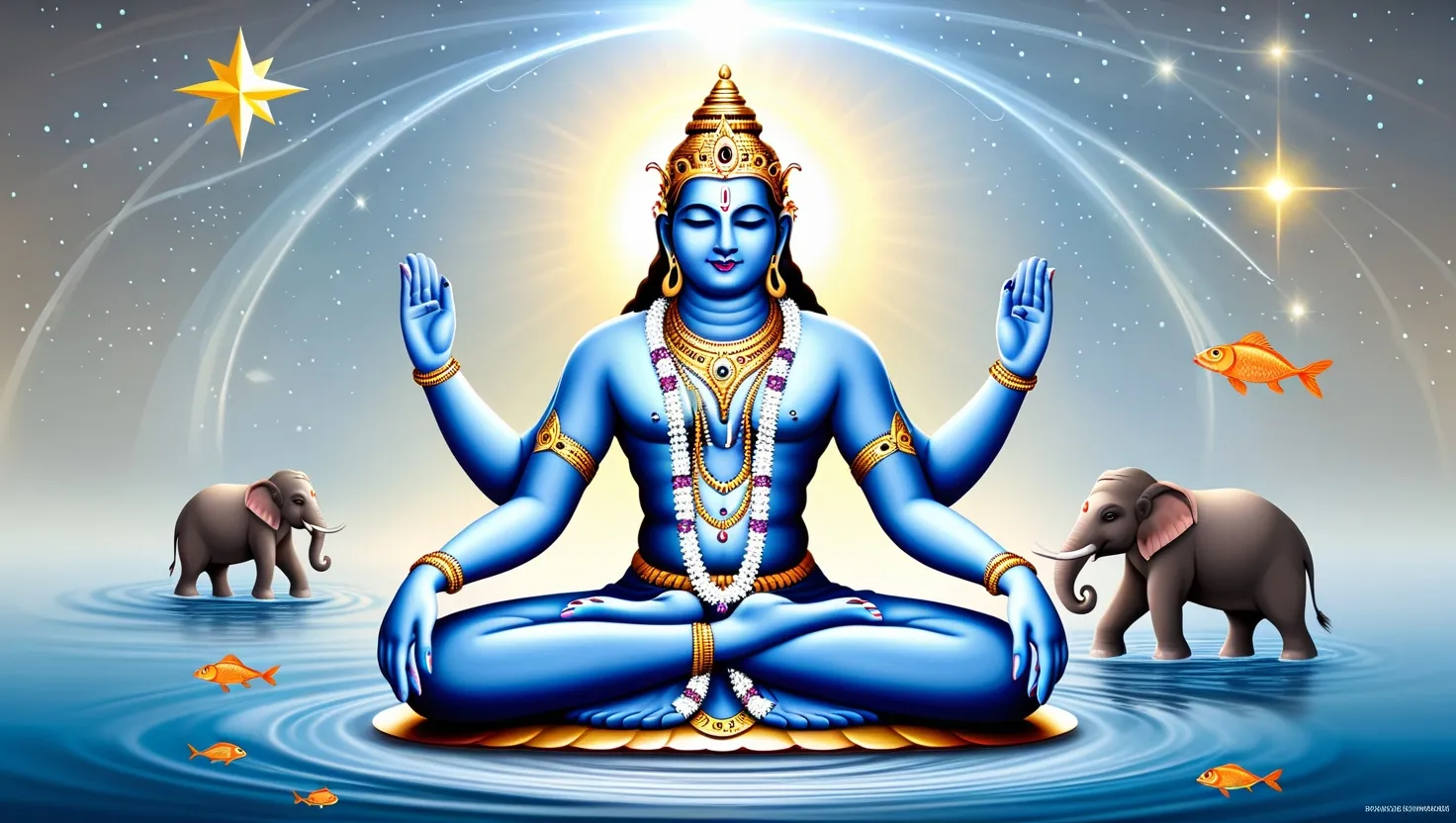
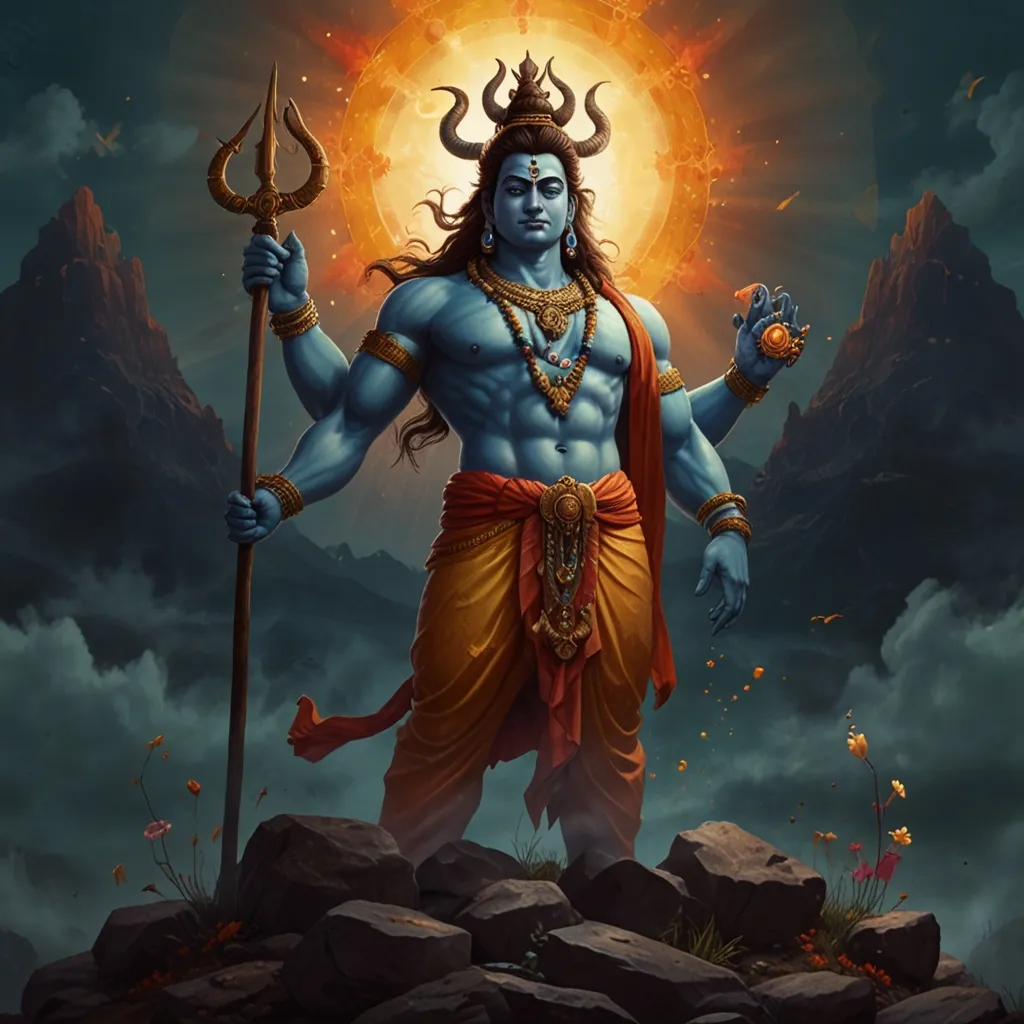
The Shiva Purana opens with a strange question. A group of sages, tired and searching, ask how the universe manages to survive its own endings. Not how it began. How it survives dying, again and again, without disappearing forever. The answer they get is Shiva. Not Shiva as an angry destroyer swinging a weapon in fury, but Shiva as something closer to a gardener who prunes dead branches so the tree can grow again. That single shift in understanding changes everything about how this text treats loss.
Most people hear the word “destruction” and think of something going wrong. Something breaking that shouldn’t have broken. But the Purana refuses that reading. It insists that destruction is not a mistake in the system. It is the system. Nothing new can enter a space that is already full. So before creation happens again, something has to clear the ground. Have you ever noticed how you can’t start a new project properly while the old one is still cluttering your desk?
Let me walk you through the story of Sati and Daksha first, because it shows how pride literally burns down its own house. Daksha, a proud king, throws a massive sacrifice and deliberately leaves out Shiva, his own son-in-law, as an insult. Sati, who is married to Shiva, decides to go anyway, hoping to fix things. Instead she is humiliated in front of everyone. Unable to carry that shame, she sits down and burns herself using her own yogic power. When Shiva hears of this, his grief is not a quiet, private sadness. It shakes the whole universe. He tears apart the sacrifice itself and disappears from the world for a long time.
“Where there is no respect, even sacred fire turns to ash.”
But here’s the interesting twist. The story does not stop at the funeral pyre. Sati is reborn as Parvati, and eventually finds her way back to Shiva. Their bond is restored, just in a different body, a different life. What does that tell us? Arrogance destroys relationships fast. But devotion, real devotion, is patient enough to rebuild something across lifetimes if it has to. Would you have that kind of patience?
The next story is about Kamadeva, the god of desire, and honestly, it’s one of my favorites because it draws such a clean line between lust and love. The gods are worried. Shiva is deep in meditation, ignoring the world, and they need him to notice Parvati so balance can return to the universe. So they send Kama, armed with his flower arrow, to shoot Shiva and stir up attraction. Kama does his job. Shiva wakes up, alright, but not in the way anyone expected. He opens his third eye, and Kama is reduced to ash on the spot.
Rati, Kama’s wife, is left grieving, and the whole world suddenly feels flat without desire pulling things together. But like Sati, Kama doesn’t stay gone. He’s eventually reborn. The point here isn’t that desire is evil. It’s that desire alone cannot force divine love into existence. Something in us, some grasping, controlling urge, has to burn away first. Only then can real connection happen instead of forced attraction. Isn’t it strange how the things we chase hardest sometimes need to disappear before we get them?
Then there’s Ganesha’s birth, which starts as an accident of violence and ends as one of the most beloved stories in the whole tradition. Parvati, wanting some privacy while bathing, creates a son out of the turmeric paste on her own body and tells him to guard the door. Shiva comes home, finds this boy blocking his way, and in the confusion, cuts off his head. When Parvati sees what happened, her grief is so intense it threatens to unravel everything. Shiva, realizing the weight of what he’s done, sends his attendants out to find a head to replace it. They come back with an elephant’s head, and the boy is restored to life, given the name Ganesha, and made the lord who removes obstacles.
“He who survives the worst blow becomes the remover of every other.”
This story doesn’t try to hide how messy and painful the mistake was. It doesn’t pretend Shiva didn’t do something terrible. Instead, it shows that even the worst kind of destruction can be turned into something meaningful. Ganesha isn’t given his role despite the tragedy. He’s given it because of the tragedy. Have you ever thought about how your own worst moments might have shaped what you’re actually good at now?
Now here’s a story that speaks directly to anyone carrying responsibility, whether as a parent, a leader, or just someone holding a family together. During the churning of the ocean, the gods and demons are working together to extract the nectar of immortality. But before the nectar appears, something else comes up first: halahala, a poison so deadly it threatens to destroy everything, gods and demons alike. Nobody knows what to do with it. Shiva steps in and drinks it.
He doesn’t swallow it completely, though, because that would kill him. He doesn’t spit it back out either, because that would poison the world. He holds it, right there in his throat, and it turns blue permanently. That’s how he gets the name Neelakantha, the blue-throated one.
“Some poisons are not meant to be destroyed, only held so they cannot spread.”
Think about what this means practically. Not every danger can be eliminated. Sometimes the only responsible thing to do is contain it, carry it yourself, and refuse to pass it down to others. Isn’t that what good parents do with their own pain? Isn’t that what good leaders do with bad news?
The story of the linga of light is a bit different because it’s less about grief and more about humility. Brahma and Vishnu get into an argument about who is superior. Shiva appears as an endless pillar of fire between them and challenges them to find either end of it. Vishnu turns into a boar and digs down. Brahma turns into a swan and flies up. Neither finds the end. Vishnu admits his failure honestly. But Brahma, unwilling to lose, lies and claims he found the top.
Shiva sees through the lie instantly and declares that Brahma will never be worshipped the way Vishnu and Shiva are. Even a creator god isn’t spared consequences for pride. What strikes me here is how the story destroys certainty itself. It tells us that no one, not even the highest beings, gets to claim they’ve measured the divine completely. Doesn’t that sound like a useful reminder for anyone who thinks they’ve got it all figured out?
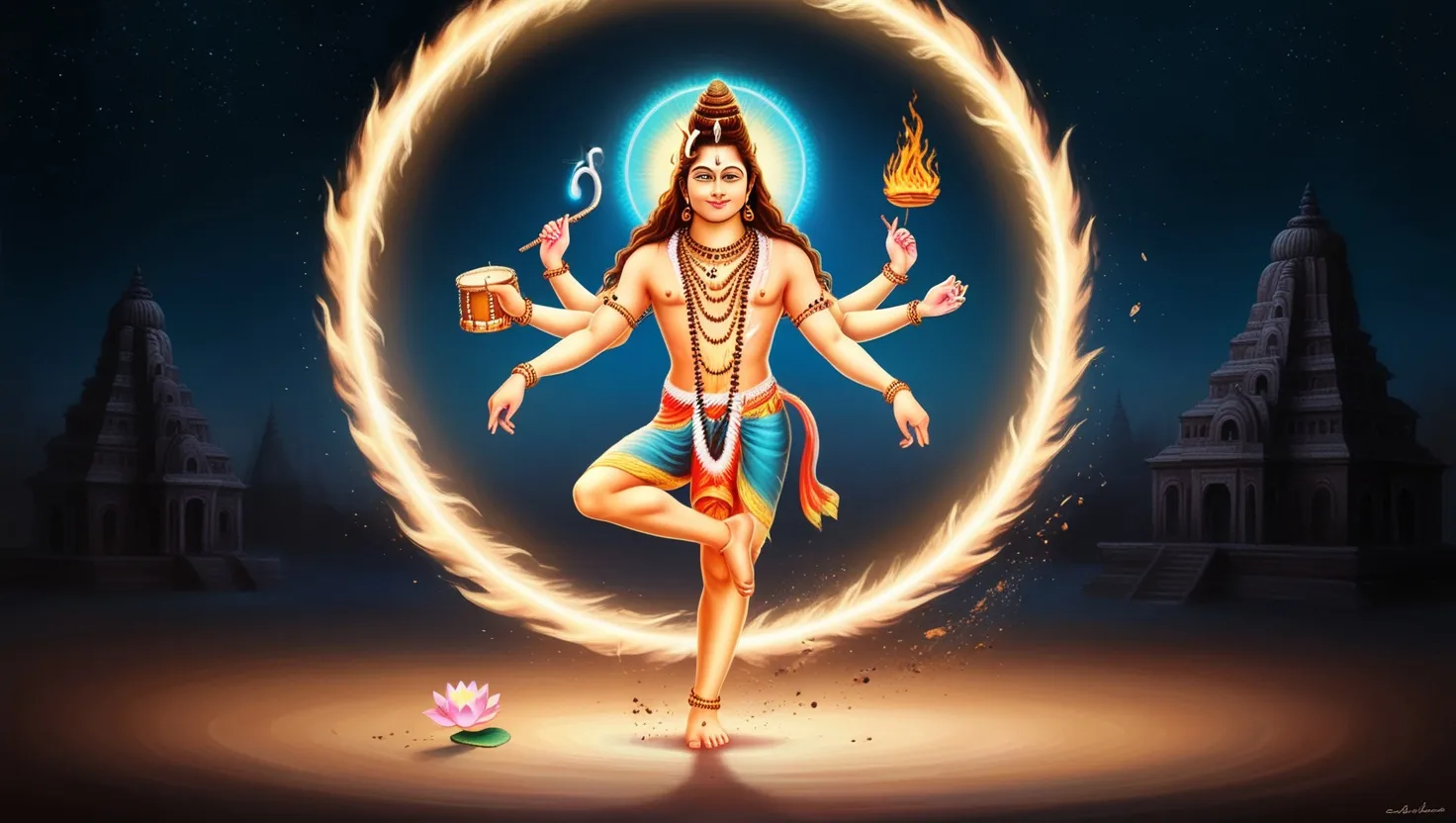
Finally, there’s Nataraja, Shiva as the cosmic dancer, probably the most recognizable image from this entire tradition. One hand holds a small drum representing creation. Another hand carries fire representing destruction. A third hand is raised, offering protection. His foot presses down on a demon representing ignorance, while the other foot is lifted in motion.
This image isn’t chaos frozen into bronze. It’s rhythm. Creation, preservation, and destruction aren’t three separate events happening one after another. They’re happening together, constantly, in a pattern too large for any of us to fully see from where we stand. Temples in South India have kept this image alive for centuries, and sculptors have spent lifetimes trying to get the balance of the pose exactly right.
“In the dance of destruction, an ending is only a change of step.”
So what do we actually take from all this? The Shiva Purana never once treats destruction as failure. Pride collapses relationships, but devotion rebuilds them. Desire has to be burned before love can be real. Mistakes, even violent ones, can turn into purpose. Some poisons must be held rather than passed on. Certainty itself has to be broken before wisdom can grow. And all of it moves together in a rhythm we can only catch glimpses of, never the whole pattern.
Maybe that’s the real lesson here. Not that endings don’t hurt, because clearly they do, every single story here involves real grief. But that grief isn’t the final word. It’s just one beat in a much longer dance. What ending are you currently sitting with, and what might be trying to grow through the space it left behind?