Is Wisdom Found in Silence? Dive into the Tale of Shiva and the Four Kumaras
Silent Wisdom in the Himalayas: The Eternal Quest for Knowledge with Shiva and the Four Kumaras
In the treasure trove of Hindu mythology, there are countless stories brimming with rich symbolism and timeless lessons. One such captivating tale is that of Shiva and the Four Kumaras, a narrative that delves deep into spirituality, wisdom, and the ceaseless quest for knowledge.
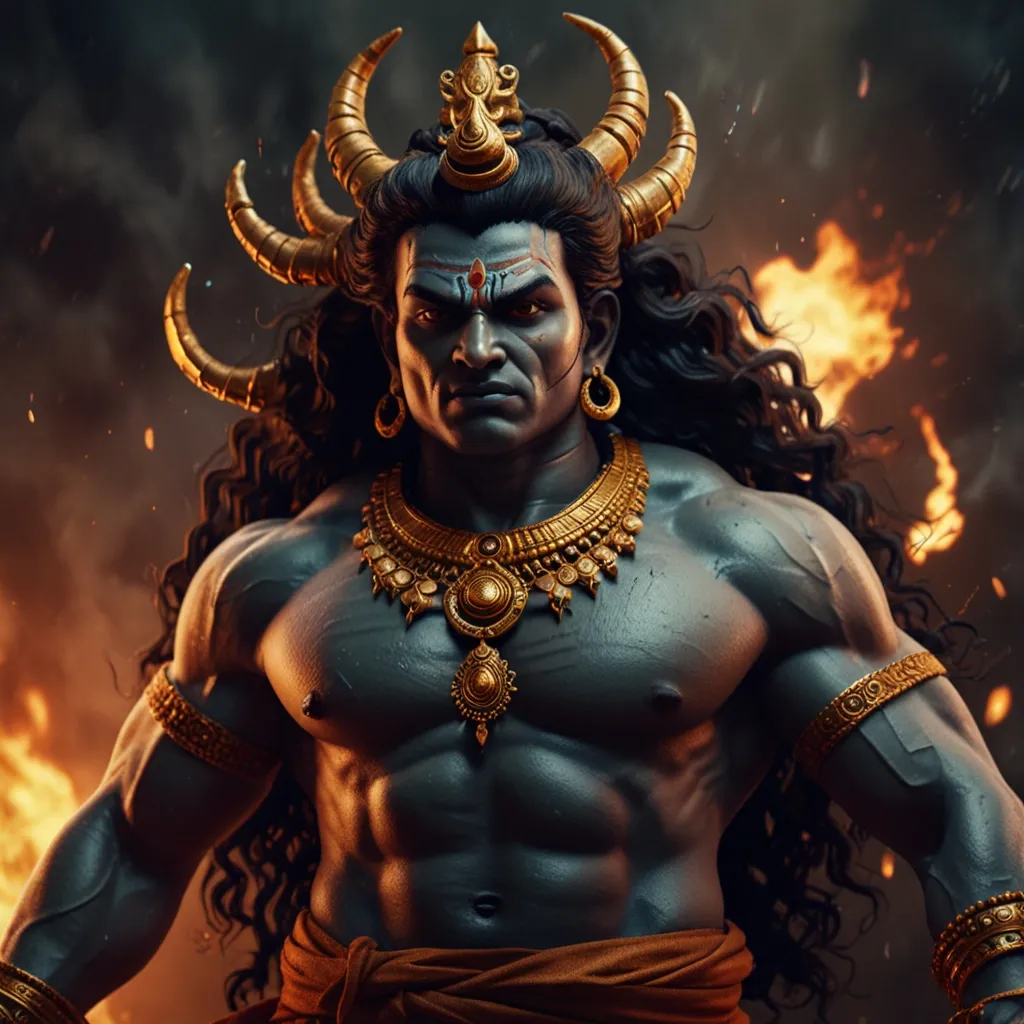
Let’s start with Shiva, an iconic figure often known as the destroyer in the Hindu trinity. Shiva is far from just a one-dimensional destroyer; he embodies both creation and destruction, symbolizing life’s cyclical nature. He’s a multi-faceted deity whose interactions with other divine beings are packed with profound teachings.
Now, meet the Four Kumaras, the wise sages Sanaka, Sanandana, Sanatkumara, and Sanatsujata. They’re considered the sons of Brahma, the creator, and are renowned for their vast wisdom and deep understanding of the cosmos. Despite their youthful appearance, they possess timeless knowledge.
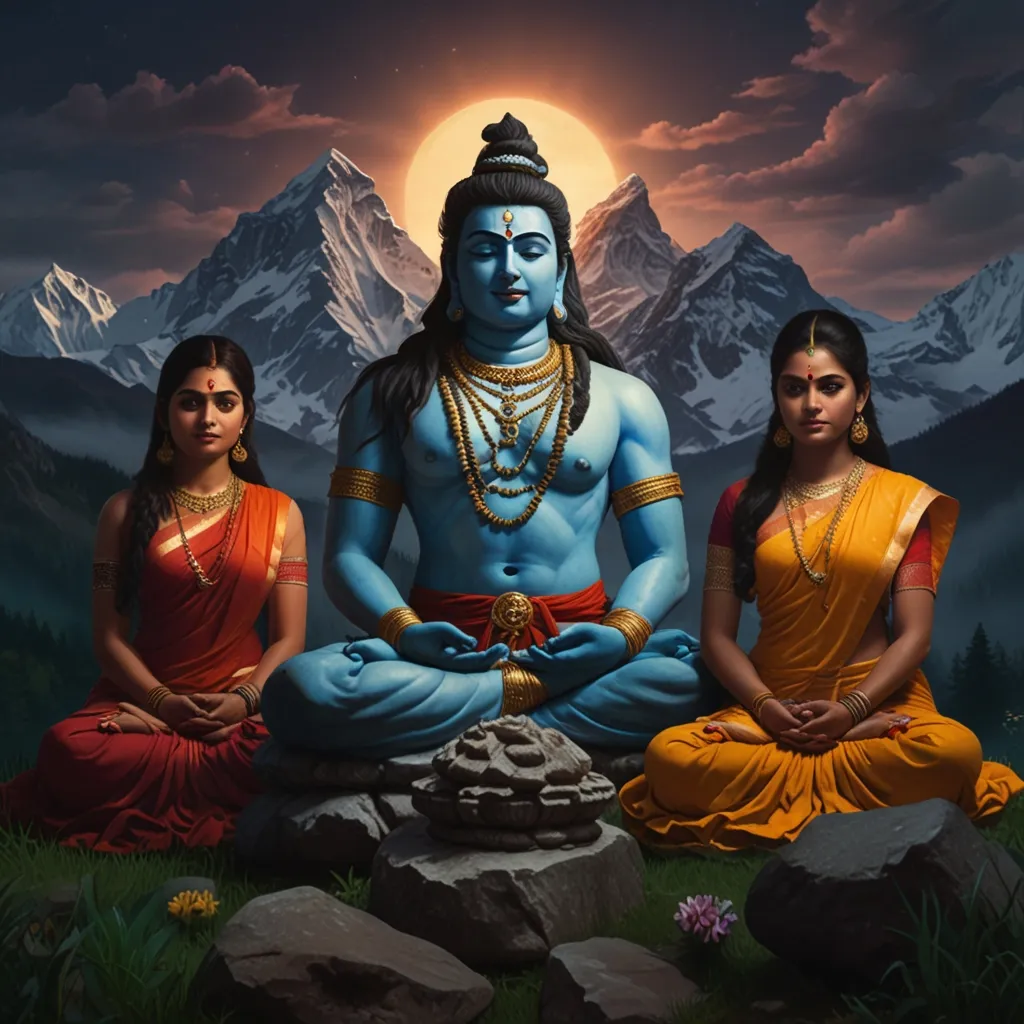
The story kicks off with these four sage brothers on a mission for enlightenment. They decide to visit Shiva, who is deep in meditation somewhere in the serene Himalayas. Upon arrival, they encounter Parvati, Shiva’s consort, guarding the entrance. Parvati, an embodiment of beauty, grace, and feminine wisdom, decides to test their quest’s seriousness and their depth of understanding.
So, the first Kumara, Sanaka, gets quizzed about the nature of the universe. His answer paints the universe as an immense interconnected web, where every action reverberates through the entirety of existence. Parvati, although impressed, ups the ante and asks him about the nature of the self. Sanaka’s stunning response? The self isn’t just a physical body but a divine spark within every being.
Next up, Sanandana faces a question about time. He insightfully describes time as a human-made construct to measure events, but in reality, it’s an illusion. The universe operates on a totally different scale, beyond the confines of human perception. Parvati, pleased with his wisdom, moves to the next brother.
Sanatkumara is then grilled about creation. He waxes poetic about creation as an ongoing cycle of birth, growth, and decay. He likens the universe to an ever-changing tapestry, with every moment birthing a new scene. Parvati, captivated by his insight, finally turns to Sanatsujata.
Sanatsujata discusses destruction. Rather than viewing it as an end, he explains destruction as a fresh beginning. It’s a crucial part of life’s cycle, making way for renewal and rebirth. Parvati, deeply impressed by all four sages, grants them access to Shiva.
When the Kumaras finally meet Shiva, they’re enveloped by a profound silence. Shiva speaks no words but conveys volumes through his mere presence. It hits them like a bolt of lightning: true wisdom isn’t about verbose explanations but understanding the silence between words. They end up spending years in Shiva’s silent company, unraveling the universe’s secrets through his quiet teachings.
The tale of Shiva and the Four Kumaras packs a punch with its rich symbolism, underscoring the power of wisdom and the eternal quest for insight. It’s a reminder that real knowledge transcends words, lying nestled in the silence that connects us all.
Hindu mythology is teeming with such evocative stories. These stories encapsulate the spiritual essence of the culture, passed down through generations, each carrying unique lessons and messages. The narrative of Shiva and the Four Kumaras is a prime example, emphasizing the timeless importance of wisdom, knowledge, and the ongoing journey to unravel the universe’s mysteries.
So the next time you delve into the vast ocean of Hindu mythology, remember the story of Shiva and the Four Kumaras. It’s not just an ancient tale; it’s a narrative that resonates with the timeless quest for knowledge, a pursuit that’s as relevant today as it was eons ago. It’s about finding wisdom in silence, seeing beyond the surface, and recognizing the interconnected web of existence that binds us all.