How Ancient Puranic Stories Shape Modern Hindu Festivals and Cultural Identity
Discover how ancient Puranic stories shape modern Hindu festivals like Holi, Diwali, and Janmashtami. Explore the cultural significance and spiritual meaning behind these vibrant celebrations.
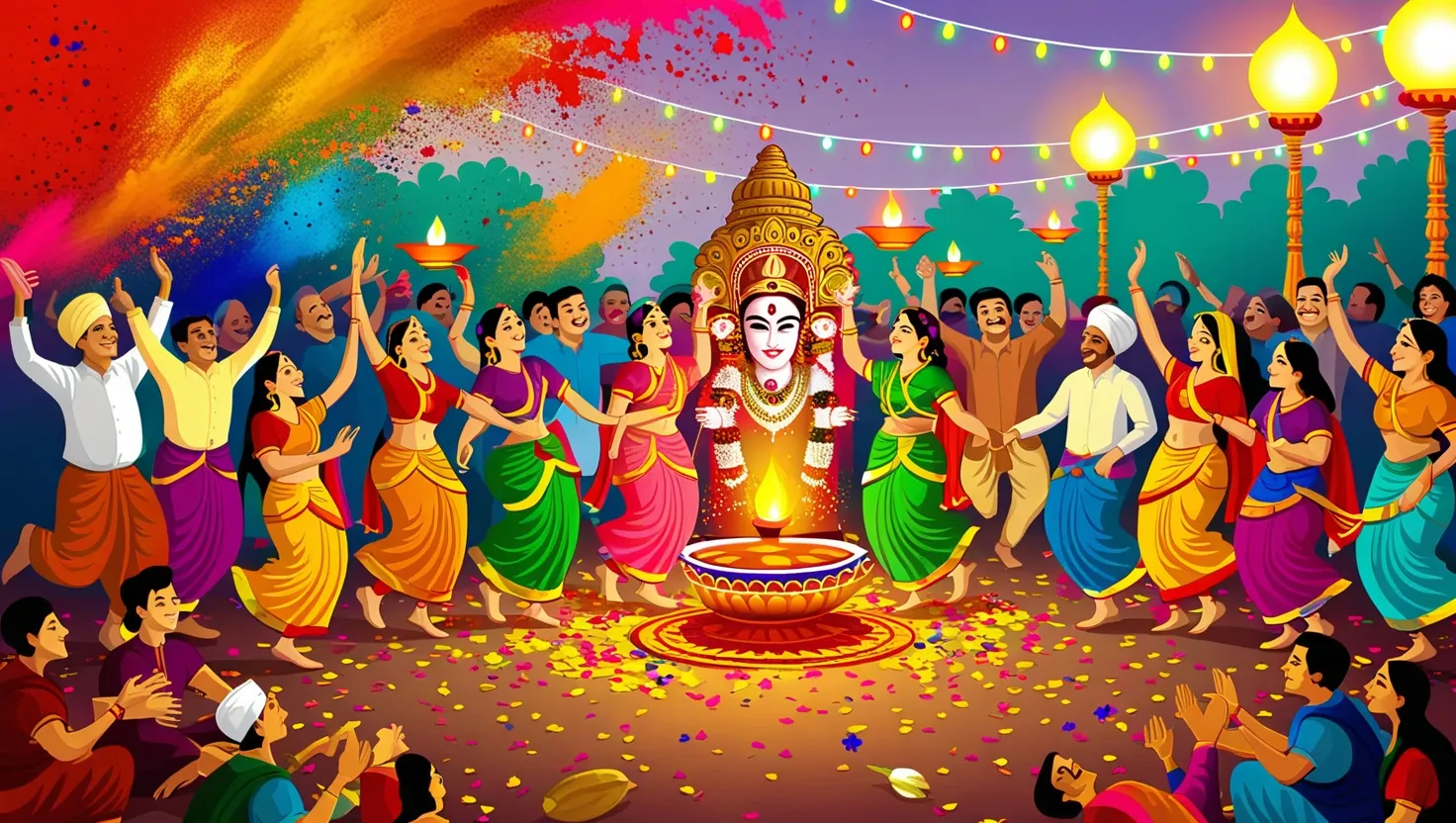
When I think about the festivals rooted in the Puranas, I am reminded of how these ancient stories continue to shape our cultural identity and communal life. The Puranas, with their rich narratives, have been instrumental in crafting the fabric of Hindu festivals that we celebrate today.
One of the most vibrant festivals is Holi, which commemorates young Prahlad’s unwavering devotion to Vishnu. This festival of colors is a celebration of the triumph of faith over tyranny, as symbolized by the burning of Holika. As I watch people throw colored powder at each other, I see it as a beautiful expression of unity and renewal of social bonds. Communities come together, putting aside their differences, to rejoice in the joy of colors.
As Mahatma Gandhi once said, “Service which is rendered without joy helps neither the servant nor the served.” This sentiment resonates deeply with the spirit of communal celebrations like Holi, where joy is at the heart of everything.
Another significant celebration is Diwali, the festival of lights. It honors multiple events from the Puranas, including Rama’s return to Ayodhya after defeating Ravana. Lighting lamps symbolizes the victory of light over darkness, both literally and metaphorically. Families exchange sweets and clean their homes, embodying prosperity and spiritual cleansing. I often wonder, what does this festival mean to you? How does it bring light into your life?
Diwali also reminds us of the importance of community and family. It’s a time when families come together, sharing in the joy of the festival and reflecting on the past year. This unity is a testament to the enduring power of these festivals.
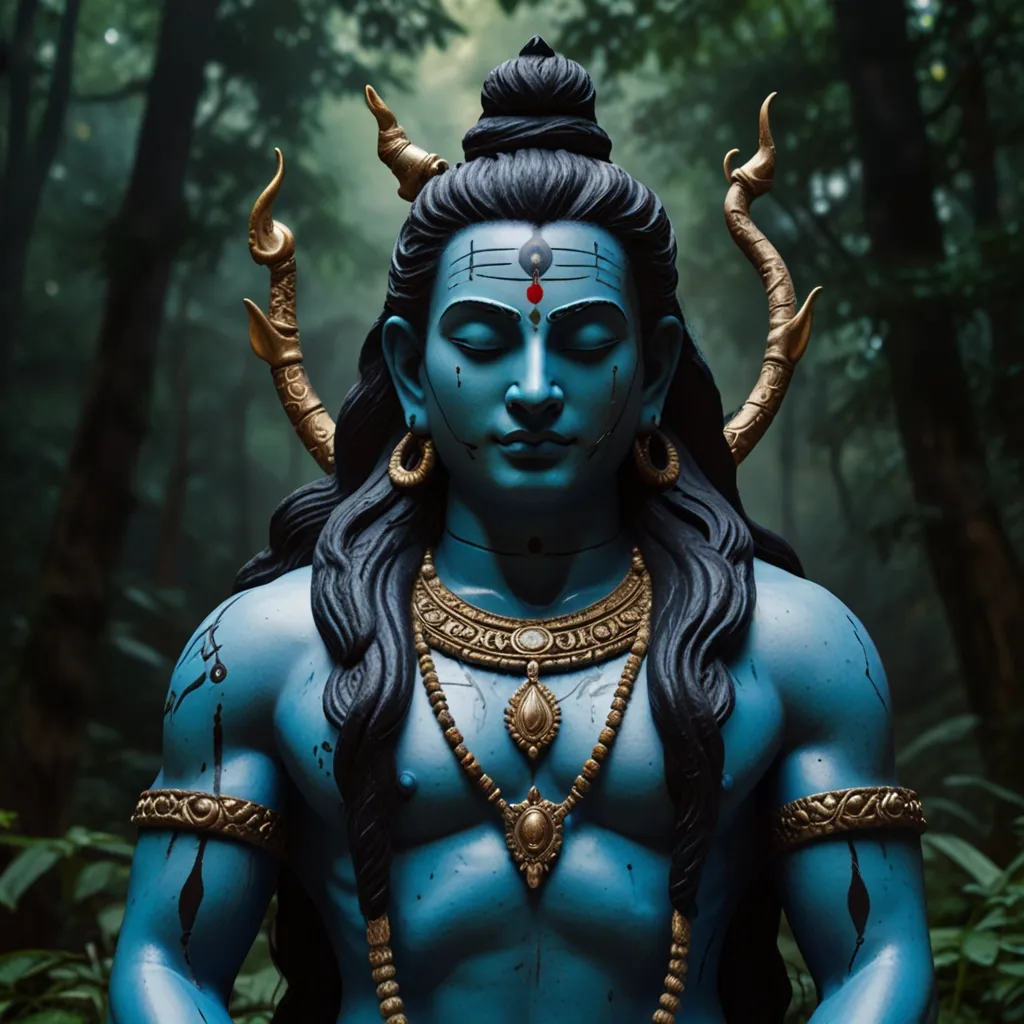
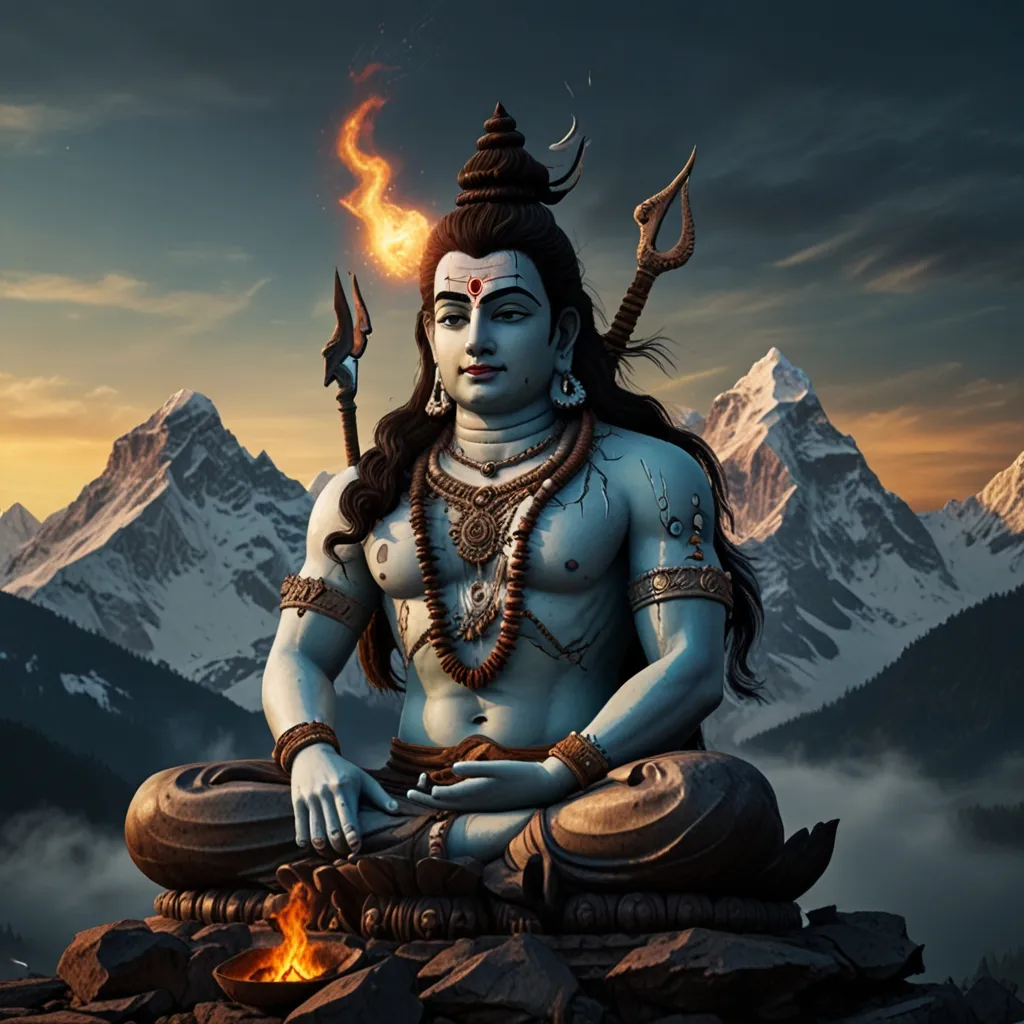
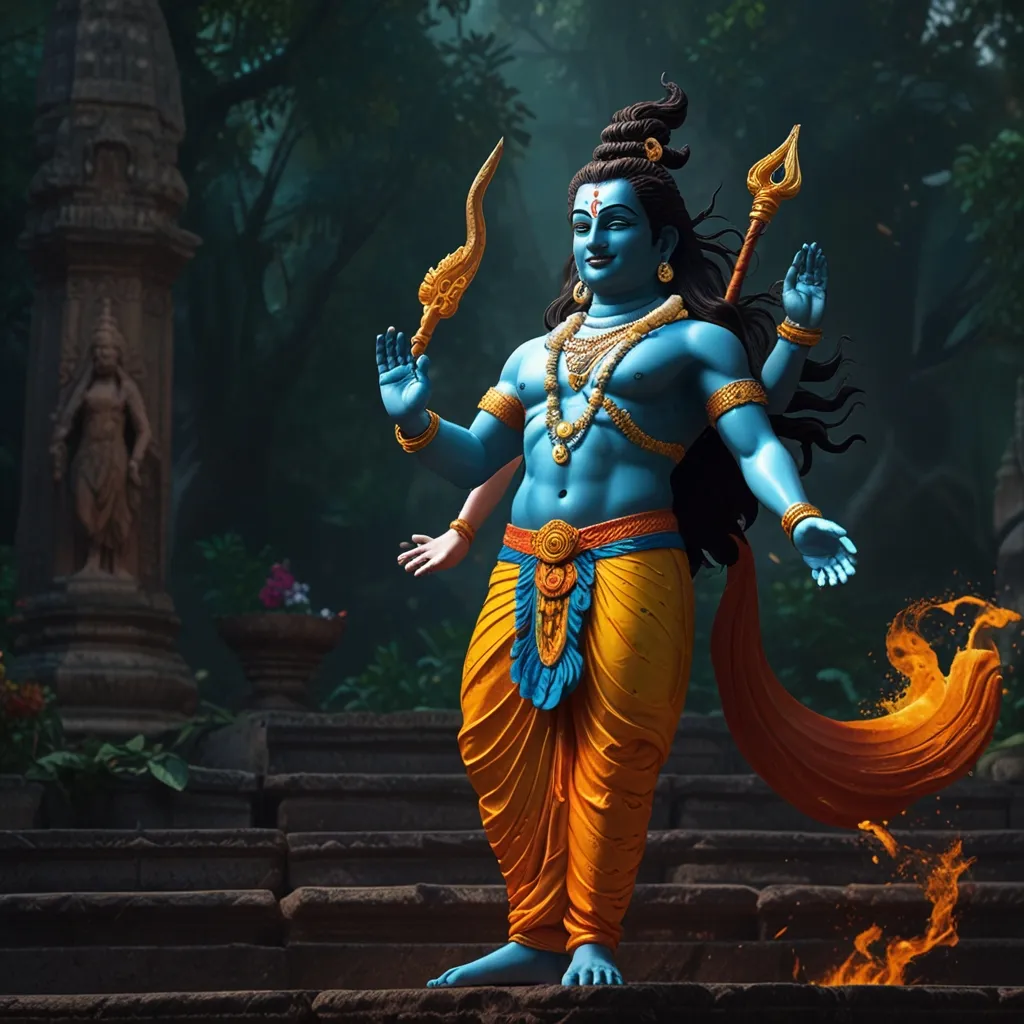
Maha Shivaratri is another festival that holds immense spiritual significance. It is a night-long vigil dedicated to Shiva, marking his cosmic dance of creation and preservation. Devotees fast and chant hymns, seeking inner transformation through meditation and self-discipline. This festival highlights the importance of self-reflection and spiritual growth.
As Swami Vivekananda once said, “The greatest sin is to think yourself weak. No one is weak. We are all capable of anything.” This idea resonates with the challenges undertaken during Maha Shivaratri, where devotees push their limits to seek enlightenment.
Janmashtami celebrates the birth of Krishna, reenacting his childhood stories. Communities fast, sing devotional songs, and break pots filled with curd, symbolizing joy amid adversity. This festival is a reminder of the divine protection that exists in our lives, a theme that resonates deeply with many devotees.
In reflecting on these festivals, I often ask myself: What does it mean to celebrate these stories in our modern lives? How do they continue to inspire us?
Navaratri/Durga Puja is another grand celebration, honoring Durga’s victory over the demon Mahishasura. Elaborate idols depict her defeating evil forces, emphasizing feminine strength and ethical courage. The festival culminates in processions and immersion rituals, reinforcing the power of community and ethical living.
Rabindranath Tagore once said, “The highest education is that which does not merely give us information but makes our life in harmony with all existence.” This idea is beautifully represented in Navaratri, where the community comes together to honor Durga, embodying harmony and strength.
Ganesh Chaturthi celebrates the birth of Ganesha, the remover of obstacles. Artisans craft intricate idols for public display, later immersing them in water. This ritual teaches us about impermanence and the importance of collective effort. It’s a reminder that even the most beautiful things are temporary and that community is essential for overcoming life’s challenges.
As I reflect on these festivals, I am struck by how they bridge ancient narratives with contemporary life. They transform mythology into lived tradition, sustaining cultural values through participatory rituals. Each celebration reinforces timeless ideals like resilience, gratitude, and communal harmony.
Finally, Onam is Kerala’s harvest festival, recalling the benevolent King Mahabali’s annual visit to his former kingdom. Floral carpets adorn homes, and boat races energize communities. Onam fosters gratitude for nature’s abundance and social harmony. It’s a celebration that reminds us of the importance of appreciating the simple things in life.
In the words of Rumi, “The wound is the place where the light enters you.” Festivals like these help us reflect on our lives and find light in the simplest moments, connecting us to our roots and to each other.
These festivals are more than just celebrations; they are living, breathing traditions that keep our cultural heritage alive. They remind us of the power of community and the importance of preserving our stories for future generations.
As I conclude, I am left with a question: How do these festivals shape our understanding of ourselves and our place in society? They weave together ancient tales with modern life, creating a rich tapestry of meaning and purpose. In the end, it’s not just about the festivals themselves but about the connections they forge between people, between past and present, and between our inner selves and the world around us.