Did a Warrior King Really Create Heaven on Earth?
Rivalries, Enlightenment, and the Cosmic Mantra: Vishvamitra's Epic Transformation
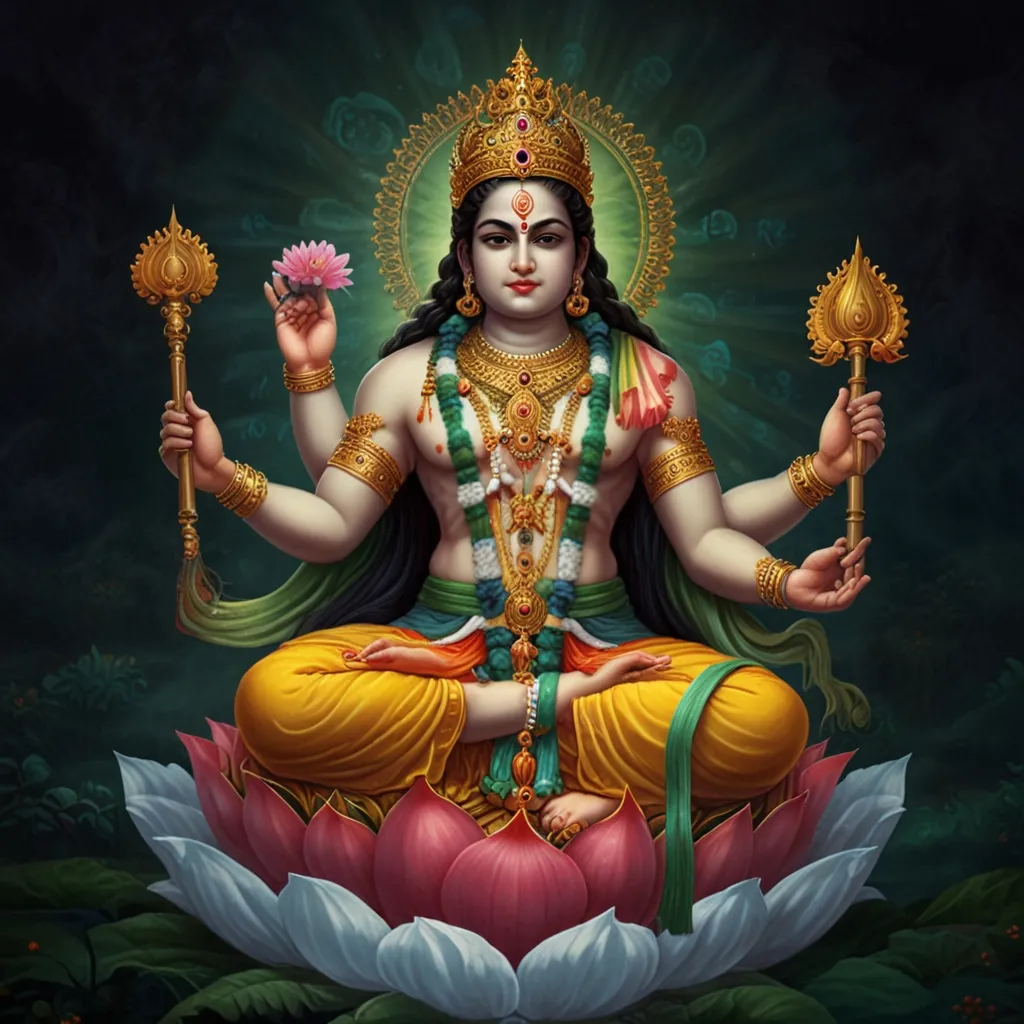
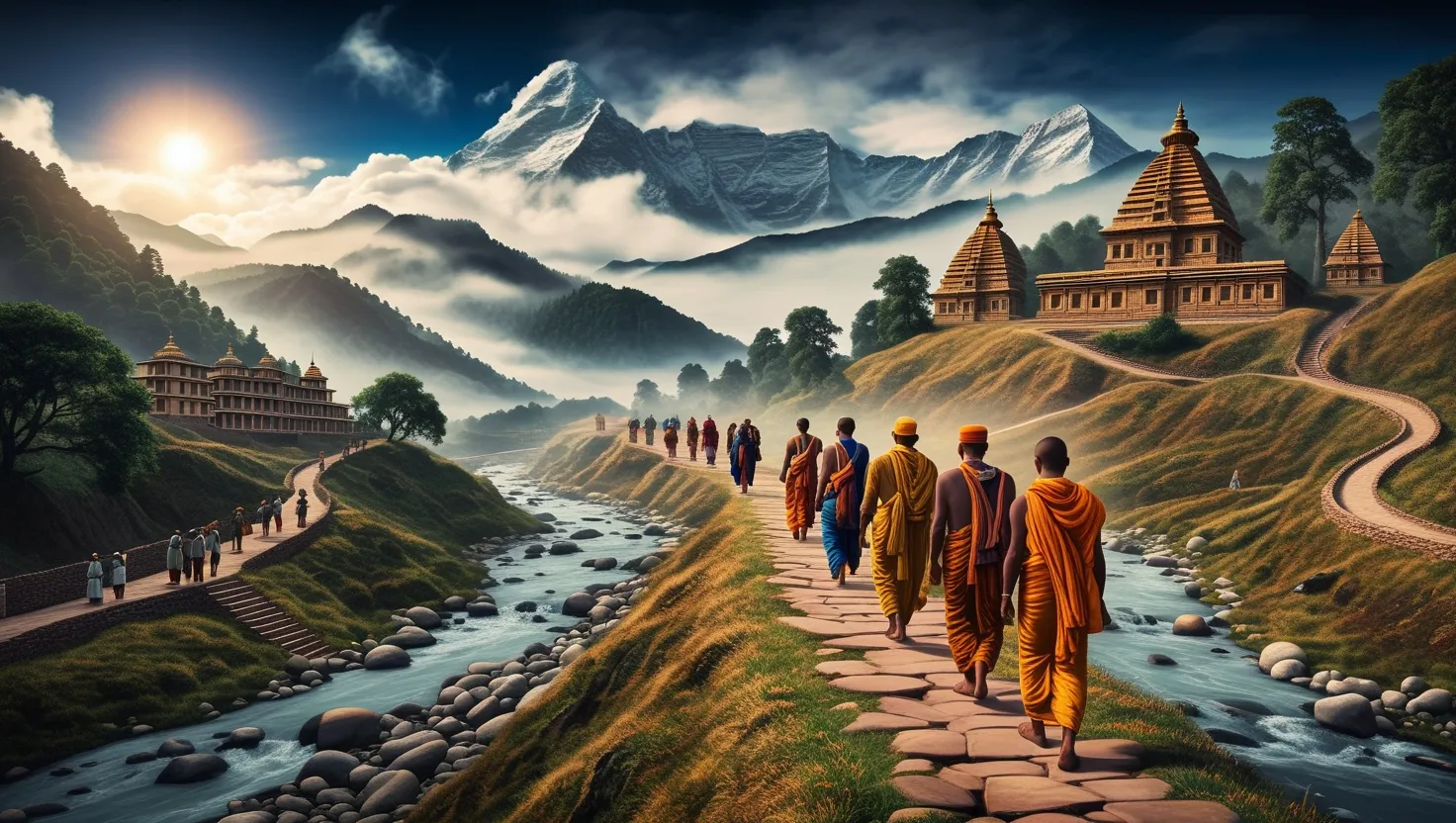
Brahmarishi Vishvamitra is one of the most respected figures in Hindu mythology, and his story is all about the power of human will and spiritual evolution. Starting out as a Kshatriya king ruling Kanyakubja, Vishvamitra was driven by an intense desire to reach the spiritual heights of becoming a Brahmarishi.
His journey kicked off with a fierce rivalry with the sage Vashistha. Their legendary battles weren’t just power trips; they were also fights for spiritual enlightenment. Determined to outdo Vashistha, Vishvamitra set off on a path of extreme penance and meditation.
One of the coolest tales about him is how he created his own version of heaven, Trisanku Svarga. King Trisanku wanted to go to heaven in his physical body, and despite opposition from the gods, Vishvamitra made it happen with his immense yogic powers, proving he was one serious spiritual heavyweight.
Along the way, Vishvamitra faced many tests, especially from Indra, king of the gods, who tried to mess up his meditation. One day, Indra disguised himself as a poor Brahmin to beg for food. Vishvamitra gave away his food without hesitation and went right back to meditating. This act of selflessness and focus eventually got him the title “Friend of All” from Brahma, due to his boundless compassion.
In the epic Ramayana, Vishvamitra played a significant role by training Rama and Lakshmana in warfare and spirituality. His wisdom was key to their victory over Ravana, the demon king of Lanka, showing his knack for being a solid mentor and guide.
Vishvamitra is also famed for discovering the Gayatri Mantra, one of the most holy hymns in Hinduism. Even today, millions chant this mantra, symbolizing the universal quest for enlightenment. Creating such a powerful and lasting mantra speaks volumes about his deep understanding of the universe and the human soul.
His story has been retold in various pop culture forms—from graphic novels to movies and television series. His rivalry with Vashistha eventually ends in a reconciliation that teaches valuable lessons about the power of forgiveness and understanding one’s own limitations.
In the end, Vishvamitra’s story is a beautiful illustration of transformation and spiritual growth. From a king to a sage, his journey reminds us that true power isn’t about external success but lies in deep spiritual understanding. His legacy remains a guiding light of wisdom, compassion, and enlightenment for all who seek them.