What Prophecies Did Sage Vyasa Reveal to the Pandavas in the Enchanted Forest?
Ancient Wisdom Illuminates the Pandavas’ Path through Exile and Destiny
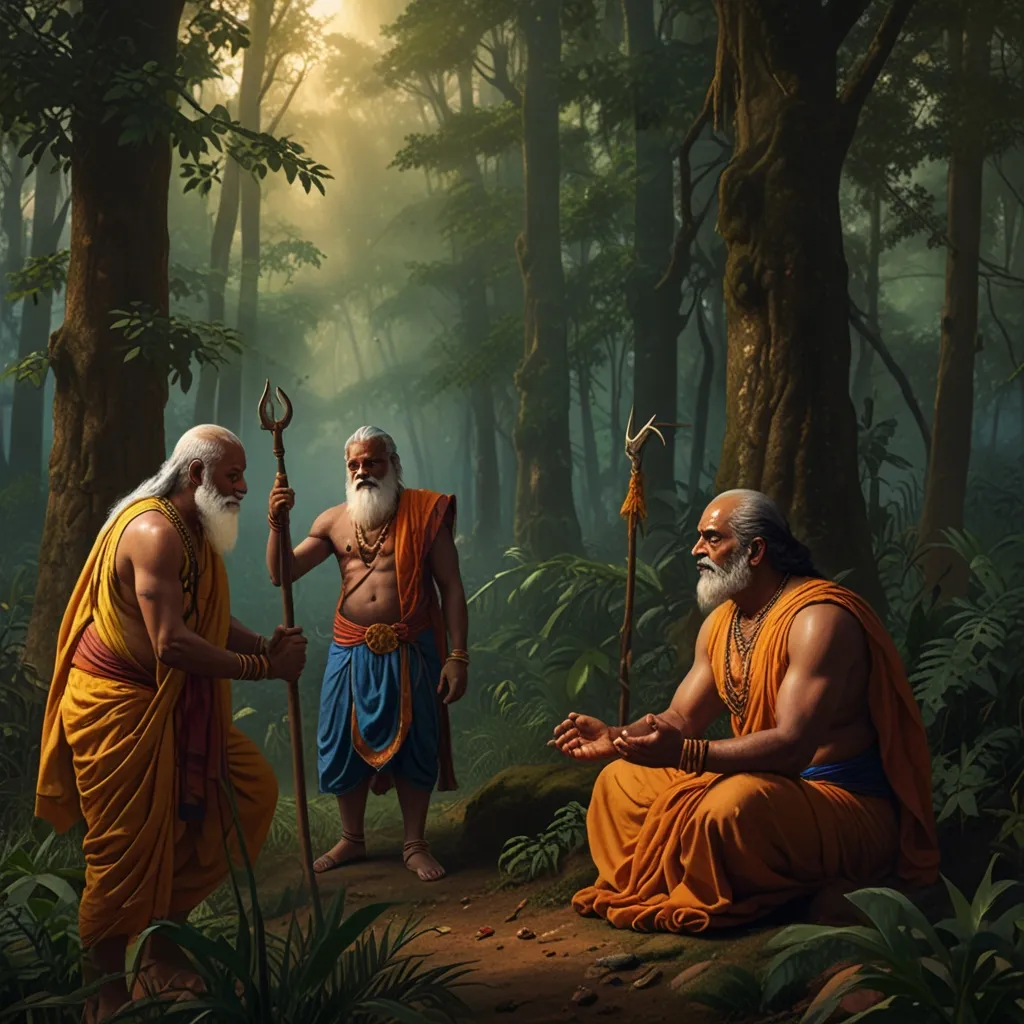
The Pandavas, famous for their wisdom and valor, found themselves in the middle of a dense forest, on an unexpected yet profound journey of exile. The trees around them were old and wise, whispering secrets to the curious breeze. The rivers sang songs of ancient times, reminding them of their heritage and purpose. It was in this enchanted wilderness that they encountered someone who would alter their destiny forever—the great sage Vyasa.
Now, Vyasa isn’t just any old sage you’d meet in your common tale. This guy’s a big deal—he wrote the Mahabharata, narrated to millions over thousands of years, and he’s also the grandfather of both Pandavas and Kauravas. When he showed up, it wasn’t by accident. Think of it as the universe sending a lifeline, a friendly nudge to steer them through their darkest days.
The Pandavas, with their hearts weighed down by the challenges of exile, felt an inexplicable comfort as Vyasa approached. His presence seemed to light up the gloomy forest. Yudhishthira, the eldest of the brothers, knew right away that Vyasa’s visit was like a divine blessing, something they absolutely needed at that moment.
“Thank you for gracing us with your presence, Vyasa,” Yudhishthira greeted him, his voice ripe with respect. “We are in exile, facing countless trials. Your guidance would be a precious gift to us now.”
Vyasa, with a kind of ancient twinkle in his eyes, smiled. “I’m here not just to guide you, Yudhishthira. I’ve come with prophecies about your future.”
The Pandavas gathered closely around Vyasa, their curiosity piqued. They understood that these weren’t just random predictions; they were divine revelations, words woven with the threads of destiny.
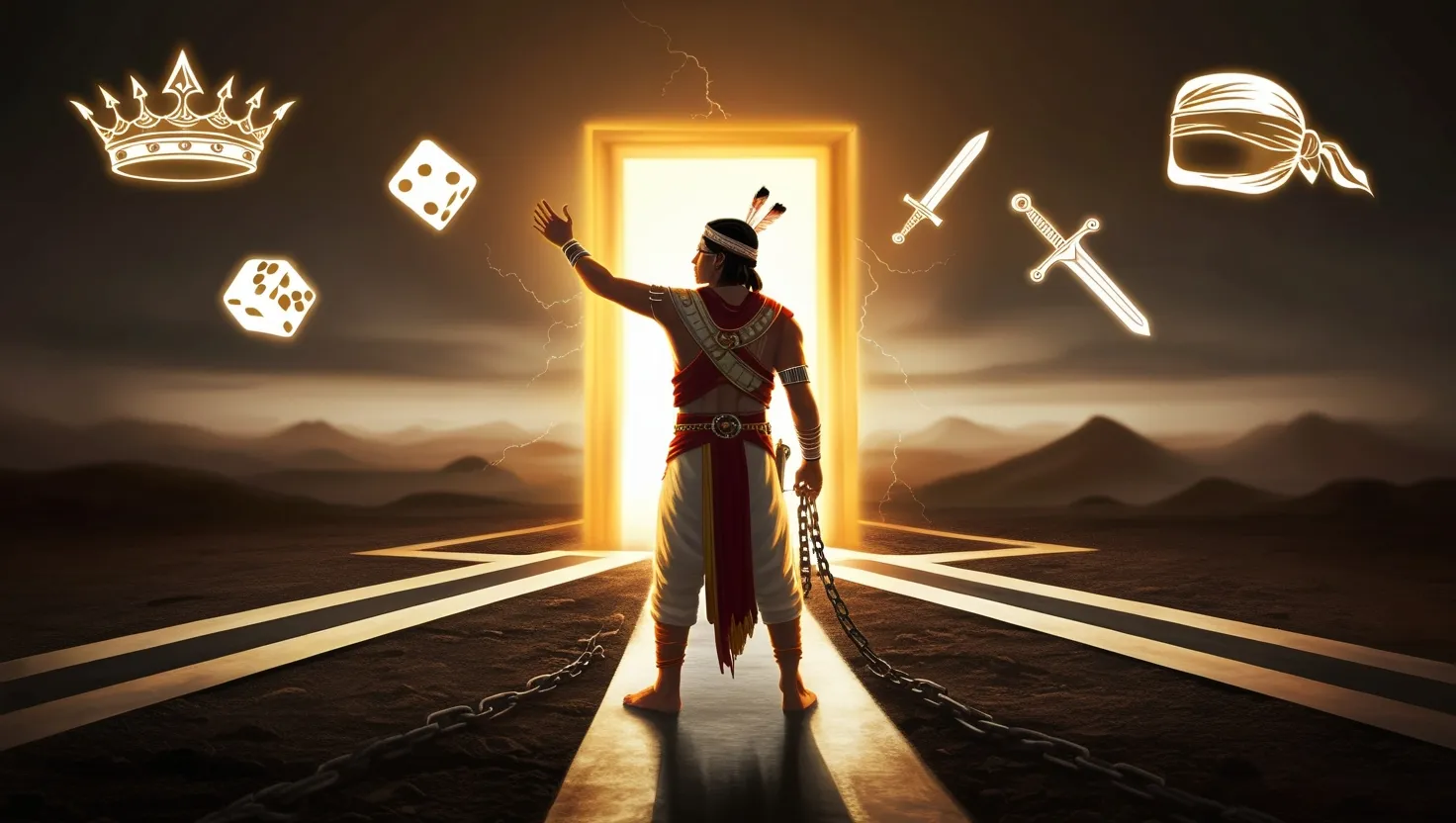
“This exile? It’s not for nothing,” Vyasa began, his voice calm yet commanding. “It’s a time to build your strength—not just of body but of spirit. What lies ahead isn’t merely a fight with weapons. It’s a fight of wills, of righteousness versus injustice.”
His words washed over the Pandavas like a soothing balm. They had been wrestling with so many questions—why were they suffering? Would they ever reclaim their kingdom? But Vyasa’s prophecies gave them something invaluable—hope.
Arjuna, ever the curious warrior, couldn’t help but ask, “What lies ahead for us? Will we win back our kingdom?”
Vyasa turned a bit more serious. “The roads ahead are filled with dangers, Arjuna. But remember, you will face your enemies with courage and integrity. The war will be brutal, but in the end, righteousness will win.”
Bhima, the strongman of the Pandavas, clenched his fists with resolve. “We won’t give up, Vyasa. We’ll fight for what’s rightfully ours.”
Vyasa nodded approvingly. “Your brute strength, Bhima, will be crucial. But don’t forget—true strength is also about moral courage and doing the right thing.”
Meanwhile, the twins—Nakula and Sahadeva—exchanged glances filled with determination. They knew they had parts to play in this grand scheme, and they were ready to face whatever came their way.
Draupadi, their ever-resilient wife, listened closely. She’d shared their pains and struggles, and she was no mere spectator. She was a warrior in her own right. “What about me, Vyasa?” she asked, her voice steady but filled with purpose. “What role will I play in the war?”
Vyasa’s gaze softened. “Draupadi, you’re the heart of the Pandavas. Your strength and determination will be their backbone. You’ll face many trials, but you’ll emerge stronger and brighter.”
With each word from Vyasa, the Pandavas felt a growing sense of purpose. Their exile seemed less like a punishment and more like preparation for something monumental. A mission not just to reclaim a kingdom, but to fulfill their destiny.
As Vyasa readied to leave, the brothers and Draupadi expressed their profound gratitude. They knew the road ahead would be challenging. But they were fueled now—ready to embrace their fate, ready to fight for righteousness, ready to triumph.
Wyasa, with a final twinkle in his wise eyes, left them with these words, “Remember, the future isn’t set in stone. Your actions, your choices shape it. Always choose righteousness, and you’ll find the universe working in harmony with you.”
With that, Vyasa disappeared into the forest, leaving the Pandavas to mull over his prophecies. They were filled with a renewed sense of vigor and hope. They knew the journey ahead was long and hard, but they were ready. Ready to face whatever the universe had in store for them, armed with the wisdom of Vyasa and their unyielding resolve.
As they watched the wise sage meld into the forest shadows, the Pandavas felt more than prepared—they felt destined. The trials of their exile turned into steps on a ladder they had to climb to reach their ultimate goal—a path illuminated by Vyasa’s eternal light of wisdom. And climb they would, with hearts full of purpose and spirits steeled for the battles ahead.