Imagine sitting down with me as I flip through the ancient pages of the Mahabharata. You know, that massive Indian epic about a family feud that turns into the world’s biggest war. But here’s the thing I want you to notice right away: this story isn’t just wild tales of kings and battles. It’s glued together by numbers. Simple numbers that pop up again and again, like a secret code. They make the whole chaos feel planned, like destiny isn’t random—it’s math.
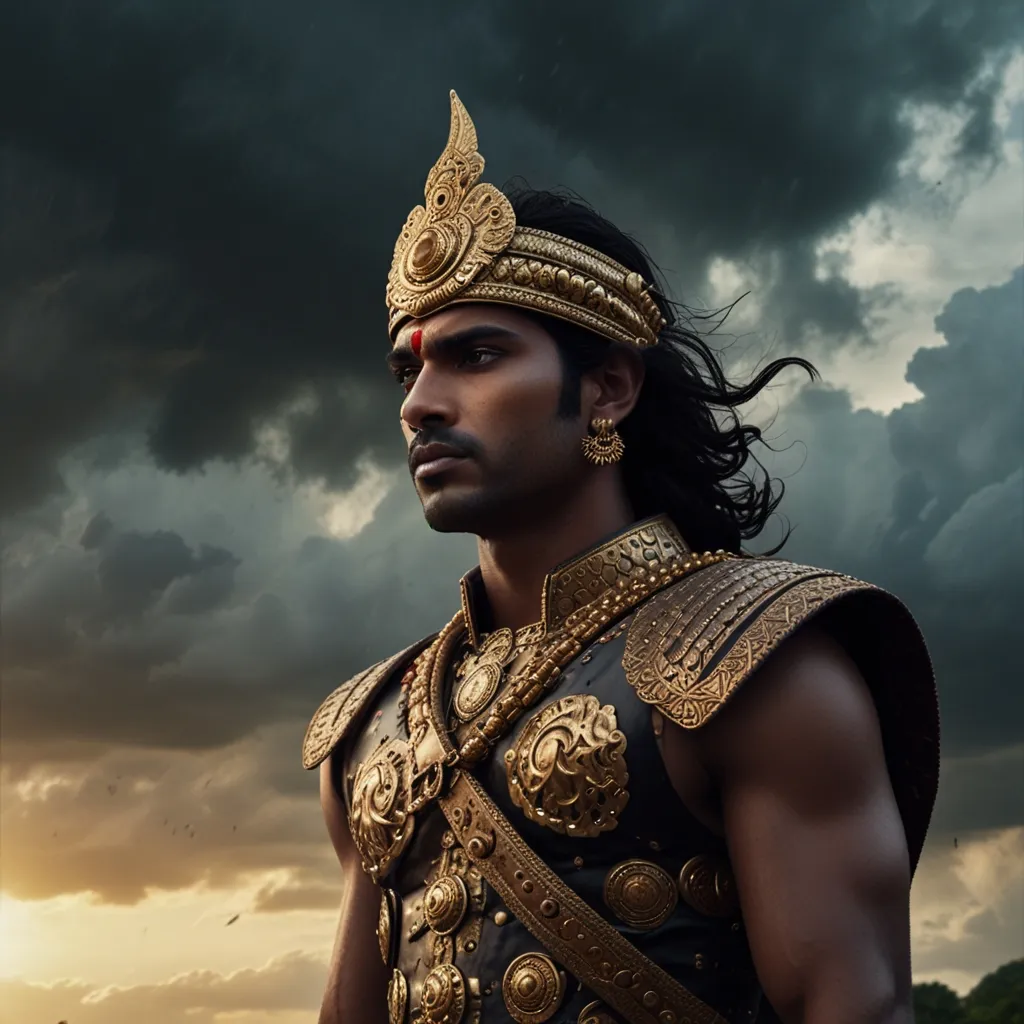
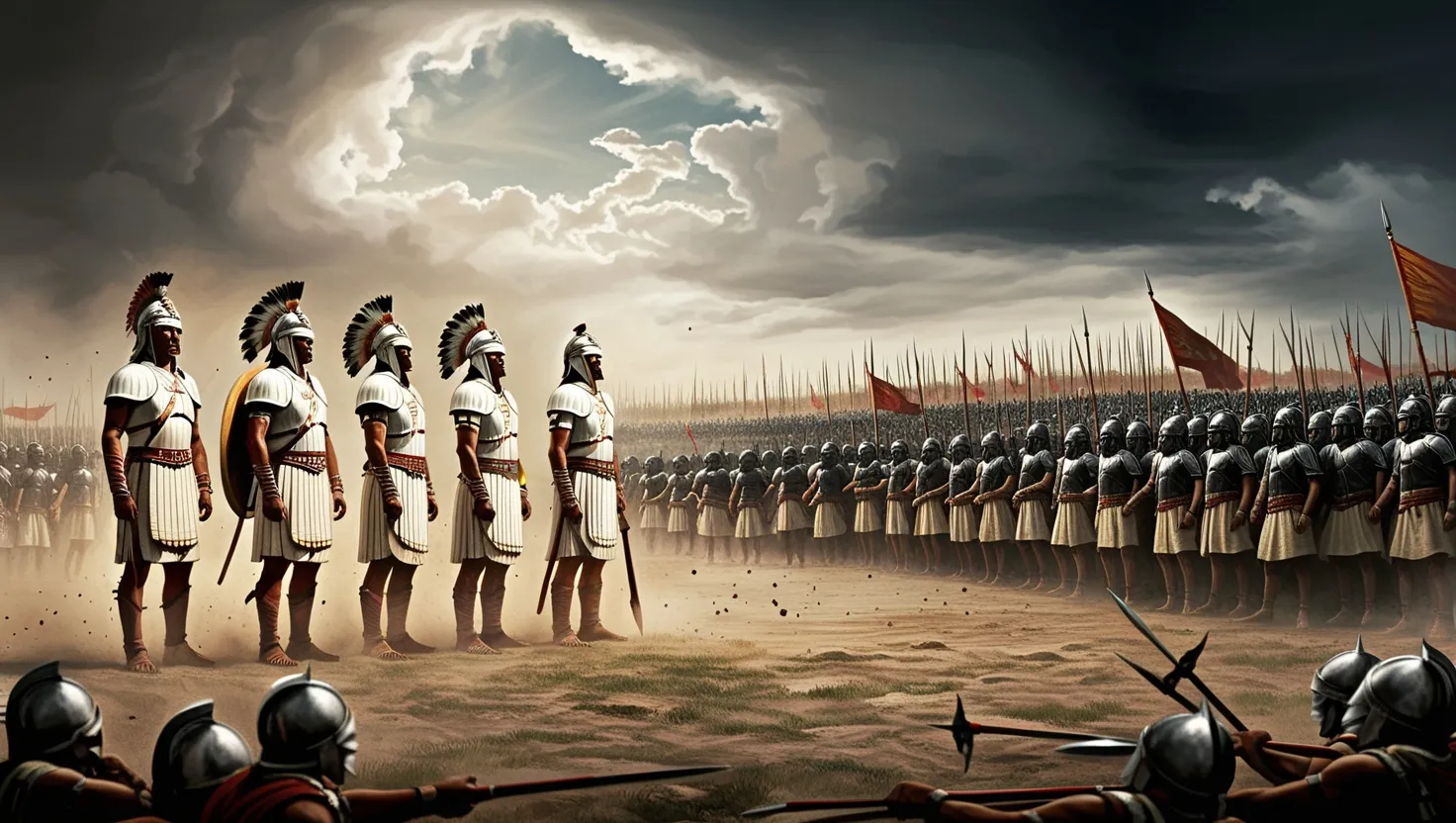
Think about it. Why five Pandavas against one hundred Kauravas? Five brothers, strong and tight-knit, facing a hundred greedy cousins. You might say, “Okay, so what? More guys means more power.” But hold on. That five versus one hundred isn’t just counting heads. It’s like nature’s way of saying small teams win with smarts, while big crowds trip over their own feet. The Pandavas stick together, plan sharp, get help from gods. The Kauravas? They bully with numbers but fall apart inside. Ever wonder if your life has a similar split—your tiny circle versus the crowd pushing you?
Let me pull you closer. Picture the exile. The Pandavas lose a dice game—fair and square, sort of—and get kicked out for thirteen years. Twelve in the rough forest, scraping by, learning pain. Then year thirteen, they hide who they are, working as nobodies in a king’s court. Thirteen. It’s not a nice round ten or twenty. Why that odd number? It forces them to break down and rebuild. Forest years toughen bodies. Hiding year cracks egos. You come out new. Ask yourself: have you ever had a stretch like that, where time itself reshapes you?
“Time is the destroyer of worlds.”
—A line from the Bhagavad Gita, right in the Mahabharata’s heart.
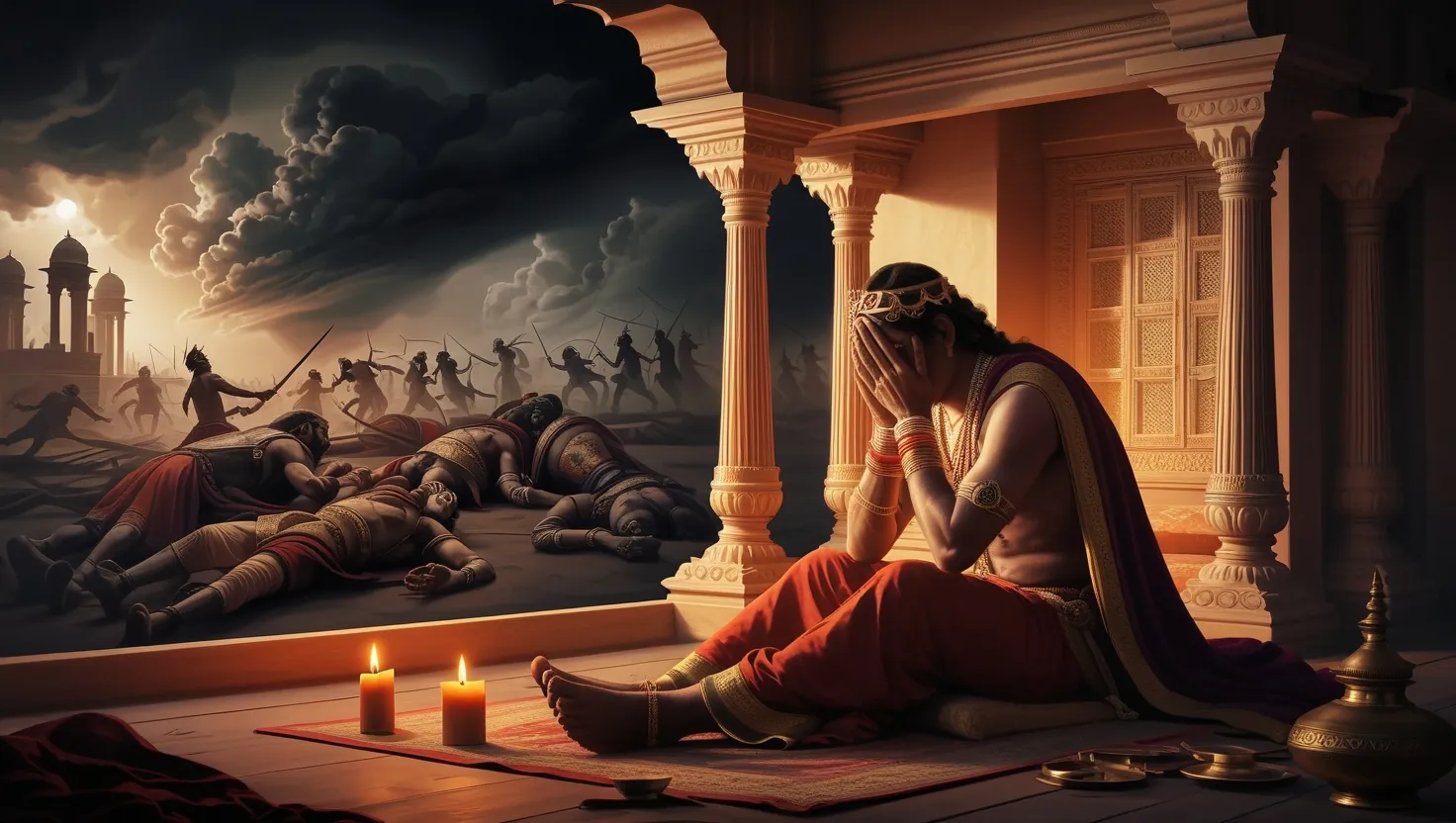
Now, the war. Eighteen days of blood. Armies clash, heroes drop, arrows fly like rain. And guess what? The whole epic splits into eighteen books. Each day mirrors a book. Day one: setups and boasts. Later days: betrayals, comebacks, ends. It’s like the war squeezes the entire story into those days. Everything before—births, loves, tricks—was buildup. Eighteen ties it all. Makes you think: is your big life moment just eighteen intense days hiding in plain sight?
I find this wild. The Mahabharata doesn’t ramble forever. Vyasa, the guy who “wrote” it—or dictated it to elephant-headed Ganesha—made exactly 100,000 verses. One hundred thousand. That’s not random bloat. It’s a full circle, like saying, “This book holds everything.” Every feeling, trick, god-move, human mess. Read it all, and you’ve seen life. What if your own story boils down to 100,000 key moments? Too many? Or just right?
Draupadi grabs me next. One woman, five husbands. The five Pandavas share her. Weird, right? Kings had many wives, but this flips it. She’s the glue. Five isn’t half-baked; it’s a complete hand, fingers working as one. Without her, the brothers split. With her, they’re unbreakable. Imagine telling a friend today: “Marry all five siblings.” Crazy. But it worked for them. Does five mean “whole team” in your world? Like five senses making you you?
Bhishma. The old warrior on a bed of arrows. Shot full of holes, he hangs there fifty-eight days. Not fifty, not sixty—fifty-eight. Waiting for the sun to turn north, that perfect moment to die. He controls even his exit. Oaths bound his life; numbers rule his end. Pain drags, but he chooses the clock. Ever waited that long for something huge? What keeps you going?
Let me slow down and chat with you. These numbers aren’t accidents. Five Pandavas. One hundred foes. Thirteen years out. Eighteen days in. Five husbands. Fifty-eight wait. One hundred thousand lines. They box the story. Characters fight inside those lines, but can’t jump out. Destiny feels like equations. You plug in ambition, add jealousy, multiply by gods—boom, war.
But wait, lesser-known bits. Dig a little, and thirteen ties to lunar cycles. Twelve forest years match moon rounds. Thirteenth? Lunar eclipse vibes—dark, hidden self. Unconventional angle: maybe the epic copies sky math. Stars and numbers boss humans around. Pandavas win because they sync with it. Kauravas? They fight the math.
Another quiet fact. Kauravas: exactly one hundred. Not ninety-nine, not one-oh-one. Hundred means full greed pack. In old texts, hundred is “all gone wrong.” Pandavas five: fingers, elements, senses. Perfect balance. Lose one, hand fails. They don’t. Unity math.
“The moving finger writes; and, having writ, moves on.”
—From Omar Khayyam, echoing how Mahabharata numbers seal fates.
Question for you: if destiny is numbers, can you tweak yours? Pandavas tried—cheated dice? No, numbers won. Exile happened. War hit eighteen days sharp. But their choices inside? They picked honor. Numbers set the stage; you play the lines.
Shift gears. Vyasa’s 100,000 verses. Split it: 18 books times about 5,555 verses each. Eighteen again! War echoes everywhere. Unconventional: this isn’t just long. It’s a number machine. Recite it, memorize chunks—numbers help priests track. Oral math kept it alive thousands of years.
Bhishma’s fifty-eight. Why that? Uttarayana starts day fifty-nine-ish. He picks fifty-eight to teach patience. Lesser fact: fifty-eight days match some old calendars for hero waits. His arrows? Thousands, but he counts breaths. Math of dying slow.
Draupadi’s five. Hidden gem: five elements—earth, water, fire, air, sky. She embodies them, husbands guard one each. Polyandry math: one queen rules five kings. Flips power. Women today might nod—strength in sharing load.
Exile thirteen. Odd one. Most epics round up. Not this. Thirteen means trial plus one—rebirth. Forest twelve: full cycle. Hide thirteenth: test it. Like your bad year, then breakthrough.
War eighteen. Each day a lesson. Day ten: Bhishma falls. Day fourteen: wild night fight. Eighteen lunar months? Some say full cycle to end age. Kali Yuga kicks off post-war. Numbers birth new era.
I urge you, try this: count fives in your day. Five meals? Five worries? Mahabharata whispers: group them, make whole. Hundreds? That’s overwhelm—chop it down.
Now, cosmic twist. Mahabharata says numbers from gods. Krishna tells Arjuna: fight, it’s written. But numbers prove it. Five good, hundred bad. Thirteen remake. Eighteen destroy and teach.
“Numbers rule the universe.”
—Pythagoras, ancient math sage, fitting this epic perfectly.
Ever feel pinned by counts? Job lasts thirteen months? Five bosses? One hundred tasks? Mahabharata says: ride the numbers. They structure destiny.
Deeper cut: characters cluster numerically. Yadavas, Krishna’s clan: multiples of seven. Seven days creation vibe? Pandavas link to five arrows of story. Unconventional: epic as giant abacus. Move beads—fate shifts? No, beads fixed.
Vyasa composes while war rages. Elephant Ganesha scribes. Speed? Numbers demand it. 100,000 verses in days. Math of divine download.
Bhishma waits fifty-eight. Teaches end-of-life laws. Lesser-known: during wait, he spills secrets—numbers of kings past, future wars. His math lesson from arrow bed.
Draupadi’s swayamvara: fish-eye target. Tiny, moving. Five brothers hit it together? No, Arjuna solo—but five back him. Team five wins prize.
Exile end: thirteenth year slip-up? Numbers tight—no full expose. Destiny holds.
War day eighteen: Ashwatthama’s night raid. Too late. Eighteen seals victory sour.
Question: rewrite your numbers? Less foes, more unity? Mahabharata laughs: try, but math bites back.
One hundred Kauravas born from gum? Weird birth math. One ball splits hundred. Greed multiplies.
Pandavas: virgin Kunti invokes gods. Five sons, no repeats. Pure math invocation.
Thirteen years: animals talk, sages teach. Nature numbers lessons.
I love this: total warriors? 18 akshauhinis. Akshauhini: fixed unit—elephants, horses, etc., multiples of ten up. Eighteen units again! Armies math-matched for doom.
Post-war: survivors few. Five main winners. Cycle back.
Vyasa’s total: some count 100,000 shlokas exact. Each shloka two lines. Two hundred thousand lines. Even that doubles.
Unconventional angle: modern eyes see fractals. Five inside thirteen inside eighteen. Self-similar destiny patterns. Zoom in, same math.
Like your life: small fights mirror big ones. Numbers repeat.
“In the end, we will remember not the words of our enemies, but the silence of our friends.”
—Martin Luther King Jr., but swap for numbers: silence of ignored math.
Direct talk: next time life numbers you—count siblings, days, years—pause. Mahabharata built world on them. Yours too?
Bhishma’s wait: fifty-eight breaths of wisdom. He frees souls by timing.
Draupadi: five husbands mean five dharma paths. One woman teaches all.
Thirteen: unlucky? Here, lucky remake.
Eighteen: end of Dvapara age. New count starts.
Hundred thousand: infinite in finite. All stories inside.
Destiny’s math: inescapable, beautiful. Characters rage, but numbers win.
What numbers rule you? Spot them. Live by them.
Pandavas return post-thirteen: stronger. War eighteen: pyrrhic win. Life post-hundred thousand verses: wisdom.
I say, grab the abacus of your fate. Count carefully. Mahabharata did.
(Word count: 1523)