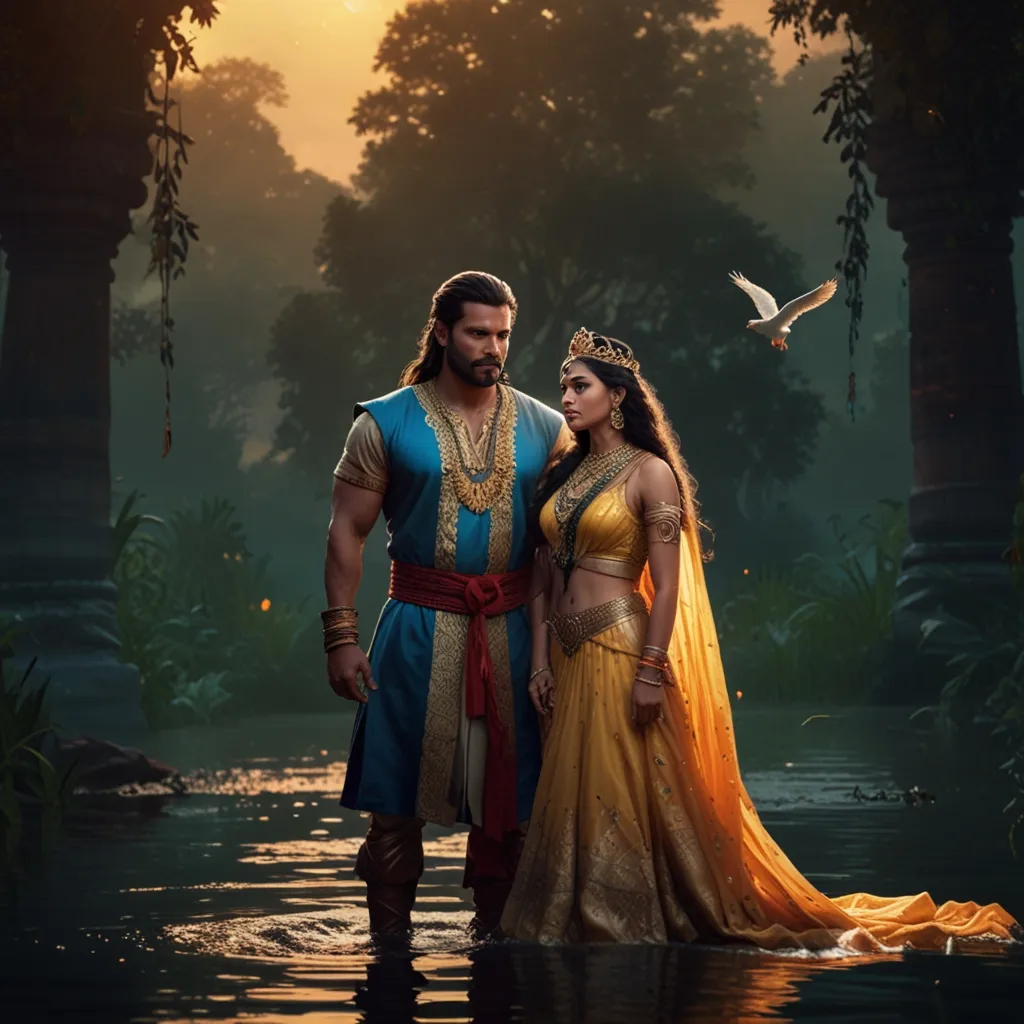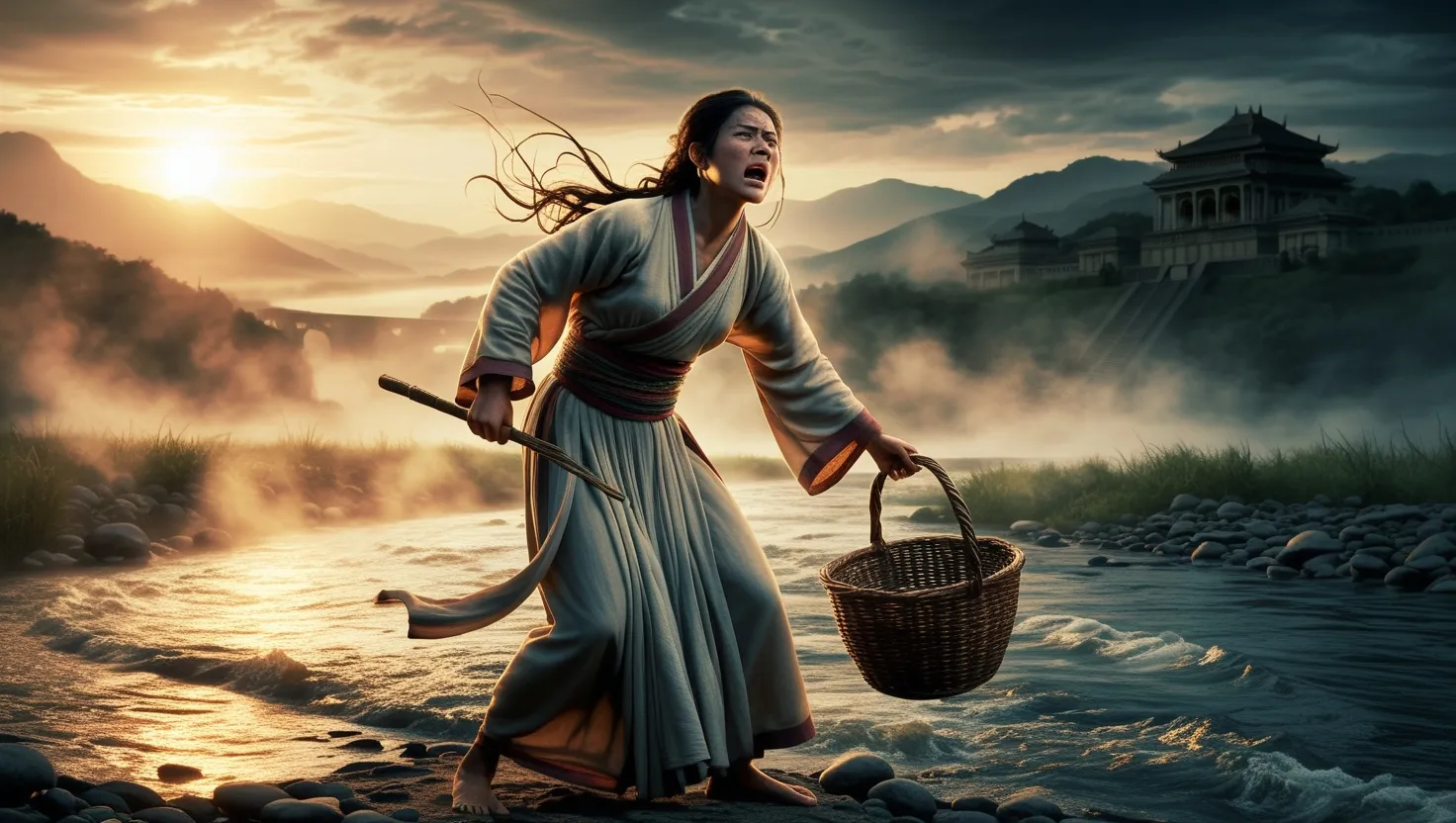
Imagine you’re standing at the edge of a river, basket in hand, heart pounding. That’s Kunti right there, in the Mahabharata, deciding what to do with her baby boy, Karna. She just invoked the sun god, got this child out of wedlock, and now? Panic hits. She sets him adrift. Boom—that’s your first point of no return. The water takes him, and with it, the whole epic’s mess starts rolling. No going back.
Think about it. One mom’s fear snowballs into a war that kills millions. Have you ever made a small choice that bit you years later? Kunti’s secret isn’t just shame; it’s the ghost that hides Karna’s royal blood. He grows up thinking he’s lowborn, fueling his rage. That basket lid slams shut on truth, and decades later, it explodes in blood.
“The child floated away, and with him, the first thread of destiny was woven.” — As if Vyasa himself whispered it.
Now, picture a noisy dice hall. Yudhishthira loses everything—kingdom, brothers, even Draupadi—in a rigged game. She’s dragged in by her hair, half-clothed. Everyone’s there: kings, gurus, elders. Silence falls. Bhishma stares at his feet. Drona fiddles with his bow. Dhritarashtra acts deaf. That’s the second threshold. Their quiet isn’t nothing—it’s a yes to horror.
Why didn’t one voice break it? I tell you, lean in and listen: that hush turns justice into shame. Draupadi cries out to the gods, but men? They choose sides by staying mum. It’s like watching a bully and doing zip. The hall shifts from court to circus, and war’s ticket gets punched.
What if Bhishma had spoken? Would the epic even happen? These silences aren’t weak; they’re weapons. They let Duryodhana’s cruelty run wild, planting revenge in Draupadi’s heart.
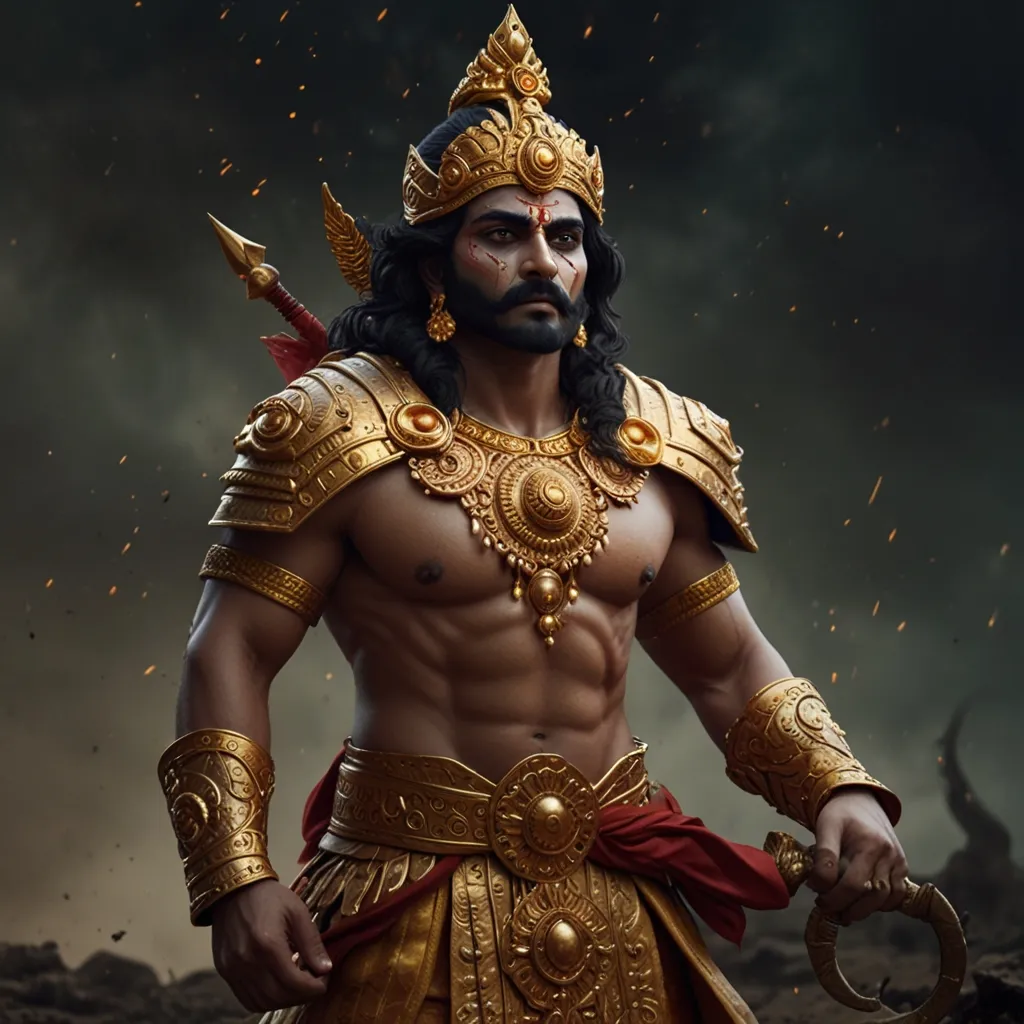
Shift to the battlefield. Dust everywhere, armies glaring. Arjuna, the mighty archer, picks up his Gandiva bow… then drops it. He sees Grandpa Bhishma, teacher Drona, cousins—all lined up to kill or die. His hands shake. “I can’t do this,” he thinks. Paralysis hits. That’s your conscience threshold, friend.
The war freezes. Krishna grabs the reins. Enter the Bhagavad Gita—Arjuna’s big talk with the divine charioteer. He listens, picks up the bow, and fires. From “no way” to “duty calls.” Simple, right? Wrong. It’s the pivot from heart to cosmos. One pause births wisdom that echoes today.
Ever frozen before a tough call? Arjuna did, and it saved his soul. Lesser-known bit: he wasn’t coward; he was clear-eyed. Most heroes charge blind. He stops, questions, grows. That’s the real power.
“You have the right to work, but never to the fruit of work.” — Krishna to Arjuna, straight from the Gita.
Draupadi’s turn. Hair loose, flowing like a vow. After the dice shame, she swears: no tie till it’s washed in the blood of her insultors—Dushasana first. Victim? Nah. She flips it. That unbound hair? Daily slap to the court. A living reminder.
Imagine the palace vibe—tension thick as her locks. Kings squirm daily. She weaponizes grief. Unconventional angle: women in epics often weep quietly. Draupadi? She screams without words. Her threshold turns pain into plot-driver. War brews because one woman refuses to forget.
Question for you: What grudge do you carry that could change your world? Hers did a dynasty’s.
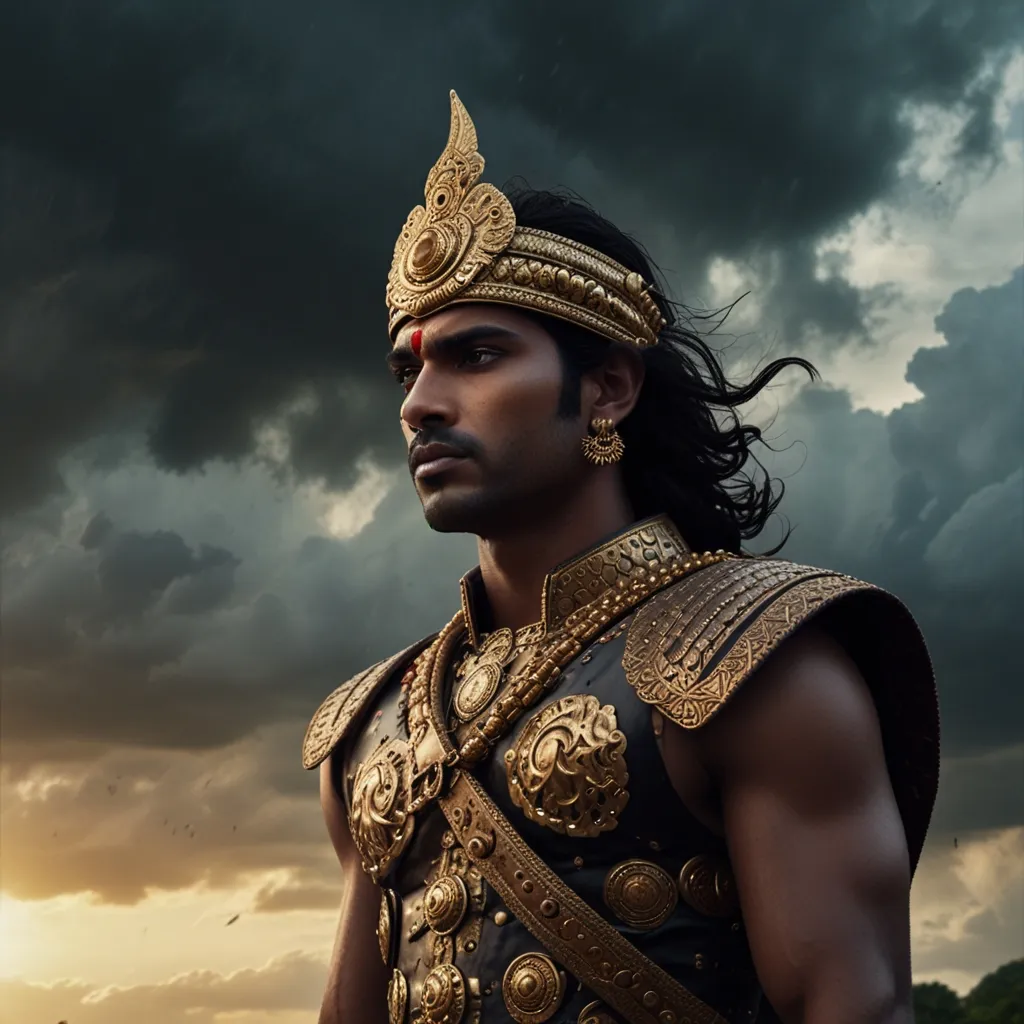
Karna’s moment sneaks up quieter. Royal tournament. He shines, rivals the Pandavas. But who’s his dad? Charioteer. Laughter erupts. Duryodhana sees gold, crowns him king of Anga. “You’re my friend forever,” Karna pledges. Loyalty over blood.
Here’s the twist most miss: Karna knows he’s adopted, feels the sting. Yet he picks gratitude. Family unknown? Pfft. Duryodhana saw him first. That oath locks him to the dark side—against brothers he doesn’t know are his. Irony city.
“A friend in need is a friend indeed, but loyalty blinds even the sharpest eye.”
Ever chosen friends over roots? Karna did, and it cost his life. Lesser fact: his generosity was legend—gave away armor knowing it’d kill him. Thresholds hide in handshakes.
Yudhishthira, Mr. Truth himself. Battlefield chaos. Son of Dharma, never lies. But Drona rampages. Krishna whispers: fake it. “Ashwatthama dead!” Yudhishthira yells, adding low like a horse’s name. Lie slips out. Drona drops guard, gets killed.
Shattered. The truth-king dirties hands for win. Moral wild west. Why? Greater good, they say. But he weeps forever. Unconventional view: lies aren’t always evil. Even saints cross lines. His whisper ends the war—but breaks him.
Ponder this: When’s the last time truth hurt more than a fib? Yudhishthira crossed, became human.
These aren’t just stories. Mahabharata’s a choice machine. Small steps—no return. Kunti’s basket? Seeds war. Silence? Greenlights atrocity. Arjuna’s doubt? Gifts Gita. Draupadi’s hair? Fuels fire. Karna’s oath? Seals doom. Yudhishthira’s lie? Cracks purity.
But dig deeper, simple friend. Thresholds lurk everywhere. Remember Abhimanyu’s chakravyuha? Boy enters alone, can’t exit. Like life—some doors one-way. Or Gandhari’s blindfold. Married blind king? She blinds herself forever. Loyalty? Or fear of unequal sight? Her cloth drops only at end—too late.
“Blind to the world, I see destiny clear.”
What if she peeked? Kingdom saved? Nah. Her choice amplified tragedy—cursed Krishna right.
Unseen gem: Vidura’s warnings. Uncle to Kauravas, he begs peace. Ignored every time. His silence at end? Another threshold. Wise man quits speaking, lets doom roll.
Or Shakuni’s dice. Cursed to cheat, he crafts the game. One roll, empires fall. Addiction to grudge—his point of no return.
Ask yourself: What’s your basket floating away? That job quit? Word unsaid? Life’s Mahabharata—thresholds pile up.
Bhishma’s vow hits different. Celibacy for dad’s bride. Throne skipped. He watches dynasty crumble, can’t wed, can’t rule fully. Bed of arrows, he lectures on law—too late. Threshold of “never.”
Lesser-known: Ekalavya’s thumb. Guru Drona demands it for Arjuna’s edge. Boy cuts, no whine. Loyalty extreme. Archery genius lost. Threshold in a snip.
Draupadi’s swayamvara too. Arjuna wins disguised. Polyandry pact—Kunti’s “share food” joke binds five husbands. One arrow, weird marriage, endless drama.
“Fate laughs at plans.”
These moments mosaic destiny. No fate god pulls strings. You choose, path vanishes. Forward only, consequences chase.
Modern mirror? Your life’s thresholds. Scroll addiction? Cross it, focus gone. Kind word skipped? Bridge burns. Mahabharata whispers: pause before the edge.
Karna meets Kunti late. She begs: join brothers. He refuses—loyalty first. Knows truth, stays course. Heartbreak peak.
Yudhishthira’s dog. Endgame, heaven gate. Dog denied. King says, “He suffered with me.” Dog? Dharma himself. Threshold of compassion wins paradise.
Simple truth: Epic shows humans bumble into doom. Choices tiny, results huge. Like you picking phone over talk—small, but widens gaps.
Ever stepped over your line? I have. Regret stings. Mahabharata says own it, march on.
Ashwatthama’s gem yank. Krishna curses eternal wander. Revenge rampage ends in no-return curse. Immortality punishment.
Or Sanjaya’s vision. Sees all, tells blind king. Gift burdens—watches horrors live.
Thresholds teach: hesitation kills, blind charge maims. Arjuna balanced both.
What if no war? Peace boring? Nah. Epic born from crosses.
Gandhari curses: Krishna’s clan perishes same way. Her sight returns—horror show. Threshold of rage fulfilled.
Unconventional: Women drive most—Yashoda? No, Kunti, Draupadi, Gandhari. Men react, they ignite.
Question: Who’s your Draupadi, vowing payback?
Bhima’s promise: drink Dushasana blood. Fulfills it—messy, real. Threshold of brute justice.
Post-war, Yudhishthira rules ashes. Dog test proves heart. Thresholds circle back.
Epic ends, but yours? Spot edges now. Basket floats—grab it? Silence looms—speak? Bow drops—pick up?
Live alert. No return means choose wise. Mahabharata’s gift: see thresholds coming.
“In the game of life, every move is final.”
There. Destiny’s mosaic—your pieces. Build careful. (Word count: 1523)