Landscapes as Character: How Places Shaped the Mahabharata’s Drama
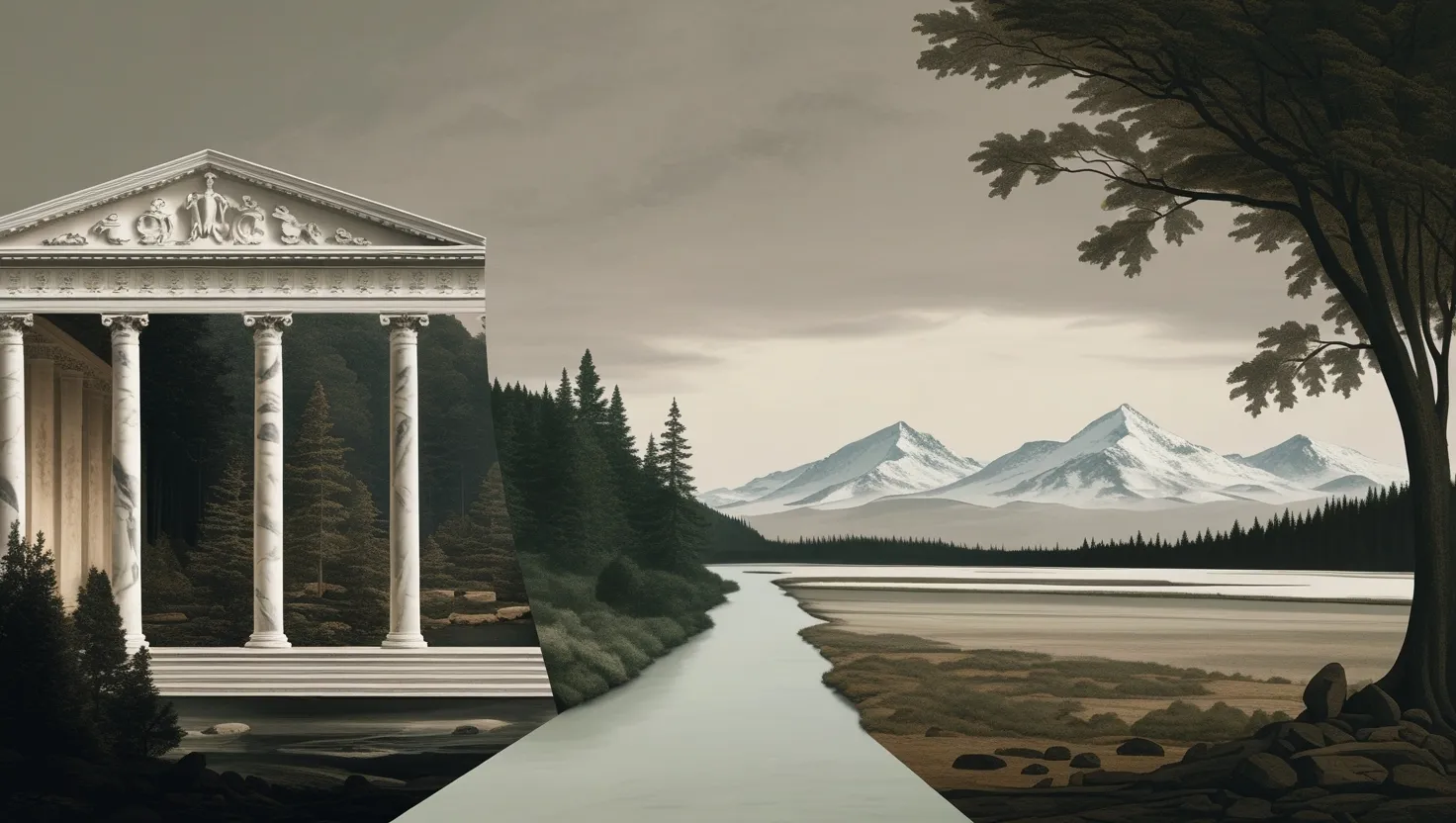
When I first began studying the Mahabharata, I made a mistake that many readers make. I treated the settings as mere furniture for the story—nice descriptions to paint a picture, but nothing essential to the plot. I was wrong. The physical world of this epic isn’t a stage where events happen to occur. It’s an active participant in the drama itself, just as real and influential as any human character walking across its terrain.
Think about it this way: if you move a person from a palace to a forest, everything changes about them. Their clothes no longer fit their surroundings. Their daily routines become impossible. Their sense of who they are gets shaken. The Mahabharata understood this fundamental truth about human nature, and it weaponized it. The places in this epic don’t just reflect what characters feel—they force them to become different people.
When Palace Walls Become Prisons
Let me start with Hastinapura’s palace, that magnificent structure of marble and gold. Here’s something we rarely discuss: splendor can hide moral rot. The grand halls designed for justice became stages for cruelty. Draupadi’s humiliation didn’t happen in a dark dungeon or a hidden chamber. It happened in a court, surrounded by polished floors and ornate pillars, watched by learned men seated in positions of honor. The architecture made the crime worse, not better.
Duryodhana’s confusion in Indraprastha’s illusion-filled palace reveals a crucial insight about environment that few writers capture. When he walked through that magical structure, created by Maya the architect, he couldn’t tell solid ground from empty air. He misjudged distances and proportions. This wasn’t a simple display of his foolishness. The landscape itself exposed his insecurity. It showed him that his understanding of reality was limited, that his perception couldn’t be trusted. The environment delivered a message his mind needed to hear.
Why does this matter? Because it shows that a place can teach what words cannot. A person might dismiss criticism from another human being. But when the ground beneath your feet betrays your expectations, when your senses lie to you in a physical space, you cannot simply argue your way out of that experience. The palace had become a teacher, and the only way to learn was through direct experience of its confusion.
Forests That Strip Everything Away
Now consider what the exile forced upon the Pandavas. They didn’t simply move to a different house. They were thrown into wild forests where comfort ceased to exist. Royal identity became meaningless. Servants couldn’t protect them. Money meant nothing when there were no markets. The environment stripped away every artificial layer of who they thought they were.
Bhima’s legendary strength, which once served court politics and power games, suddenly had a different purpose. He protected his brothers from actual danger—wild animals, harsh weather, the real threats that forests contained. His strength became honest in a way it never was in the palace. The forest demanded authenticity.
Arjuna faced a different challenge in those same woods. His legendary archery skills seemed useless in an environment where survival meant finding water and food, not winning tournaments. Yet the forest gave him something the palace never could—the opportunity for genuine spiritual development. In the silence of wild places, away from crowds and acclaim, he could sit in meditation and achieve states of consciousness that prepared him for divine weapons and higher understanding.
Here’s a question worth considering: could they have developed these deeper aspects of themselves in Hastinapura’s luxury? Could Bhima have discovered his protective instincts through palace life? Could Arjuna have gained spiritual clarity in the noise of court politics? The answer seems obvious once you think about it. The environment wasn’t just inconvenient for the Pandavas. It was exactly what they needed.
The forest also served another function—it forced equality upon them. A king and a peasant both need water and shelter. Both can starve. Both can freeze. The environment leveled them in ways that philosophical teachings about equality never could. They didn’t learn that all humans are equal through debate. They learned it by experiencing the same basic needs and vulnerabilities as the people they encountered in those wild places.
Rivers as Boundaries Between Worlds
Water features throughout the Mahabharata mark something important: transitions and thresholds. Rivers aren’t just geographic obstacles. They’re moments where characters must make choices and cross into different phases of their lives.
Consider the Saraswati River’s gradual disappearance through the epic. This isn’t merely poetic imagery. The river’s fading mirrors the decline of wisdom and dharma in the Kuru lineage. As the river vanishes, the moral order of the kingdom weakens. As dharma becomes harder to follow, the river becomes harder to find. The landscape and the spiritual reality move in parallel.
The Ganga holds an even more complex position. Bhishma took his oath on its banks—that promise that defined his entire existence. Later, he would spill his blood into that same river at Kurukshetra. The Ganga witnessed both his commitment and its ultimate consequence. The river became a witness to generations of sacrifice, transformation, and the costs of loyalty taken to absolute extremes.
Crossing rivers in the Mahabharata is never casual. Each crossing marks an irreversible step into a different kind of story. Before and after the river are different worlds with different rules. The environment enforced finality in ways that mere narrative could not.
The Battlefield as Sacred Ground
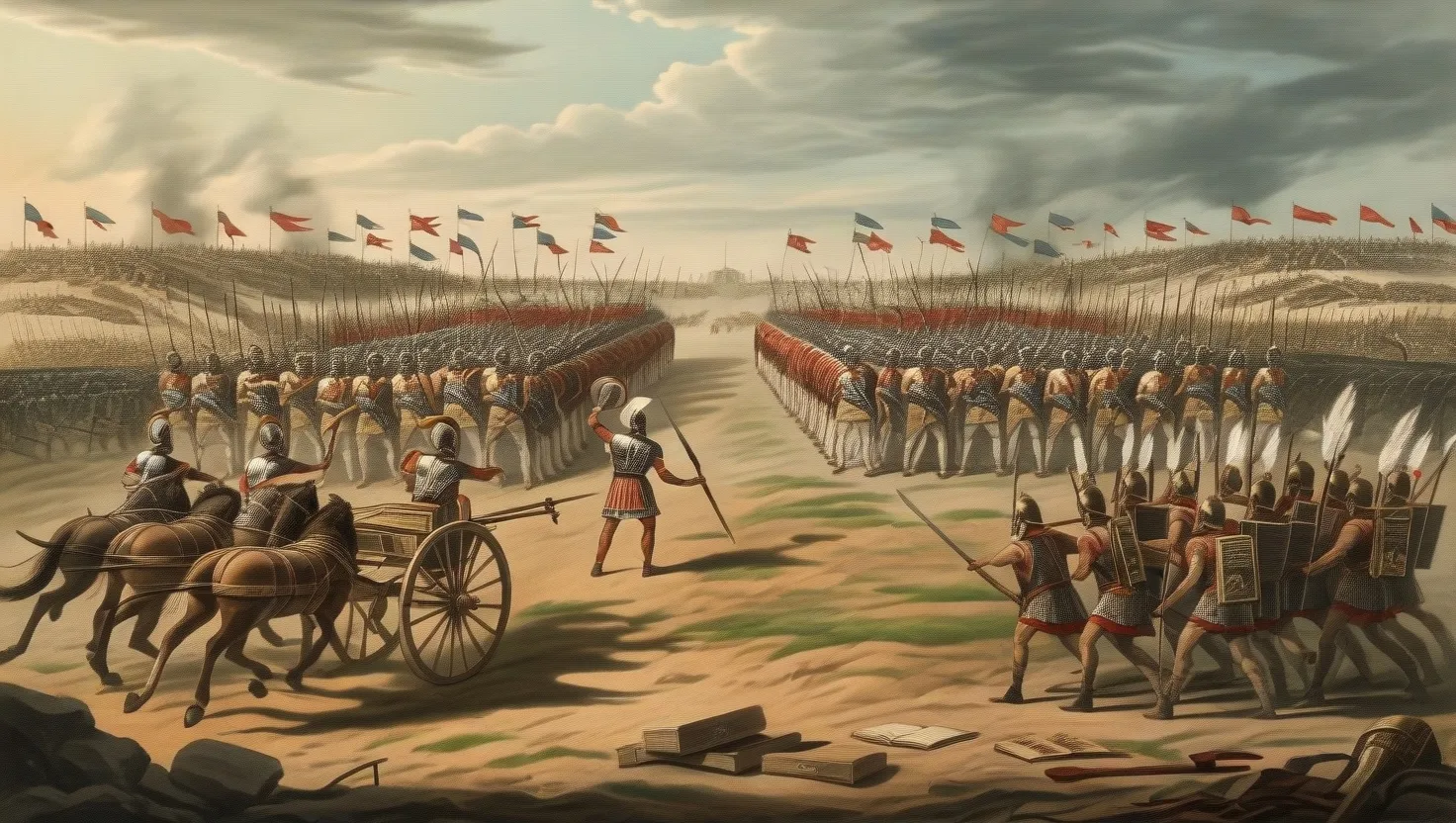
Here’s where my understanding really shifted. Kurukshetra begins as a battlefield—a place chosen for military conflict. But the moment Krishna speaks the Bhagavad Gita on that field, the location transforms into something else entirely. The same soil that would absorb blood becomes sacred ground where ultimate spiritual truths are revealed.
Think about what this means. The environment doesn’t change its physical properties. It’s still a plain that will become muddy with rain and blood. But its spiritual meaning expands. A place associated with death becomes a place where liberation is taught. The location itself seems to contain contradictions—brutal and sacred, destructive and enlightening, earthly and divine.
The battlefield elevated what might have been a private family conflict into a cosmic struggle. The specific location gave permission for the Pandavas to question their own actions at a profound level. Had this conversation happened in a palace chamber, it might have felt like philosophical debate. On a battlefield, with death imminent, with the weight of dharma and adharma literally surrounding them, the words carry different weight. The place sanctified the discussion.
This raises an interesting point: does environment shape our capacity for certain kinds of thoughts? Can we have genuine spiritual insight in superficial spaces? The Mahabharata suggests that some locations naturally invite deeper thinking while others encourage distraction.
Mountains as Final Judges
The last journey of the Pandavas toward the Himalayas carries profound meaning that often gets overlooked. These aren’t mountains they’re climbing for adventure or conquest. They’re climbing toward death and liberation. Each brother falls away as they climb, unable to continue.
The environment is literally testing them. The altitude demands strength. The cold demands endurance. The treacherous paths demand focus. But more than that, the mountains force them to release attachments one by one. Each brother’s fall represents the moment when their earthly burden becomes too heavy to carry further.
Yudhishthira is the last to climb, and he climbs alone. The mountains have stripped everything—companions, physical comfort, the distractions of governance and family. What remains is bare essentiality. The location itself performs the role that philosophers would describe through words. The mountains say through their very existence what sermons could never convey as powerfully.
Caves and Hidden Wisdom
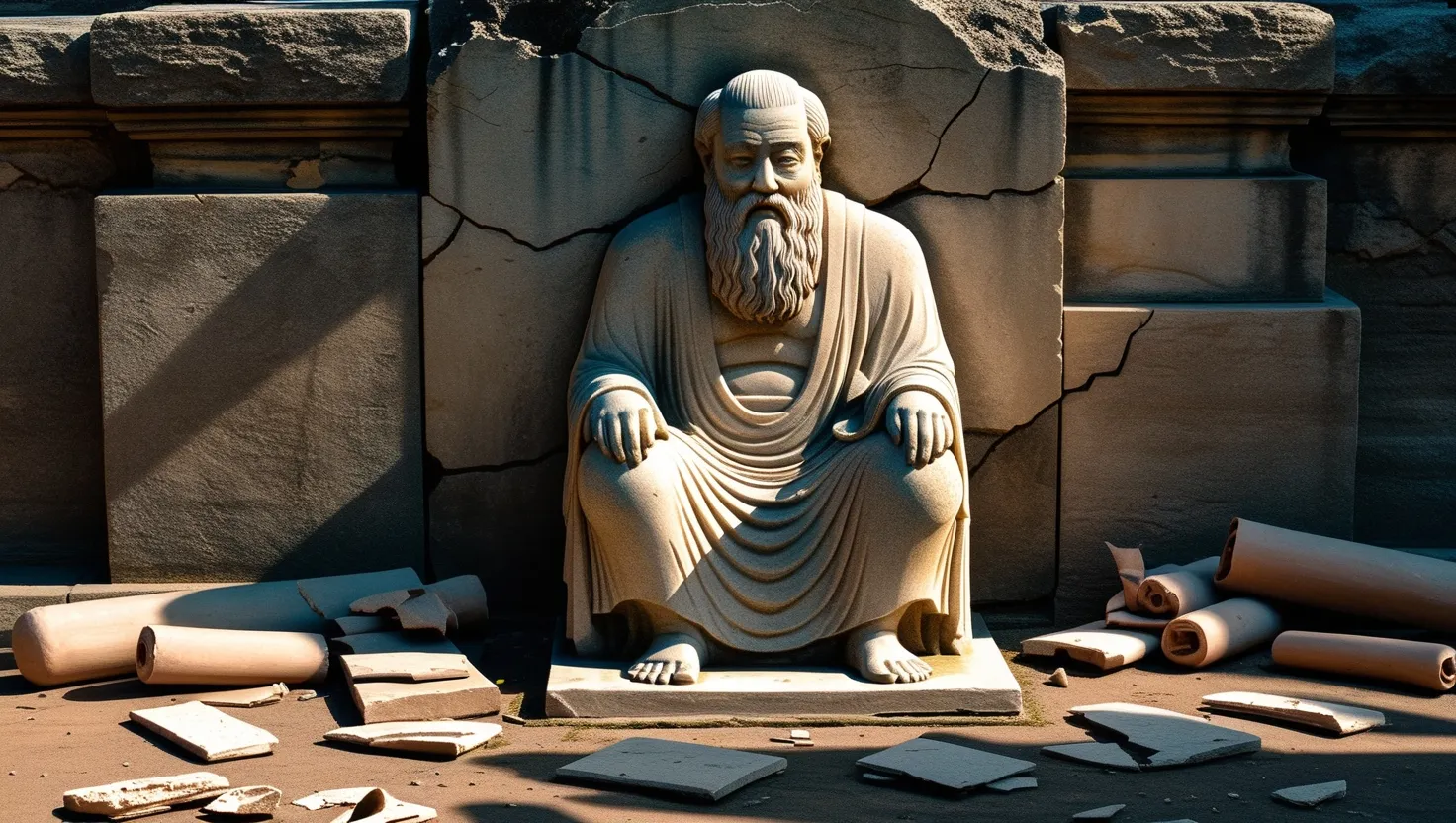
Small spaces deserve attention too. Vidura’s simple dwelling contained more wisdom than Hastinapura’s treasure rooms. When characters needed truth, they often found it in modest forest ashrams and cave hermitages rather than in palaces. This pattern appears repeatedly, suggesting that environment shapes not just how we think but what we’re capable of understanding.
A palace surrounded by servants and ceremony creates certain limitations. Truth gets filtered through protocol. Words get measured by social position. But in a simple cave or forest hut, these barriers dissolve. The clarity isn’t artificial or diluted by court politics. The location itself seems to strip away pretense.
The Conversation We’re Not Having
So here’s the question I want you to sit with: if environment shapes character this profoundly, what does that say about how we design our modern spaces? We spend so much time thinking about personal development and moral growth, but we rarely think about whether the buildings and spaces we occupy actually support those goals.
The Mahabharata shows us that landscape isn’t passive. It’s alive with influence. Every hill, river, and building in that epic teaches lessons through its mere existence. The forests teach humility. The palaces teach the limits of luxury. The rivers teach about transformation and consequence. The mountains teach about release.
What are your spaces teaching you? What would change about your own growth if you paid attention to how your environment shapes who you’re becoming?
The Mahabharata’s greatest insight might be this simple truth: we are not separate from the places we inhabit. We’re in constant conversation with them. The ground beneath our feet influences the thoughts in our heads more than we typically admit. The epic reminds us that we’re not merely moving through environments. We’re being shaped by them, tested by them, transformed by them. And that transformation is often exactly what we need, even when—especially when—we don’t recognize it as happening.