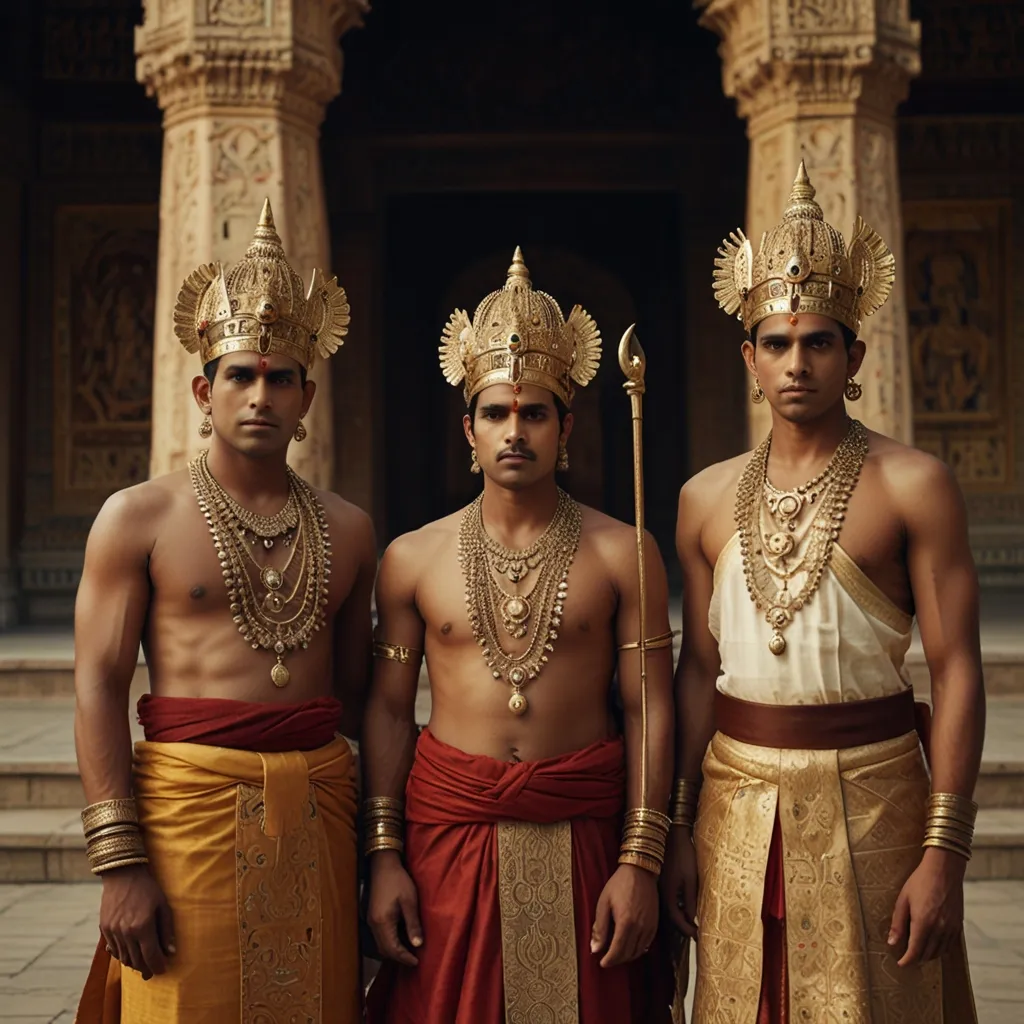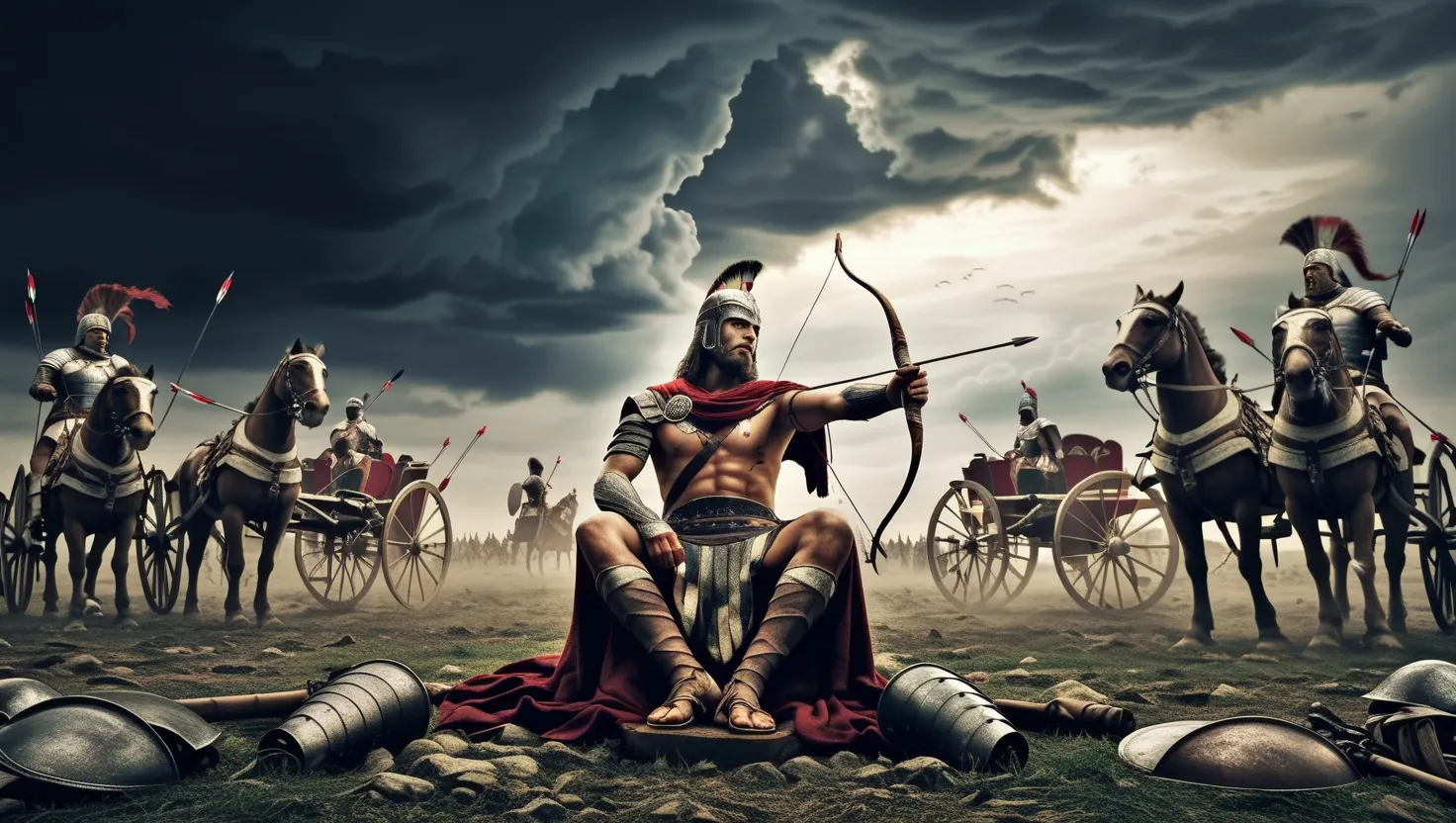
Imagine sitting down with me as I pull out this ancient storybook called the Mahabharata. You know the one—it’s that massive Indian epic about a huge family war. Everyone talks about the big wins, like Arjuna’s arrows flying true or Krishna’s clever plans. But let me tell you something fresh: the real magic happens in the flops, the stumbles, the moments when even gods and heroes trip over their own feet. These aren’t just slip-ups. They’re the cracks that let the light in, shaping the whole tale. Stick with me, and I’ll walk you through it like we’re chatting over tea, pointing out the hidden bits most folks miss.
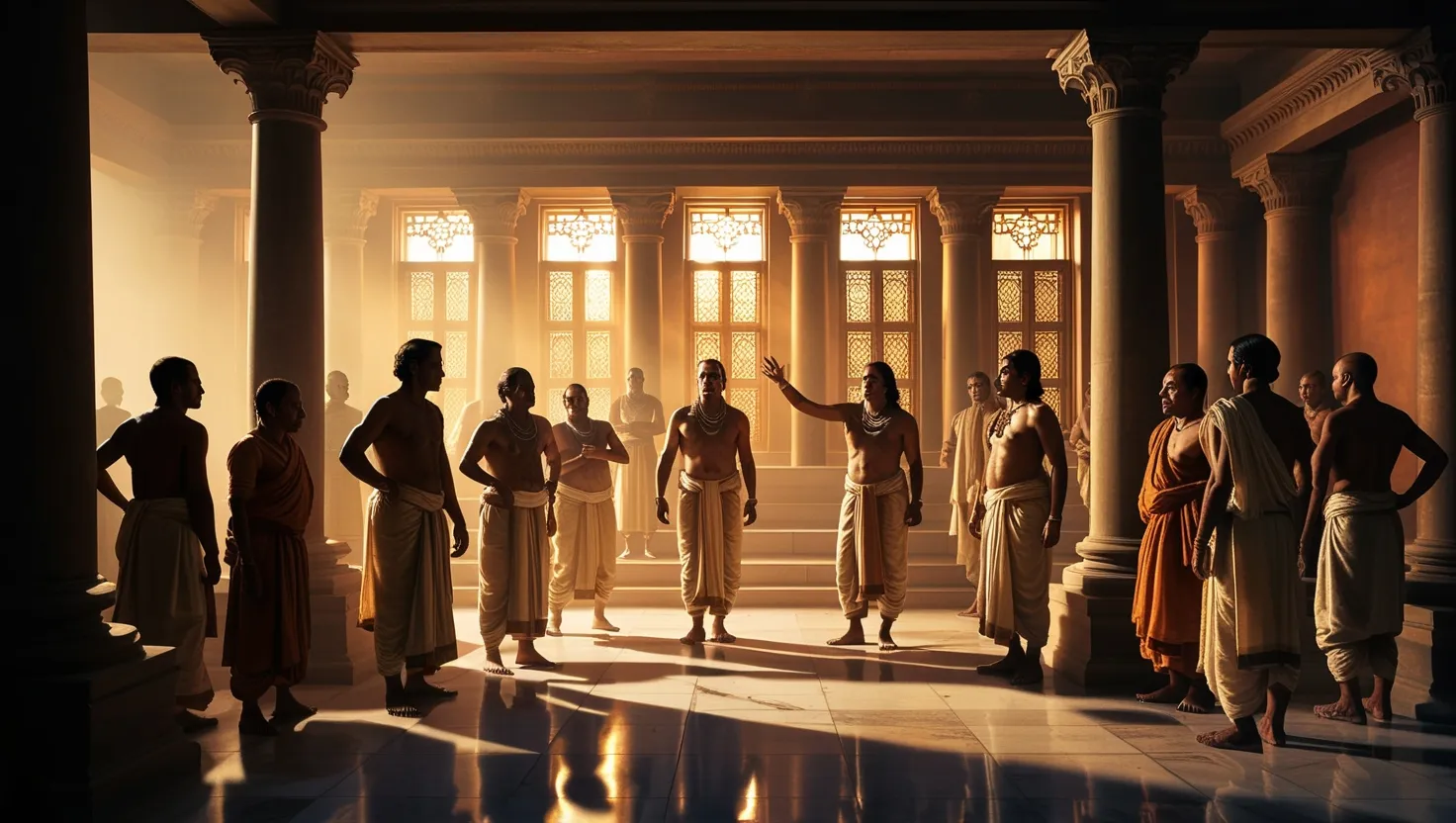
Think about Yudhishthira first. He’s the good guy, right? The eldest Pandava brother, always Mr. Righteous. But here’s a twist you might not have heard: his biggest mess came from being too stuck on rules. Picture this: he’s at a dice game, and the other side cheats big time. He loses his kingdom, his brothers, even his wife Draupadi. Why? Because the game said so. He could’ve said no, but no—he followed the letter of the law, ignoring its heart.
“Truth is the highest dharma,” he once swore by it. But what if truth without smarts is just a trap?
His rigid goodness almost let evil win the day. Later, he hesitates to fight bad guys because “non-violence.” Come on, man—when does that ever work against cheats? He wins the throne in the end, but only after massive blood. Ever wonder: if Yudhishthira bent the rules just a bit, would the war even happen? His failure teaches us: too much principle without street smarts is like a sword that cuts your own hand.
Now, shift to Bhishma. This guy’s a legend—grand-uncle to everyone, unbeatable warrior, wise as an owl. But his flop? A silly vow he took young. He promised to never claim the throne or marry, all to please his dad. Sounds noble, but it chained him. He watches the kingdom rot under bad kings like his nephew Duryodhana. He knows everything’s going wrong but can’t lift a finger against the throne.
I mean, imagine knowing a train wreck’s coming but sitting tied to your seat. Bhishma advises, “Don’t do war,” but stays loyal to the wrong side. His vow turns him into a bystander in his own life’s story. Lesser-known fact: in some old tellings, he even trains the Pandavas and Kauravas equally, creating his own enemies. Genius gone wrong. What if he broke that vow early? Would the whole mess unravel? His life screams: loyalty’s great, but blind loyalty is a prison.
Karna grabs me next. Poor guy, born to royalty but dumped in a river, raised low. He’s got skills for days—best archer after Arjuna, gives away anything asked. But resentment eats him alive. Every gift, every win, is to shout, “See? I’m not trash!” Duryodhana spots this and makes him a king. Karna sticks like glue, even when he learns he’s a Pandava. Why? That old hurt won’t let go.
“Generosity is my nature,” Karna boasts. Yet it fueled the wrong fire.
Unconventional angle: his mom Kunti begs him to switch sides day before battle. He says no, but promises mercy to her other sons—except Arjuna. Bitterness picks his team. He dies noble but on the losing, evil side. Question for you: can you be great if hate drives you? Karna shows failure isn’t lack of talent—it’s letting scars steer the ship.
Duryodhana, the villain we love to hate. He’s not cartoon evil. His fail is seeing the world through pride-glasses. Pandavas get good stuff? Must be stealing from me! He ignores their hard work, gods’ blessings. Envy turns brother-rivalry into kill-everyone war. Fun fact most skip: he actually beats Bhima fair in club fight at end, but cheats by thigh-strike. Entitlement made him blind.
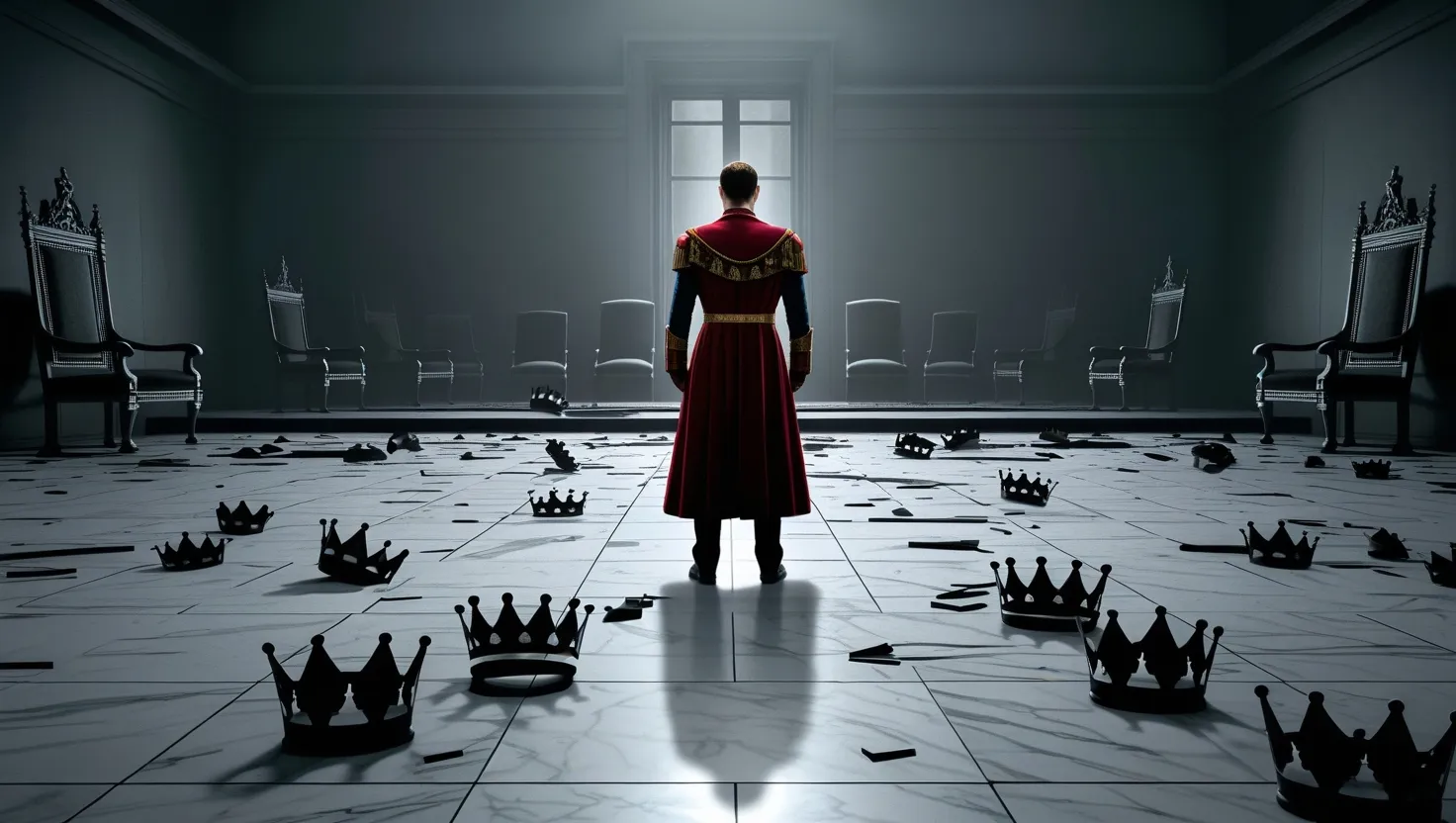
Ever think: what if Duryodhana shared the kingdom? No 18-day slaughter. His perception flop turns a rich kid’s sulk into history’s bloodiest family feud. He wears the crown, but it’s thorns, like the topic says. Makes you ask: is your view of “mine” blinding you too?
Draupadi—fiery queen, shared wife of five brothers. Her rage at the dice hall? Spot on. They try stripping her, she questions dharma itself. Her oath for revenge? Brave. But here’s the hidden pain: it dooms her sons. Kauravas kill them all in sleep. Her justice cycle spins out of control.
“Where is dharma when a woman is shamed?” she cries. Valid, but oh, the cost.
She wins accountability—bad guys die—but loses everything dear. Unconventional take: her fury locks peace out forever. Imagine if she forgave? War skips a beat. Failure here: right anger without end-game vision leaves ashes. What would you do in her sari?
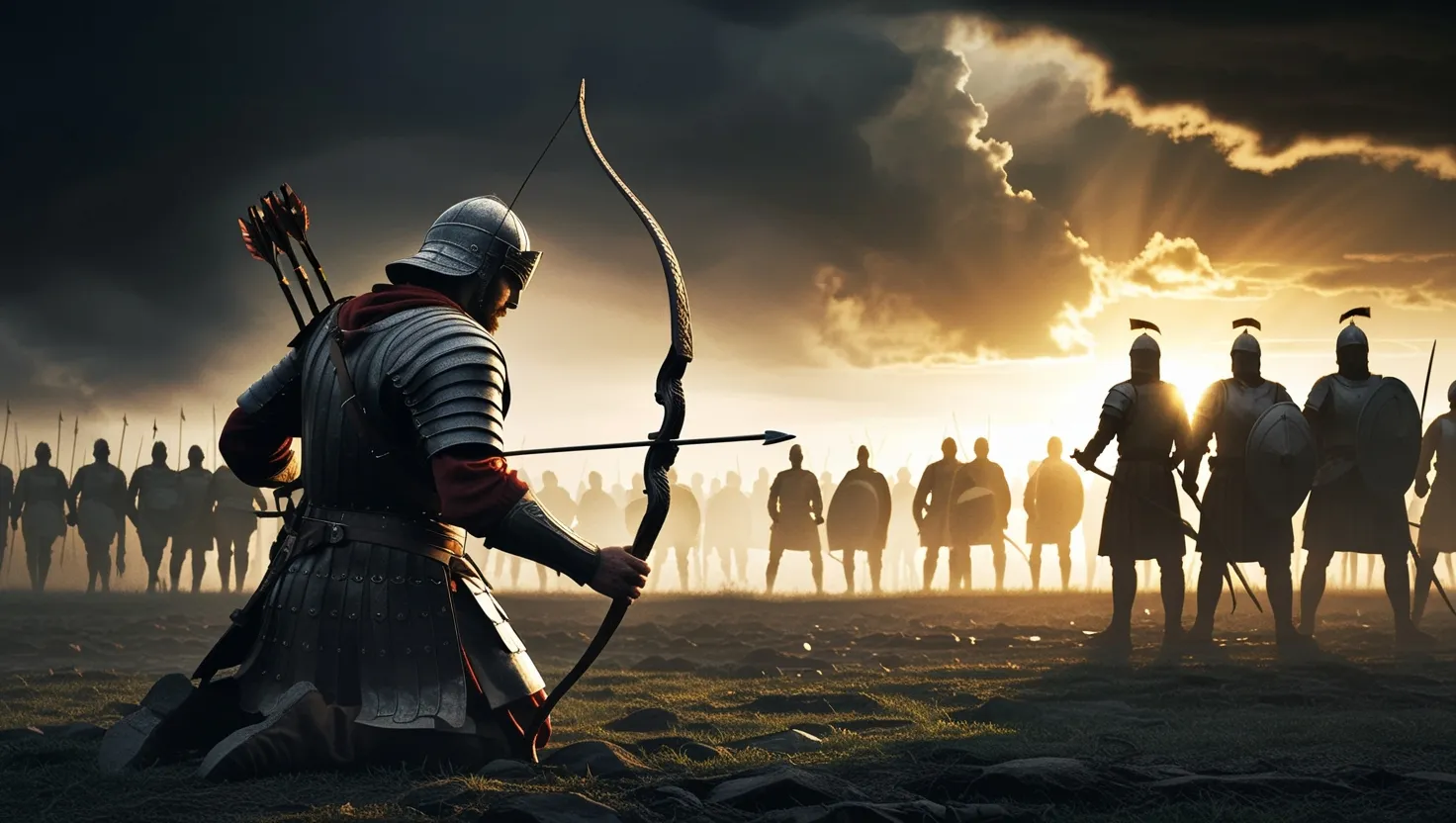
Arjuna’s battlefield breakdown—everyone knows the Gita starts it. But dig deeper: it’s not cowardice. He sees uncles, teachers, cousins on enemy lines. Arrows will pierce family hearts. He drops his bow. Boom—Krishna lectures on duty.
This “failure” births the epic’s soul. Without it, no Bhagavad Gita. Lesser-known: Arjuna’s doubt mirrors our everyday freezes. Heart vs. job. He triumphs by failing first.
“My limbs quiver, mouth dries,” Arjuna laments. Sound familiar?
Question: when’s the last time your heart stopped you—and led to breakthrough? His flop forges clarity.
Even Krishna stumbles. Divine dude, puppet-master. He tries peace talks last minute. Fails hard. Hatred’s too thick. His big-picture view says war cleanses evil, but humans won’t buy it.
I tell you, try this: Krishna’s embassy flop makes war destiny. He guides Arjuna, drives his chariot—wins battles—but loses peace. Cosmic fail in human clothes. What if he forced peace? No epic lessons. His shortcoming sparks the forge.
These aren’t side notes. They’re the fuel. Mahabharata whispers: perfect people bore us. Flawed ones? They build worlds from wrecks. Yudhishthira’s rule-blindness, Bhishma’s vow-jail, Karna’s grudge-anchor—they clash, creating destiny’s weird path.
Let me share a quirky angle: think of it as a bad recipe. Too much salt (Yudhishthira’s dharma), burnt edges (Bhishma’s loyalty), sour grudge (Karna)—yet the dish feeds millions for ages. History’s not hero parades. It’s stumble-steps.
Ever notice how post-war, survivors limp? Yudhishthira rules a ghost kingdom, haunted. Draupadi childless. Arjuna depressed. Victories feel empty. That’s the twist: wins built on fails taste bitter.
Pull back: Mahabharata’s from maybe 3000 years ago, but hits now. Your job flop? Relationship mess? They forge you tougher. Like these heroes, your limits write your story.
“All men make mistakes,” says a wise voice in the epic. “But a good man yields to good advice.”
What failure’s forging you right now? Lean in. The epic says: don’t fear the fall. It’s the rise’s secret.
Now, lesser-known gems. Did you know Bhishma lies on arrow-bed for 58 days, teaching law till sun turns north? His death-wait shows failure’s long shadow. Or Karna’s curse trio: one makes wheel stick in battle, another forgets spell, third bad aim. Fate piles on personal flops.
Draupadi’s lesser spotlight: she laughs at Duryodhana’s pool slip early on, planting his hate-seed. Tiny fail snowballs to war. Unconventional: women’s words as weapons too.
Krishna’s peace fail has a secret sauce—he shows his cosmic form to Dur-yodhana, who laughs it off. Divine demo ignored. Humans gonna human.
Yudhishthira post-war asks: why suffer good people? Epic’s reply: life’s mix. No pure wins.
Imagine directing these folks: “Hey Karna, drop the chip!” But no—they’re us. Stumbly, real.
Question time: which failure hits home? Yudhishthira’s rule-stick? Karna’s hurt-hold?
The engine hums on. Pandavas exile? Yudhishthira’s dice-loss. Draupadi cheerharan? Same. Kurukshetra? All piled flops.
Fresh view: it’s anti-hero tale. No Supermans. Flawed Janes and Joes win ugly.
Even gods fail humanly. Krishna dies later, leg smashed by hunter—mistakes him for deer. Divine oops.
Wrap your head: Mahabharata’s power? Shows destiny from “can’ts” as much “cans.” Your stumbles? Gold mines.
“The world is a chariot; dharma its wheels,” but wheels slip on flaws.
So next time life trips you, smile. You’re in epic company. What flop’s next plot twist? Tell me—I’m listening.
(Word count: 1523)