What’s the Secret Power Hidden in Your Chakras?
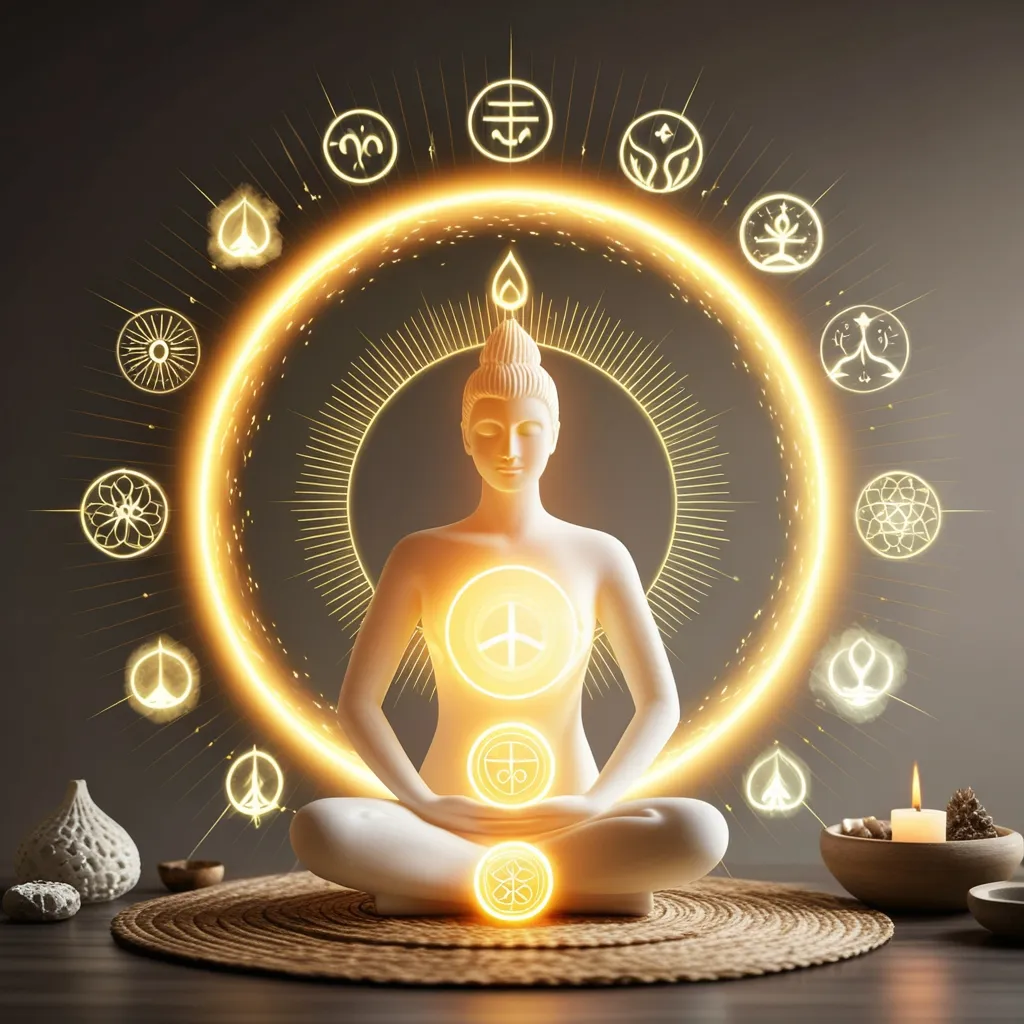
Mystical Energy Wheels: Ancient Chakras Light Up Modern Wellness
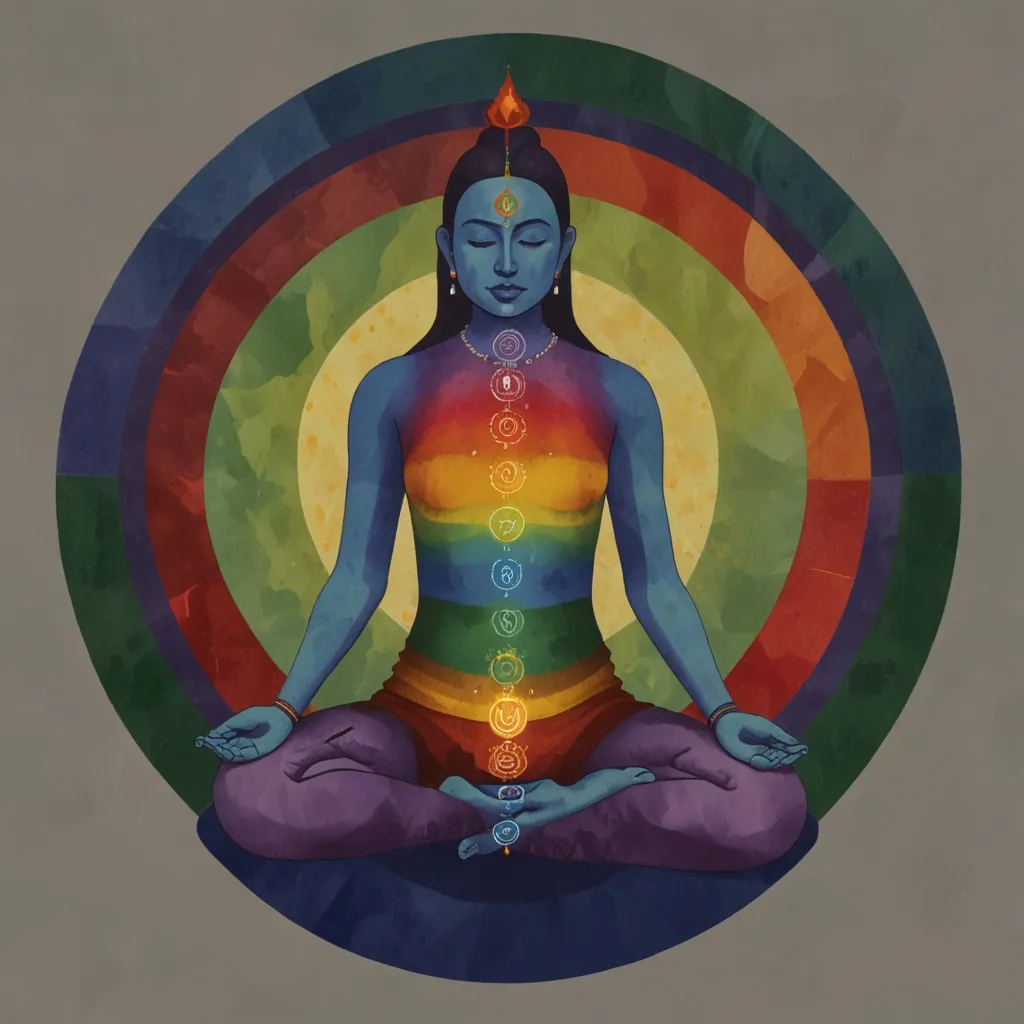
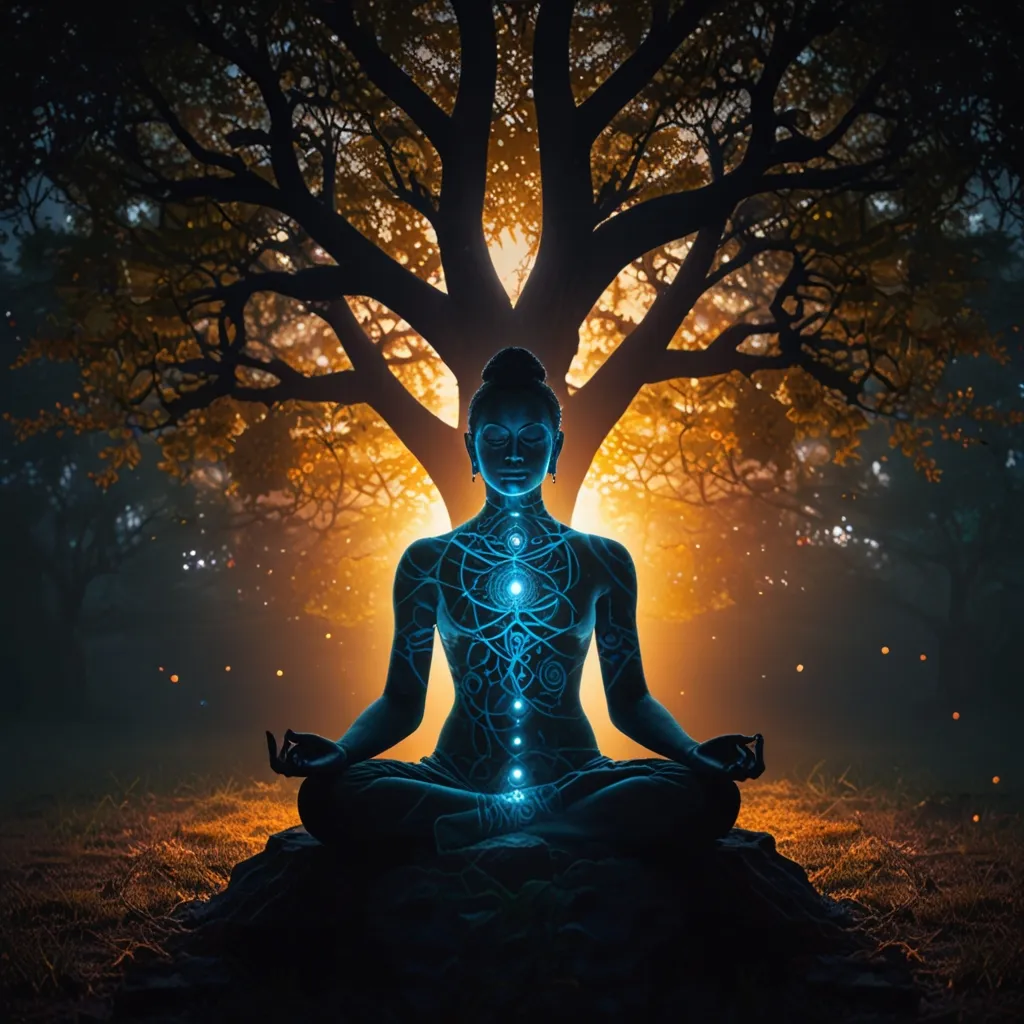
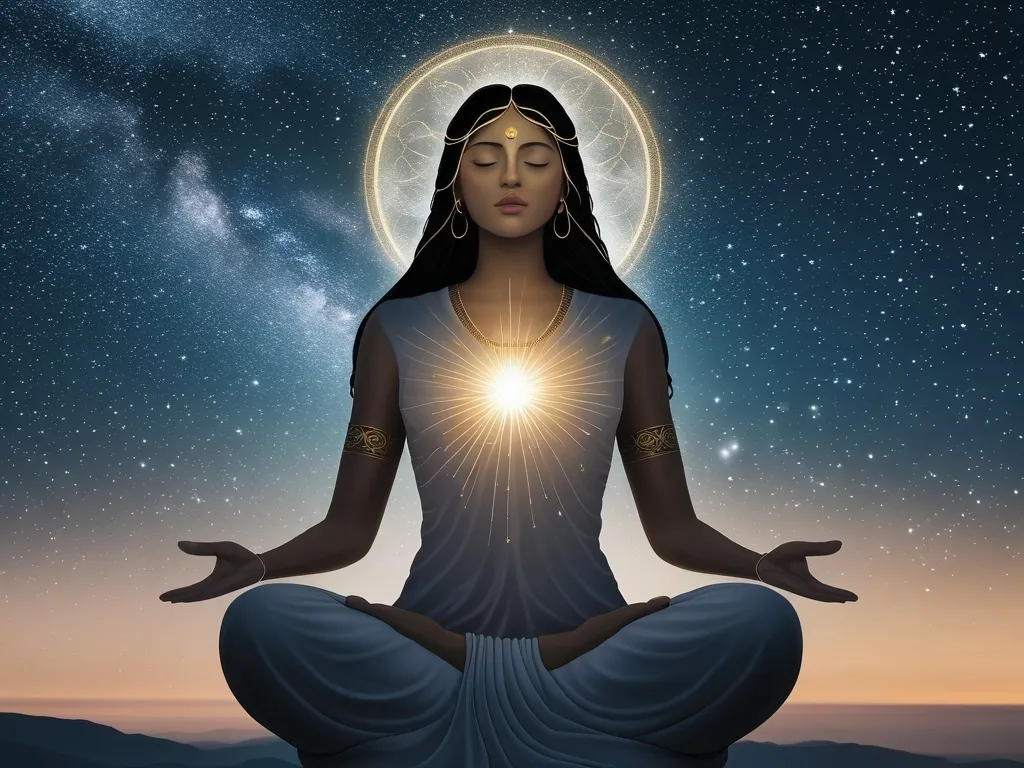
Hinduism and chakras go hand-in-hand, pretty much like peanut butter and jelly. The whole idea is that our bodies aren’t just flesh and bones; there’s also this energy body made up of channels called nadi. These channels get connected through nodes of energy called chakras, which are often visualized as spinning wheels up and down our spine.
It’s interesting how the count of chakras varies depending on who you ask. Some traditions stick to three main chakras, while others go all out with seven or even more. Most folks, though, recognize the seven-chakra system: Root, Sacral, Solar Plexus, Heart, Throat, Third Eye, and Crown. Each chakra supposedly vibes with certain colors, sounds, and even deities, and they play a big role in everything from physical wellness to spiritual awakening.
Let’s take a quick tour of these chakras. The Root Chakra, down at the base of the spine, is all about feeling secure and surviving. Picture it as a red lotus with four petals. The Sacral Chakra, down in the lower abdomen, is your creativity and desires hub. It’s visualized as an orange lotus with six petals. Moving up to the Solar Plexus Chakra in the upper abdomen, which connects to your personal power and confidence; think of it as a ten-petaled yellow lotus.
Right in the center of your chest is the Heart Chakra, synonymous with love and compassion, generally seen as a green lotus with twelve petals. Your neck hosts the Throat Chakra, all about communication and self-expression, symbolized by a sixteen-petaled blue lotus. The Third Eye Chakra between your eyebrows deals with intuition and perception, looking like a two-petaled indigo lotus. Finally, the Crown Chakra at the top of your head, linked to spiritual consciousness, is depicted as a violet lotus with literally a thousand petals.
These chakras aren’t just some mystical mumbo-jumbo; they’re believed to have a real, palpable impact on our lives. A balanced chakra can mean good health and happiness, while an imbalanced one might bring physical, emotional, or spiritual troubles. Practices like yoga and meditation get a lot of credit for keeping these energy centers balanced and buzzing.
This chakra idea isn’t stuck in Hinduism alone; interestingly, it pops up in Buddhism too, albeit with a bit of a twist – typically dealing with four primary chakras, though some texts mention more. Over time, the chakra system has spread and evolved, picking up influences from various spiritual and healing practices.
Today, you’ll see the seven-chakra model being particularly popular in the West, and it’s often linked with specific colors and traits. It’s fascinating how chakras, once an ancient concept, have made their way into modern holistic practices like Ayurveda and even some contemporary therapies.
In a nutshell, chakras are vital energy points in our body that Hinduism believes are crucial for our well-being. They supposedly influence everything from our physical health to our emotional and spiritual state. Keeping these chakras balanced is seen as a pathway to a more harmonious and fulfilling life. Cool, right?