How Does Navratri Transform Your Life in Just Nine Nights?
Embrace Divine Energy: Navratri's Journey Through Strength, Fortune, and Wisdom
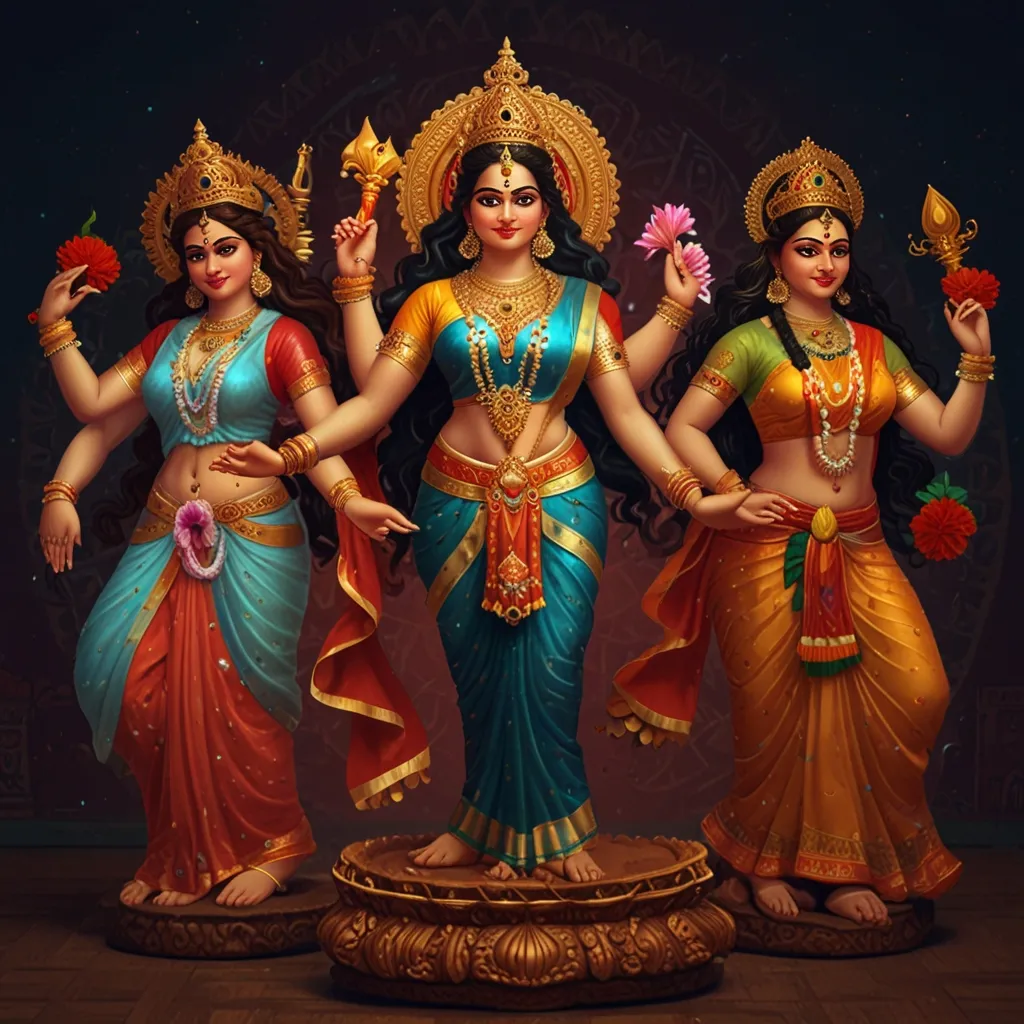
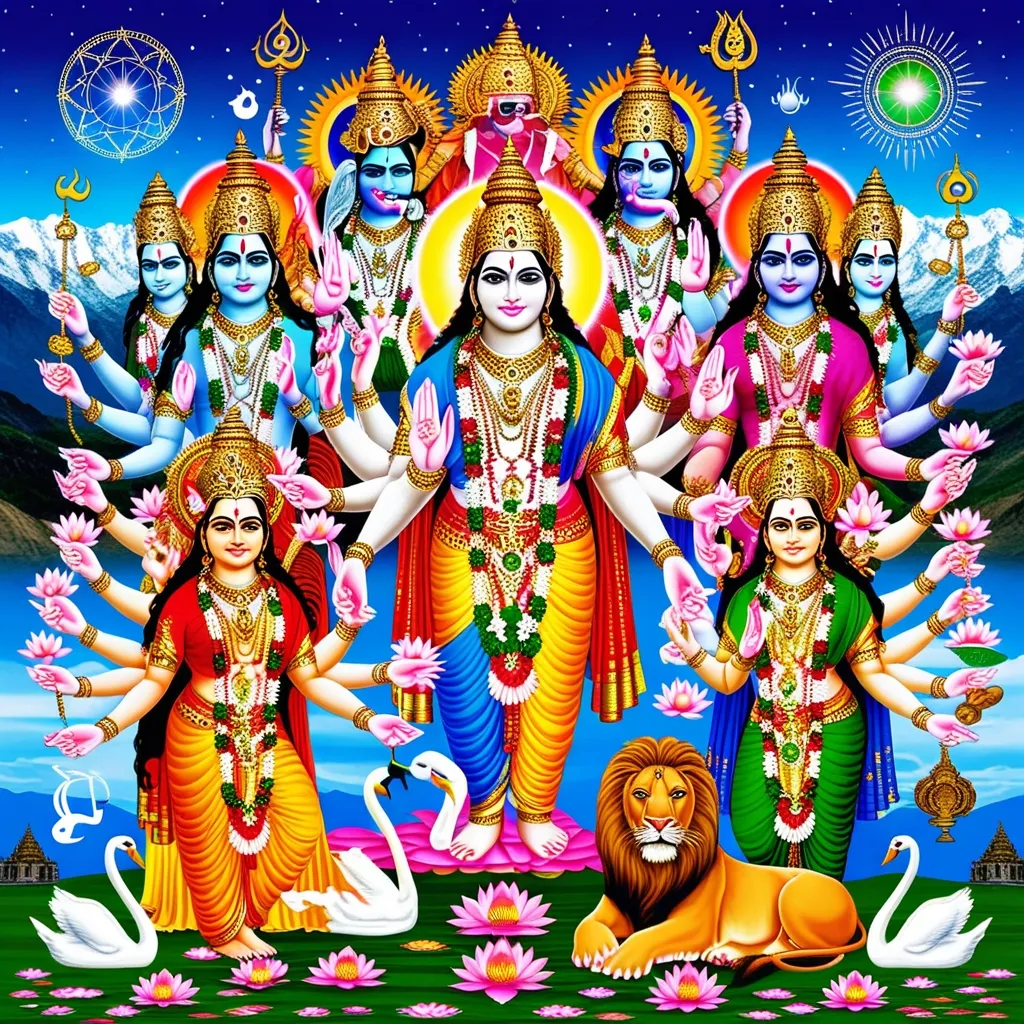
Navratri is this uber awesome nine-night festival where Hindus celebrate the divine feminine and the victory of good over evil. It usually pops up in September or October and revolves around three major goddesses: Durga, Lakshmi, and Saraswati.
First off, Durga. Think of her as the ultimate energy, strength, and protection goddess. She’s like this fierce warrior chick defeating the demon Mahishasura, reminding us that good always wins over evil. During the first three nights, folks worship Durga, fast, and meditate to get rid of physical impurities and vital energy funk.
Next up, Lakshmi takes the stage for the following three nights. She’s the goddess of wealth, good fortune, and beauty. Now, it’s not just about piling up cash; Lakshmi also stands for spiritual values and mental purification. Worshiping her helps people sharpen their mind and stay focused.
Wrapping it up, Saraswati rules the final three nights. She’s all about knowledge, music, and art. Basically, she represents the highest form of knowledge—self-awareness. These three nights are the time to give the mind a good scrub with some deep understanding and learning.
Different regions in India have their own cool way of celebrating Navratri. In Gujarat, it’s all about the Garba dance. Picture this vibrant folk dance happening around a lit clay lantern. It’s symbolic of the life cycle, with the divine constantly present. Down in South India, you’ll find Golu, where families display idols telling religious stories and community events. They also sing devotional tunes and share delicious traditional meals.
Navratri isn’t just fun and dances; it’s a time for spiritual cleansing and transformation. The festival breaks down into three cycles. Durga’s cycle purifies the body and vital energy. Lakshmi’s cycle clears emotional baggage. Finally, Saraswati’s cycle takes care of the mind.
Many people use this time to fast, meditate, and carry out rituals. The fasting is believed to cleanse both body and mind, while meditation and prayer bring individual consciousness closer to the divine. Gratitude plays a big role too, with many folks performing Ayudha Puja, which is worshipping the tools of their trade.
What’s cool about Navratri is that it’s open to everyone, regardless of their beliefs. You could be fasting and meditating, getting your groove on with Garba, or just enjoying the sights and sounds. The festival is all about recognizing the divine energy within us and appreciating the world around us.
So yeah, Navratri is this amazing celebration packed with deep meaning, honoring Durga, Lakshmi, and Saraswati. It’s all about purifying ourselves inside out, leading to a balanced and harmonious life.