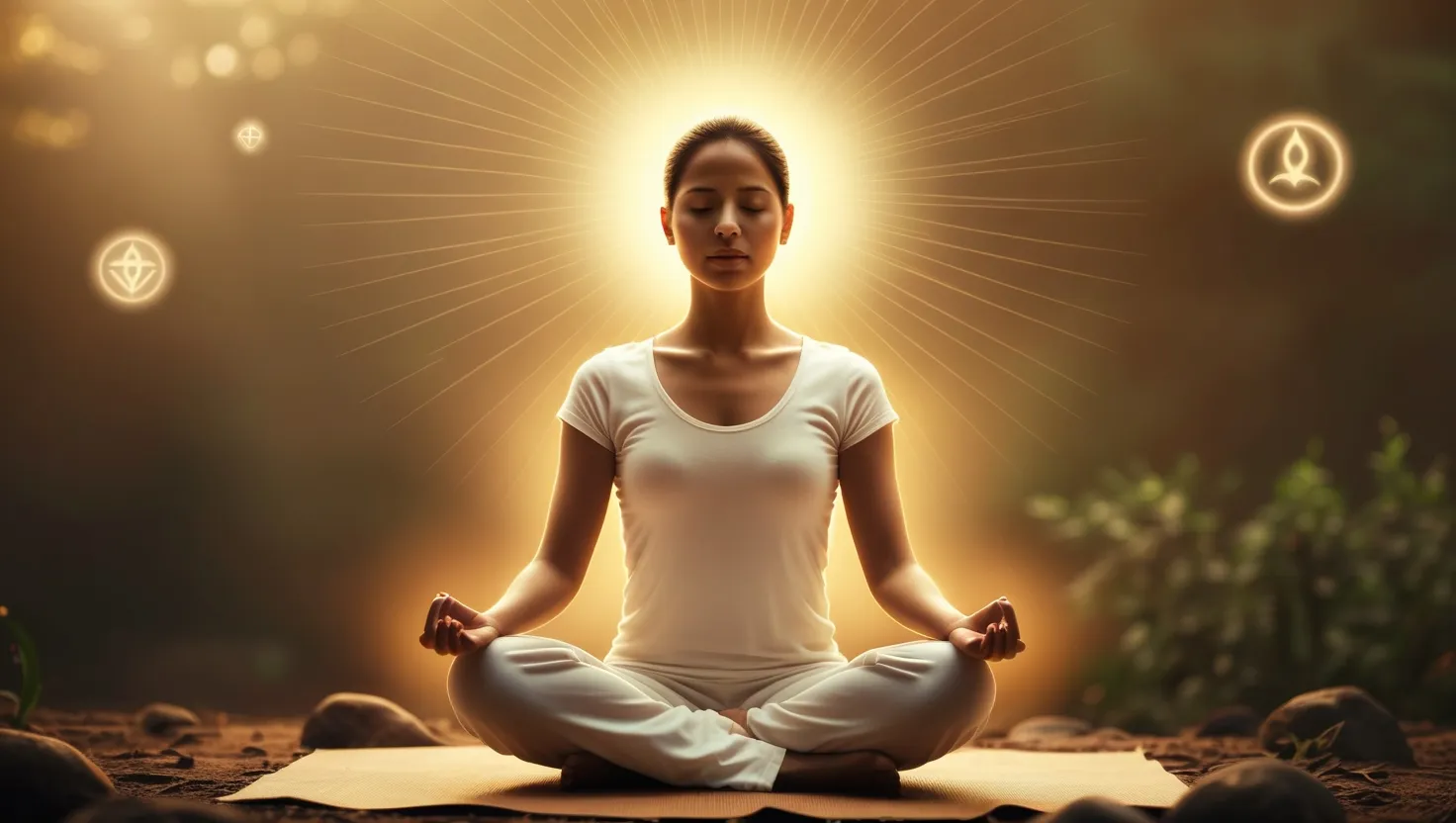
Imagine you’re sitting quietly, eyes closed, and suddenly something inside you just knows. Not because a book told you, or someone argued it logically. You feel it deep in your bones. That’s Anubhava—direct experience—in Hindu philosophy. It’s the top boss of all ways to know truth. Let me walk you through this step by step, like we’re chatting over tea. I’ll keep it super simple, because this stuff changes lives if you get it right.
Hindu thinkers say knowledge has levels. Books and logic? They’re helpers. But real knowing? That’s when you taste it yourself. Anubhava means you grab truth straight from your own awareness. No middleman. Think of scriptures like the Vedas as road signs. They point you somewhere amazing, but you have to walk the path and see it for yourself.
Here’s a fun question: Have you ever memorized a recipe but burned the cake anyway? Exactly. Reading about sweetness isn’t the same as eating the cake. Hindu philosophy says the same about truth. Direct experience beats everything else.
“The scriptures are like a finger pointing at the moon. The fool stares at the finger; the wise see the moon.” — Ancient Upanishadic wisdom
Saints like Ramana Maharshi lived this. He didn’t study for years in some school. One day, as a teen, fear hit him hard. He faced it head-on and boom—pure knowing flooded in. No books needed. His whole life became proof. People came from everywhere, not for his words, but because his eyes shone with that inner light. You could feel it. That’s Anubhava in action.
Now, try this yourself. Sit still for five minutes. Watch your breath. Notice what happens inside. Does something shift? That’s the start. Hindu ways aren’t blind faith. They’re experiments. Do meditation. Repeat a mantra. Ask “Who am I?” like Ramana did. Watch what pops up in your mind. Test it. If it brings peace or clarity, it’s real for you.
This flips the usual power setup. Gurus guide you, sure. But your experience is the final judge. A teaching works only if you feel the change. No guru can force it. This keeps things fresh—no stiff rules that nobody questions. Everyone’s invited to check for themselves.
What if your guru says one thing, but your heart says another? Trust your heart. That’s the rule. It makes spirituality open to anyone—a farmer, a kid, you. No fancy degree required.
Modern science does something similar. Scientists mix chemicals, watch reactions, repeat it. Yogis mix attention with breath, watch the mind, repeat it. Both chase what you can see and measure yourself. The yogi’s lab? Your own head and body. Data? Feelings and thoughts you track closely.
But here’s a twist most miss: Hindu thought splits experience into types. Eyes see a tree—that’s basic sensing. Brain puzzles it out—that’s thinking. Deepest? Knowing your true self, called Atma Sakshatkara. It’s like meeting the boss behind all bosses. Sensing and thinking are great for the world. But self-knowing changes everything forever.
“Direct experience is the only pramana that reveals the Atman.” — From the teachings of Adi Shankara
Ever argued about God with a friend? Words go round and round. Hindu view says stop talking. Go feel it. Debates are fun, but they’re shadows. The quiet person who knows inside beats the loud debater every time. This builds humility. Smart ideas are nice, but living truth? That’s gold.
Picture this lesser-known angle: Female saints like Andal. In ancient times, women rarely wrote big texts. But Andal poured her heart into poems from pure love-experience of God. No logic classes. Just her soul’s fire. Crowds wept hearing her words because they rang true. Her life proved Anubhava doesn’t care about your status.
Question for you: What’s one thing you “know” from books that feels empty inside? Now, what’s one truth you learned the hard way, through pain or joy? See the difference? Anubhava is that hard-way knowing, but on purpose.
Let’s get practical. How do you chase this? Start small. Pick one practice. Say, watch your thoughts like clouds passing. Do it daily. Note changes: less anger? Sharper focus? That’s your proof. Hindu texts list dozens—yoga poses, breath tricks, selfless service. All tools to stir your inner knowing.
One hidden gem: Self-inquiry isn’t just thinking. It’s diving into silence. Ask “Who feels this?” over and over. Thoughts fade. What’s left? Pure you. Ramana called it the “direct path.” No rituals, no years of waiting. Instant if you’re ready.
This idea saved mystics from traps. Imagine blindly following a holy book word-for-word. Disaster. Anubhava says test it. Does it light you up inside? Good. Does it leave you cold? Drop it. Keeps the whole tradition alive, not stuck in dust.
Compare to today’s world. Info everywhere—videos, posts, chats. We know facts about everything. But wisdom? Rare. Anubhava says focus. Be present. Let experience soak in. It shapes who you are, not just your brain.
“Jnana is not mere book-learning. It is the fruit of Anubhava.” — Ramana Maharshi
Ever tried talking across religions? “My God’s better!” Yawn. Hindu way shifts it: Share your experience. “When I meditate, peace floods me.” “My prayer does that too.” Suddenly, bridges build. Doctrines fade; shared inner states shine. This fuels real dialogue.
Unconventional view: Anubhava even questions the body. Most think senses rule. But Hindu epistemology says senses give world-knowledge only. Deeper truths? Beyond eyes and ears. Like dreaming—you “see” without light. Waking self-knowing is bigger.
What happens when you ignore this? Dogma creeps in. People fight over words, miss the point. History’s full of it. But saints? They laugh. Their experience frees them.
Try directing yourself now. Close your eyes. Feel your heartbeat. That’s direct. No app needed. Build from there. Hindu philosophy hands you the keys: Experiment boldly.
Another angle few know: Anubhava validates dreams and visions. Not as top truth, but pointers. Like a dream warns you—check your life. Saints had visions confirming their knowing. It’s all data for your inner lab.
In kids, it’s natural. A child touches fire, learns “hot.” No teacher needed. Adults forget. We trust experts too much. Reclaim that child-trust in your spirit.
Question: Ready to test? Pick tonight. Sit 10 minutes. Observe. Journal what shifts. Repeat a week. Watch magic.
This primacy empowers you. No waiting for heavens. Truth’s here, in your chest. Scriptures cheer you on, but you run the race.
Modern twist: Tech mindfulness apps mimic this. Track your mood, breathe guided. But Hindu way says drop the screen. Raw you, raw now.
Saints like Mirabai danced in ecstasy. Kings begged her wisdom. Why? Her love was felt, not explained. Anubhava’s power.
“The authority of the realized soul supersedes all shastras.” — Yoga Vasistha
Protects from fakes too. Teacher claims enlightenment? Ask for your proof. Does being near them quiet your mind? Yes? Trust. No? Walk.
Democratizes everything. Poor saint outperforms rich scholar if experience flows.
In love, same. Words charm. But felt connection? Unbreakable. Anubhava of the heart.
Science nods: Studies show meditation rewires brains. But Hindus knew—experience proves it first.
Global angle: Parallels in Sufi tasting God, Zen sitting. Universal human hack.
Direct you: Doubt this? Good. Test it. Sit now. Feel.
Endless vitality here. Each generation rediscovers. Not repeats. You verify, own it.
What if life’s pains are experiments? Face them. Gold emerges.
Female voices shine: Lalla of Kashmir roamed naked in realization. No shame. Pure Anubhava.
Question: What’s blocking your direct know? Fear? Time? Face it.
Builds resilience. Storms hit; inner knowing holds.
Today, info-fatigue kills depth. Anubhava revives: One truth, deeply felt, beats libraries.
“By direct experience alone is liberation gained.” — Brihadaranyaka Upanishad
Invites all. No caste, no creed. Your lab awaits.
Direct command: Tonight, inquire “Who am I?” Persist. See what comes.
This is living philosophy. Not museum piece. Jump in.
Lesser-known: Anubhava heals. Direct feel of wholeness dissolves illness roots.
In nature: Watch a flower open. Feel its quiet knowing. Mirrors yours.
Cross-culture: Shamans journey inward. Same primacy.
You hold the power. Experience it.
Future-proof: AI knows data. You know being.
Final nudge: Start now. Breathe. Know.
(Word count: 1523)