Hindu Philosophy of Time: Ancient Wisdom for Modern Understanding (Ultimate Guide 2024)
Discover the profound Hindu perspective on time - from cosmic cycles to consciousness. Learn how ancient wisdom about time's nature can transform your modern life and worldview. #Hinduism #Philosophy
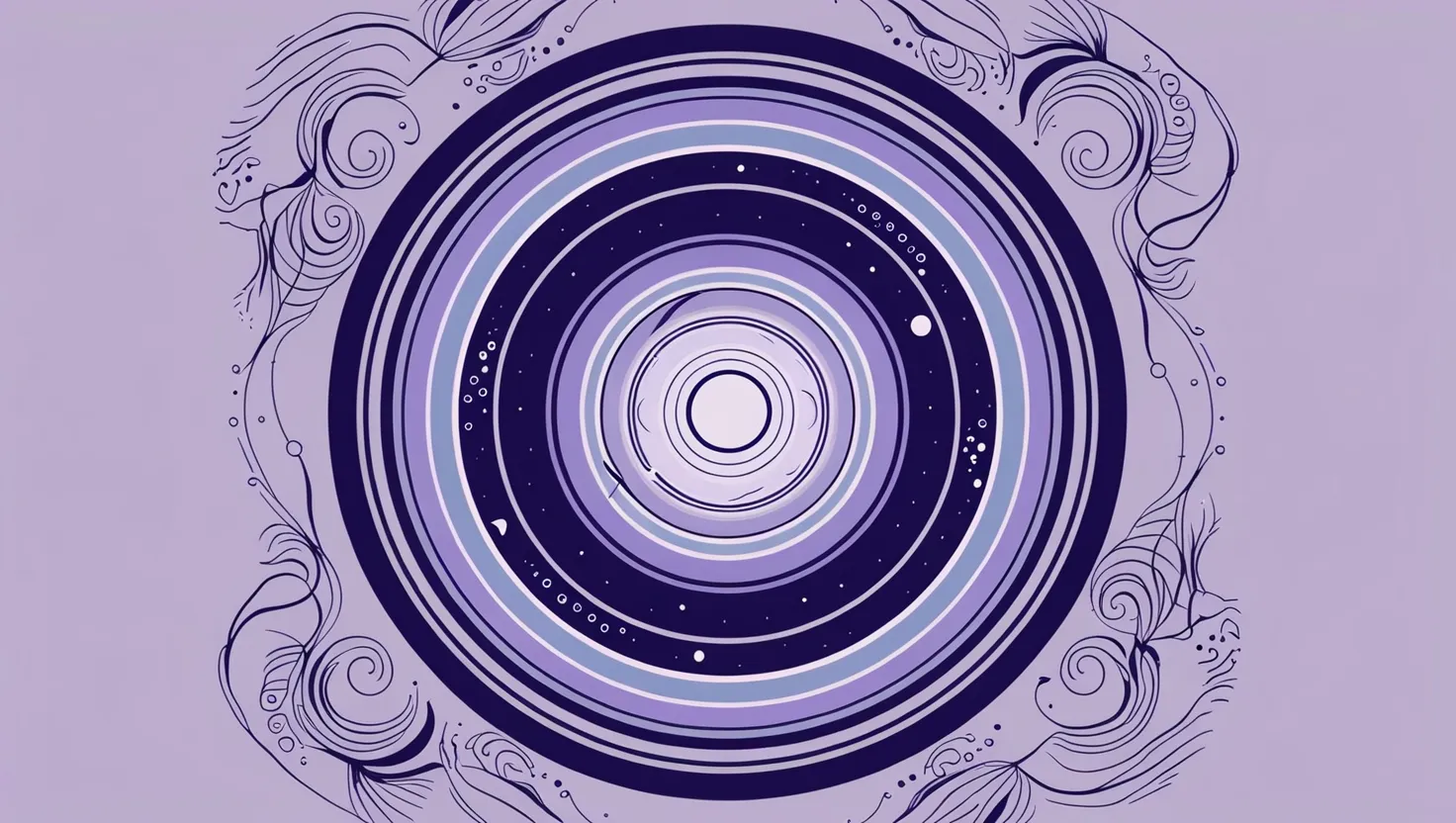
Time in Hindu philosophy is a tapestry woven with threads of cosmic cycles, consciousness, and divine order. It’s a concept that stretches far beyond our everyday understanding, inviting us to ponder the very nature of existence itself.
Imagine, if you will, a universe that breathes. It expands and contracts over vast eons, each cycle spanning billions of years. This is the grand vision of time presented in Hindu thought. The cosmos moves through great ages called Yugas, each with its own character and duration. We’re said to be living in the Kali Yuga, an age of spiritual darkness that will eventually give way to a new golden age.
But why this cyclical view? Perhaps it’s a reflection of the rhythms we see in nature - the turning of seasons, the waxing and waning of the moon, the rise and fall of civilizations. The Hindu sages saw these patterns and extrapolated them to a cosmic scale.
“Time is the seed of the Universe,” declares the Maitri Upanishad. This poetic statement hints at time’s creative power. In Hindu philosophy, time isn’t just a neutral backdrop against which events unfold. It’s an active force, shaping the destiny of all beings.
Consider Kala Bhairava, a fearsome aspect of Shiva associated with time. He’s often depicted with a garland of skulls, reminding us of time’s destructive aspect. Yet destruction in Hindu thought isn’t an end, but a necessary part of renewal. The dance of creation and destruction goes on eternally.
Have you ever wondered about the relationship between time and consciousness? Hindu philosophy offers a fascinating perspective on this. It suggests that time as we know it is a product of our limited awareness. At the deepest level of reality, all times - past, present, and future - exist simultaneously.
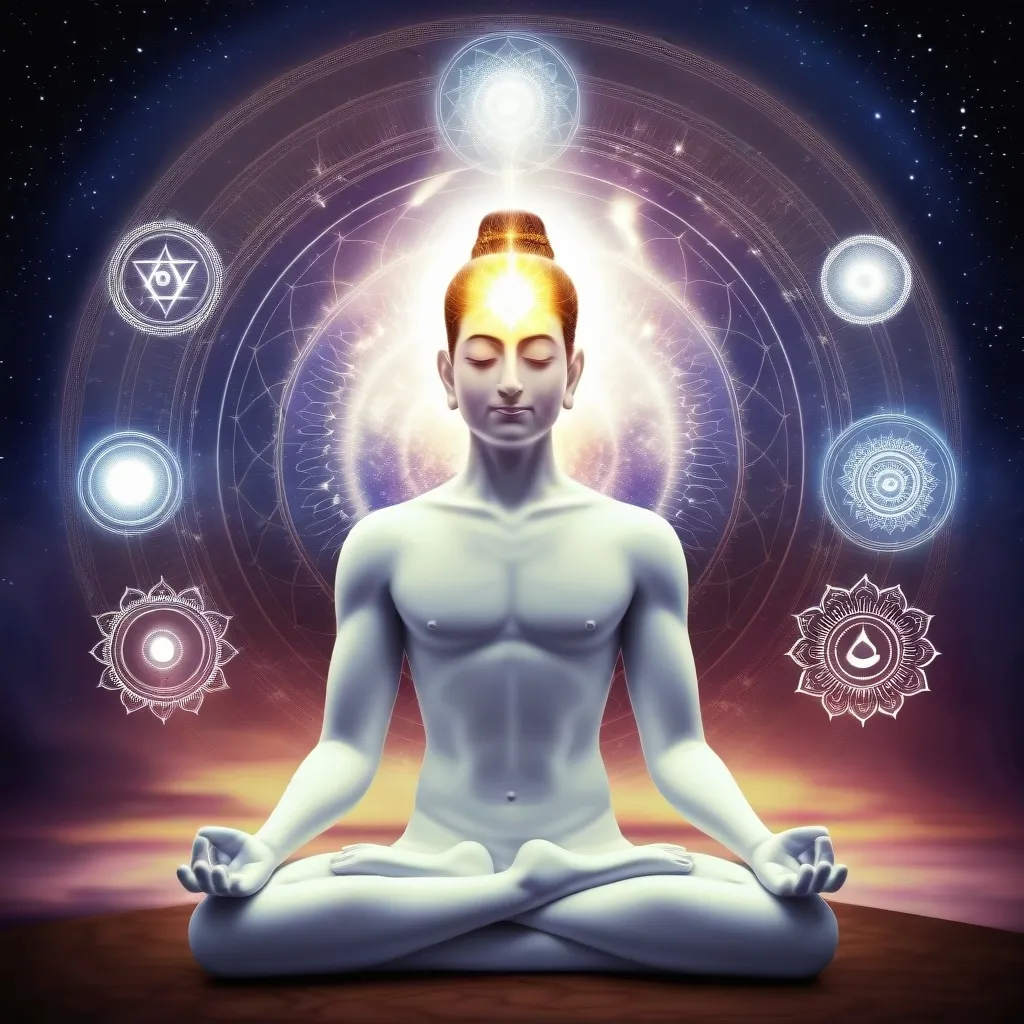
This idea finds expression in the concept of “turiya,” the fourth state of consciousness beyond waking, dreaming, and deep sleep. In this state, one is said to transcend time altogether. It’s a tantalizing hint that our experience of time is not as fixed or absolute as we might think.
“There is no past, no future; everything occurs in this moment,” said Ramana Maharshi, echoing this timeless wisdom.
The Hindu view of time encompasses mind-boggling scales. The lifespan of the universe is measured in the days and nights of Brahma, the creator god. Each day of Brahma lasts 4.32 billion years in human terms. And this is just one day in a life that lasts 100 years! Such vast timescales encourage us to zoom out and see our lives in a broader context.
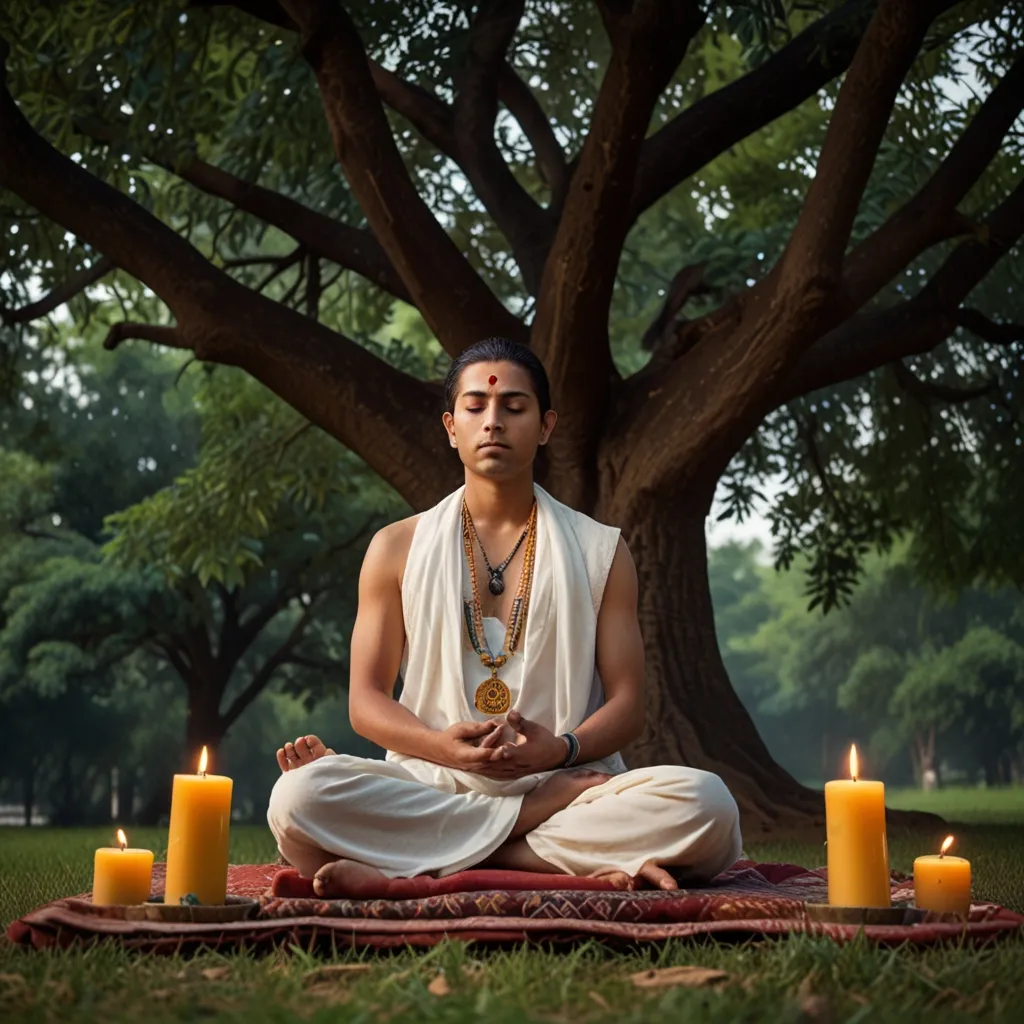
But what about the here and now? Hindu philosophy doesn’t neglect the present moment. In fact, it accords it special significance. The present is seen as a doorway to the eternal. Through meditation and spiritual practices, one can experience a state of timelessness, where the burdens of past and future fall away.
This focus on the present moment resonates with modern mindfulness practices. It reminds us that while planning for the future and learning from the past are important, true living happens now.
How might this ancient wisdom about time apply to our modern lives? For one, it can foster patience and perspective. When we view our lives against the backdrop of cosmic time, our day-to-day worries often shrink in importance.
The cyclical view of time can also be a source of hope. It suggests that no condition, good or bad, lasts forever. This can be comforting in times of hardship and a call to appreciate the good times while they last.
Moreover, the Hindu concept of time encourages us to look beyond the surface of things. It invites us to contemplate the deeper rhythms and patterns that shape our world. In an age of instant gratification and short attention spans, this long-term view is more valuable than ever.
“Look to this day, for it is life, the very life of life,” says an ancient Sanskrit verse. It’s a beautiful reminder to cherish each moment while holding an awareness of the vast cycles we’re part of.
The Hindu understanding of time also has implications for how we think about death and rebirth. If time is cyclical, then death is not an end but a transition. This doesn’t necessarily make loss easier to bear, but it can provide a different framework for understanding life’s journey.
What if we could step outside of time altogether? Hindu philosophy suggests this is possible through spiritual realization. The great non-dualist philosopher Adi Shankara taught that ultimate reality is beyond time. From this perspective, our experience of time is part of the grand illusion (maya) that veils the true nature of existence.
This brings us to a profound paradox: time is both real and unreal. It governs our daily lives and shapes the cosmos, yet at the deepest level of reality, it dissolves into timelessness. How do we reconcile these seemingly contradictory ideas?
Perhaps the answer lies in embracing both perspectives. We can engage fully with the world of time while maintaining an awareness of the timeless. This balance of worldly engagement and spiritual detachment is a recurring theme in Hindu thought.
“Time is but the stream I go a-fishing in,” wrote Henry David Thoreau, capturing something of this dual nature of time.
As we reflect on these ancient ideas, we might ask ourselves: How does our understanding of time shape our lives? What would change if we viewed time not as a linear progression but as a great cycle? How might we live differently if we truly internalized the vast scales of cosmic time?
The Hindu concept of time challenges us to expand our perspective. It asks us to consider our place in the grand sweep of existence. At the same time, it reminds us of the preciousness of each moment. It’s a philosophy that can deepen our appreciation of life’s rhythms and mysteries.
In the end, time remains one of the great puzzles of existence. The Hindu sages didn’t claim to have all the answers, but they offered profound insights that continue to resonate today. Their vision of time invites us to look beyond the ticking of clocks to the deeper currents that shape our world and our consciousness.
As we navigate our fast-paced modern lives, perhaps we can take a moment to pause and reflect on these ancient wisdom. In doing so, we might find new ways of relating to time - not as a tyrant that rules our days, but as a grand mystery to be explored and savored.