Unlock Inner Peace: Embrace the Art of Pratyahara in a Noisy World
Finding Tranquility in Chaos: Embracing Pratyahara as a Daily Practice for Inner Peace and Mindful Living
In the whirlwind of today’s fast-paced life, achieving peace and inner stability might feel like playing a game you can’t win. Yet, buried in the wisdom of ancient yogic traditions is Pratyahara, a powerful practice that nudges us toward tranquility by reigning in our senses. Think of Pratyahara as the art of redirecting our focus inward, rather than escaping from the world entirely. It’s about understanding and controlling our senses, not by extinguishing life’s pleasures but by nurturing detachment from them.
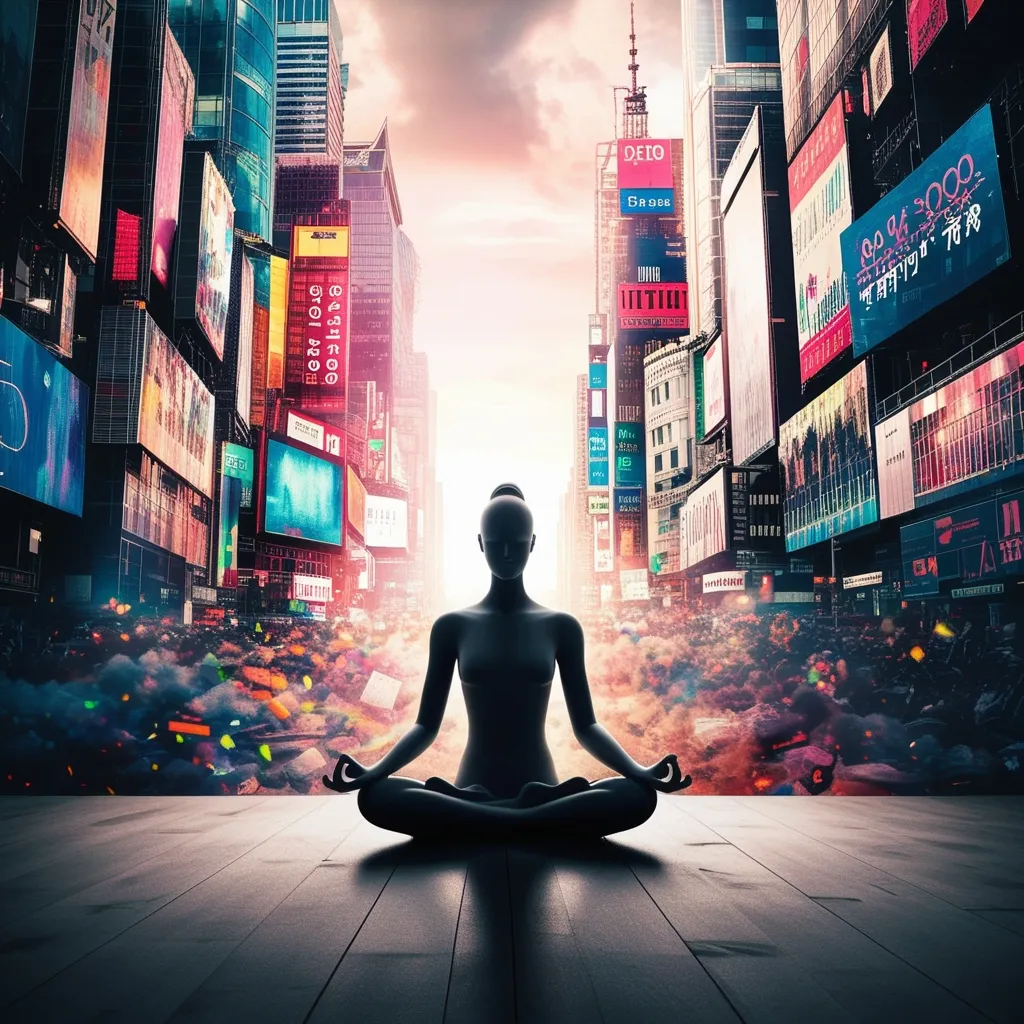
Imagine a city ablaze with lights and buzzing with notifications – our senses are in constant overdrive, leaving us often frazzled. Here is where Pratyahara steps in, guiding us to step back from external distractions and tap into our serene inner world.
In the grand scheme of yoga, Pratyahara is the bridge between the practical and the contemplative. It’s nestled in the middle of the eightfold Ashtanga Yoga path, brewed after the practice of Yama (ethics), Niyama (personal habits), Asana (postures), and Pranayama (breathing practices). Each of these stages primes us for diving deep into the realms of consciousness, which Pratyahara facilitates. It’s a purifying practice that helps us loosen the grip of cravings and attachments, enriching our insight into the fleeting nature of happiness and sorrow.
So, how does one incorporate Pratyahara into daily life? Well, it’s about starting small. Identify a peaceful corner where you can retreat without interruptions. Sit comfortably, maybe on a yoga mat or folded blanket, with your spine aligned as if a string lifts you up from the top of your head, guiding your posture into relaxation. Close your eyes to shut out visual distractions, then take slow, deep breaths. Feels the expansion on the inhale and the gentle release on the exhale, using this rhythm as an anchor to hook your awareness to the present moment.
Pratyahara isn’t restricted to isolated practice sessions. It’s a tool you can seamlessly integrate into the hustle and bustle. Imagine yourself amidst chaos, maybe on crowded public transport or at work. Just take a deep breath and switch your focus inwards, observing what generally triggers stress or irritation in your day. When distractions creep in, gently redirect your attention to your breath or mental state. A few minutes of this daily can start to shift your experience significantly.
Pair Pratyahara with Pranayama, which involves breathing exercises. It acts as a doorway to the internal universe. Consistent practice of Pranayama naturally tunes you into the nuances of your inner state, causing Pratyahara to unfold effortlessly. Yoga Nidra, often called yogic sleep, is another profound way to explore Pratyahara. This guided deep relaxation method helps you disconnect from your senses, leading to a state of expanded self-awareness and deep relaxation.
An essential aspect of Pratyahara is non-attachment. It’s less about shunning pleasures and more about not clinging to them. By merely observing and maintaining control over our senses, rather than letting them dictate our emotional landscape, we carve out a space for our life energy to flow freely, fostering balance and purification.
Overcoming the hurdles of Pratyahara in today’s noisy world isn’t without struggle. We’re living amid constant distractions, making it harder to withdraw. Interestingly, these trials make the practice both challenging and immensely rewarding. Ancient practitioners of yoga faced similar predicaments, highlighting Pratyahara as a perpetual learning curve. Start small – a few minutes of meditation, deep breathing or stillness, and gradually expanding as your comfort grows—therein lies the secret.
In our ever-accelerating world, dominated by external stimuli and emotional roller-coasters, Pratyahara offers a pause button. It empowers us to break free from the cycle, allowing us to live with heightened mindfulness. When tuned outward, our senses mirror the external chaos within. By looking inward, we create the serene space needed for mental purification, paving the way for deeper meditation and spiritual enlightenment.
Pratyahara is not just another yogic practice; it’s a transformative lifestyle choice. By mastering this withdrawal of senses and redirecting our awareness inward, we find a remarkable sense of peace, balance, and stability, even amidst life’s chaos. It provides a toolset to master our mind and body, gifting us with a more mindful and enriched life. Give Pratyahara a go each day, just for a few quiet moments, and witness its ripple effects as it begins to reshape your life from the inside out.