Can Love and Devotion Be the Key to Inner Peace? Dive into Bhakti Yoga!
Dancing with the Divine: The Soul-Enriching Journey of Bhakti Yoga
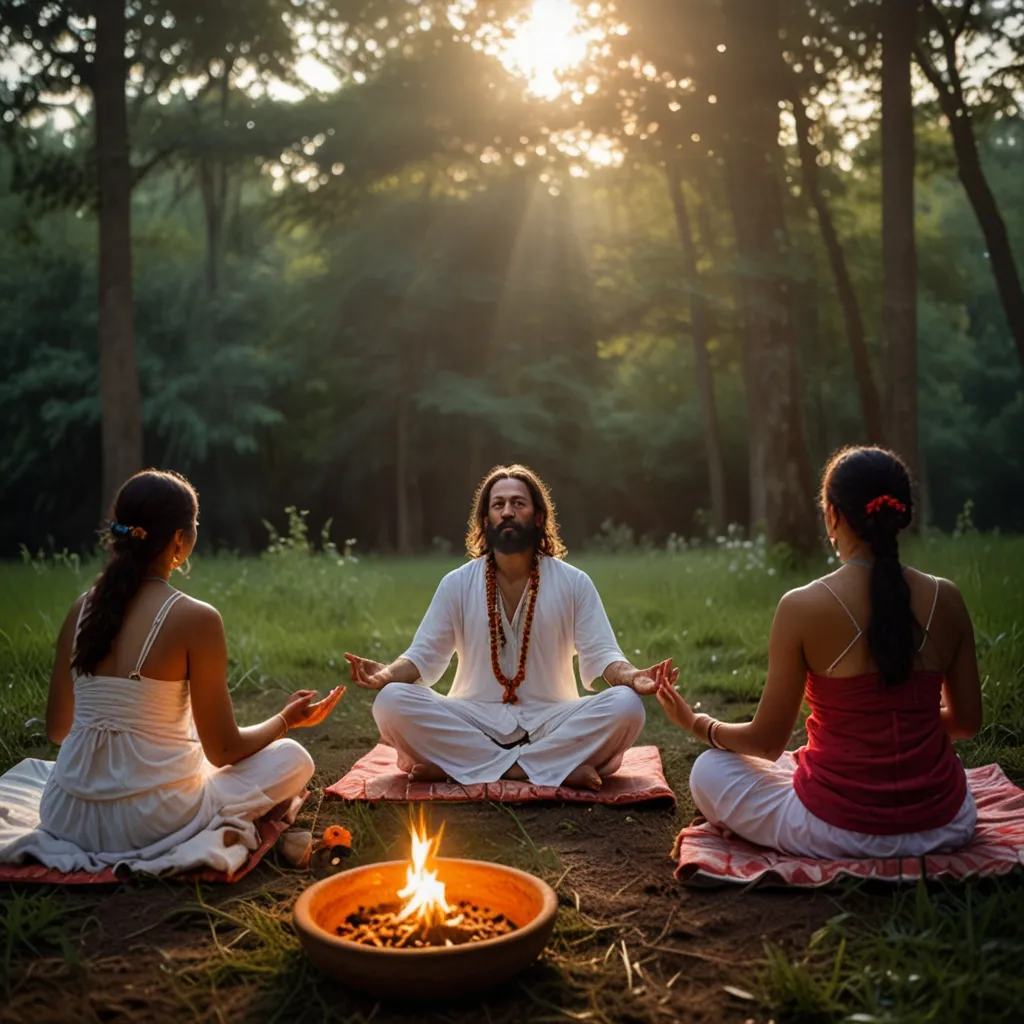
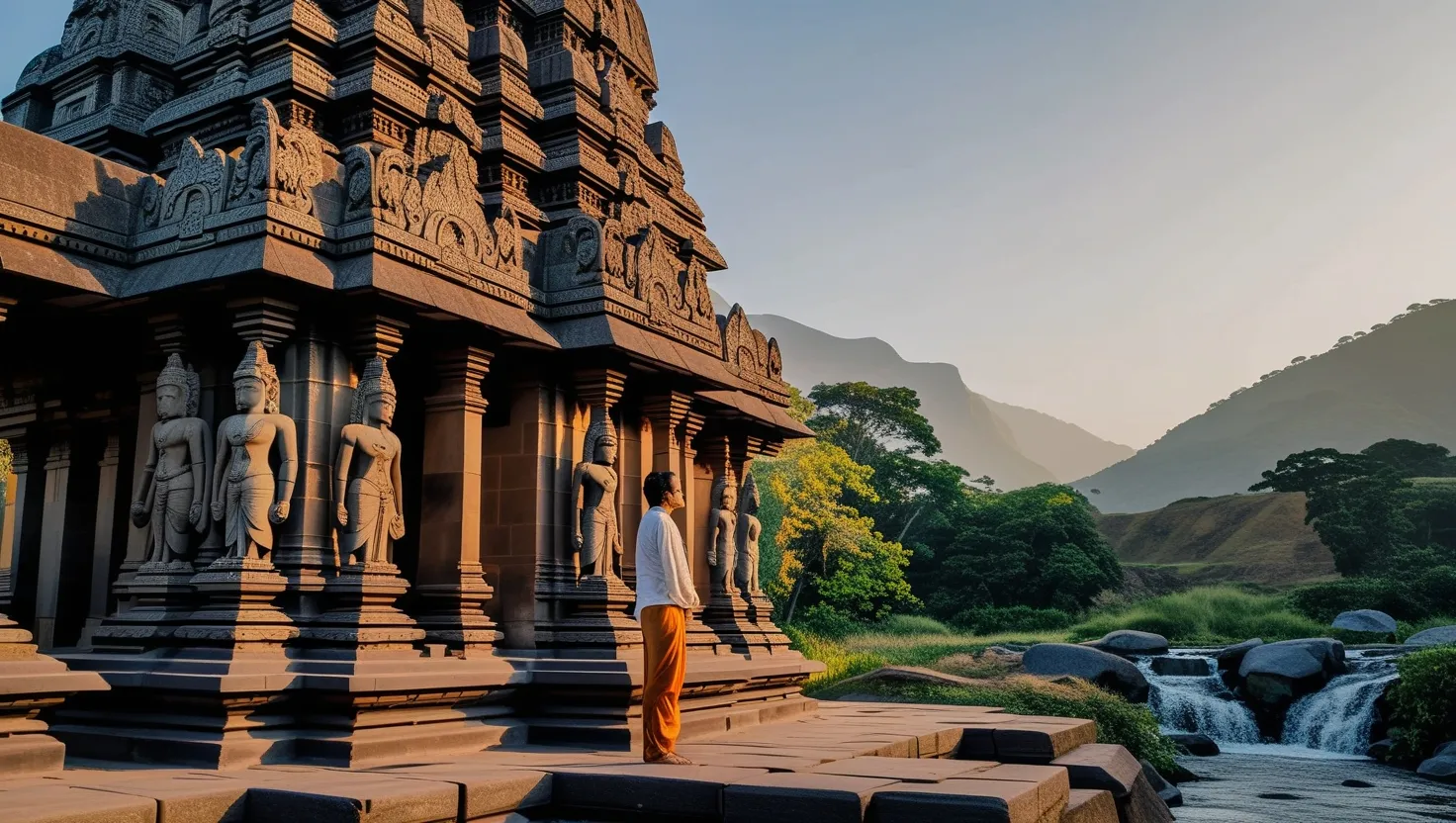
Bhakti Yoga, often called the yoga of love or the path of devotion, is a powerful spiritual practice that has been central to Hinduism for centuries. It’s all about connecting deeply with the Divine through love and devotion, creating a bond that goes beyond the self. The term “bhakti” pretty much means “to pray” or “to share,” reflecting this beautiful practice of sharing love and devotion with something greater.
Bhakti Yoga finds its origins in ancient Hindu scriptures like the Vedas and the Bhagavad Gita. These texts are rich with prayers, mantras, and teachings that guide devotees on their spiritual journey. The Bhagavad Gita, for instance, dives into the deep relationship between the divine and humans, offering wisdom on devotion and spiritual growth.
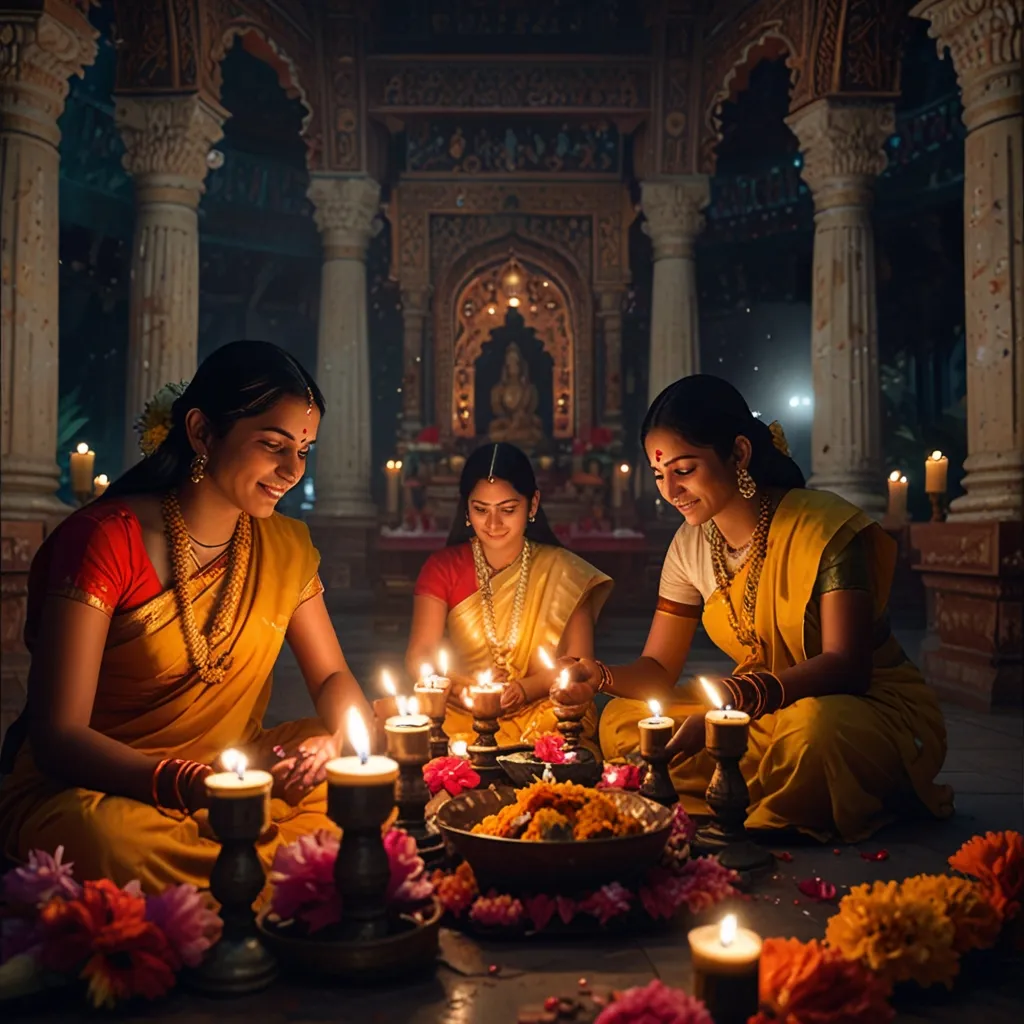
Practices in Bhakti Yoga are pretty diverse. They can include chanting mantras, singing devotional songs (called bhajans), and performing pujas (worship rituals). The rhythmic chanting and singing can have a wonderfully calming effect on our nervous system, soothing the mind and bringing inner peace. These practices aim to foster deep love and devotion, purifying our emotions and aligning us with a higher purpose.
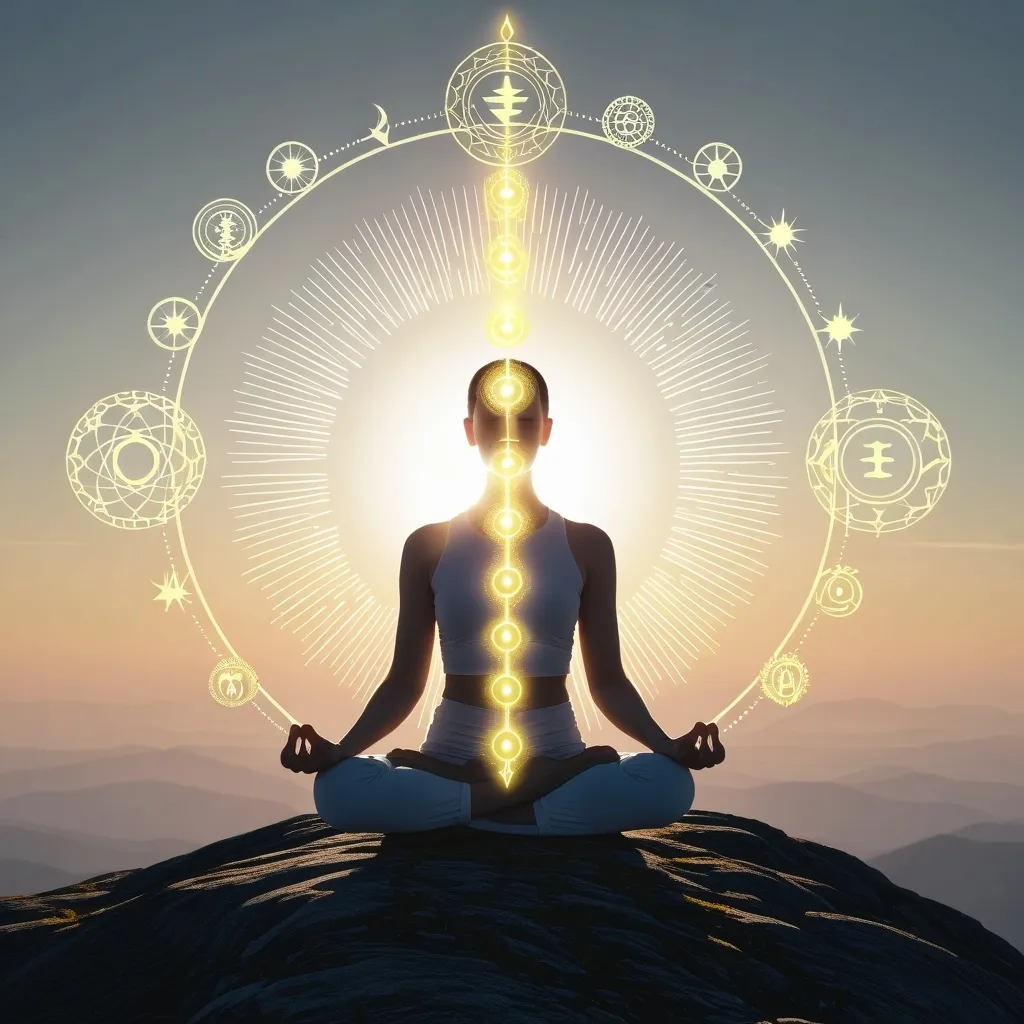
When it comes to emotional well-being, Bhakti Yoga works wonders. Connecting with something greater helps manage stress and anxiety. Research shows that mantra meditation, a big part of Bhakti Yoga, can lower stress levels and improve focus. Reciting mantras lets us shift our attention from worries to the present moment, creating a state of peace.
Bhakti Yoga also brings significant mental health benefits. Many practitioners feel happier, more hopeful, and grateful. This might be because the practice encourages selflessness and a sense of purpose, which can be a huge help for those facing mental health challenges. By pouring emotions into devotion, practitioners find a sense of fulfillment and peace that might be tough to achieve otherwise.
One unique perk of Bhakti Yoga is its ability to reduce the ego. Focusing on devotion and surrendering to the Divine helps practitioners move beyond personal desires. This change in perspective promotes selflessness and heightened awareness, leading to a more compassionate life. The practice also strengthens virtues by aligning our actions with a higher purpose, ensuring we carry out tasks with pure intention and utmost devotion.
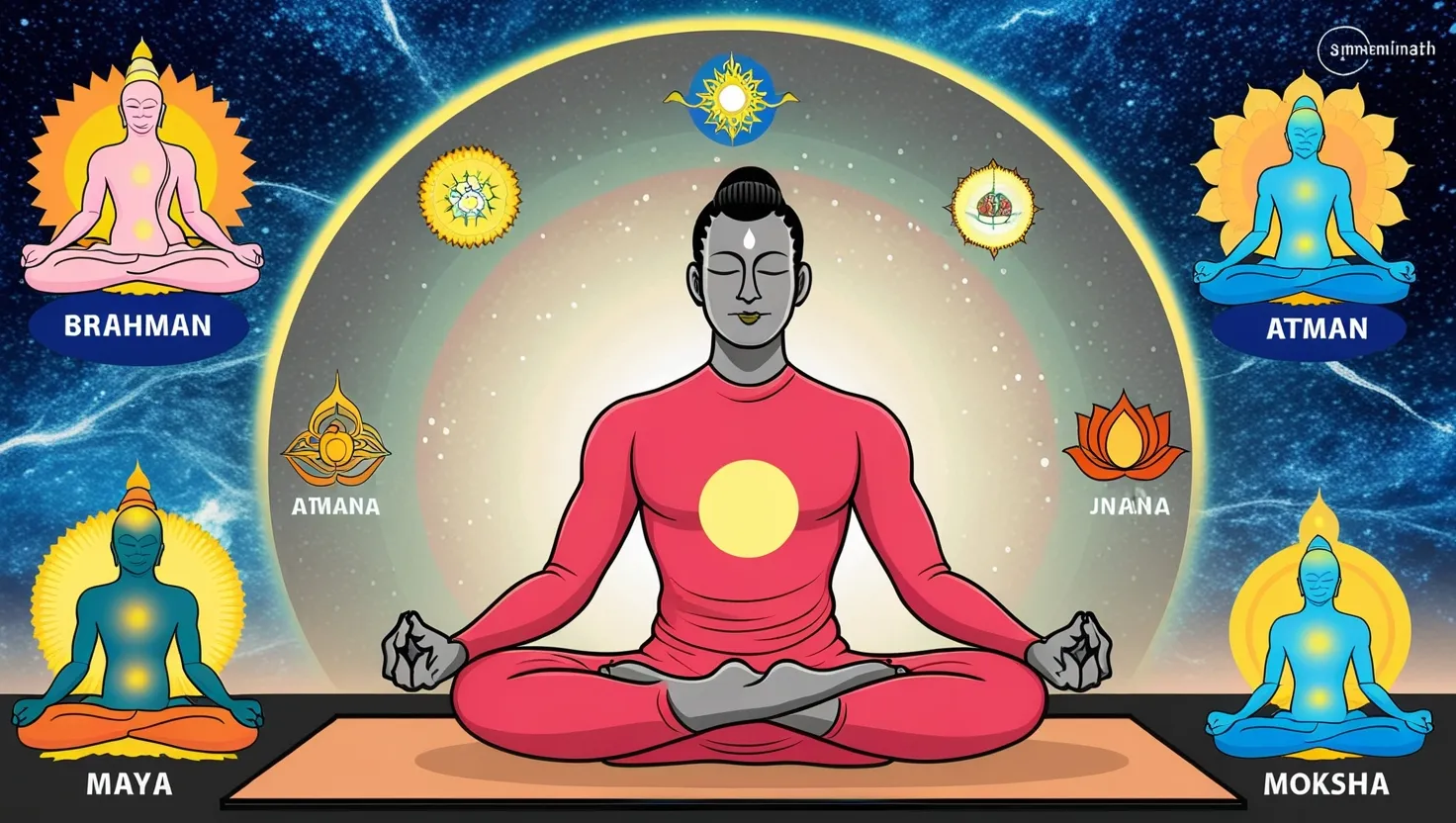
Combining Bhakti Yoga with other paths like Jnana Yoga (the path of knowledge) and Raja Yoga (the path of mental discipline) can boost its benefits even more. This blend promotes gratitude for the wisdom handed down by sages and enhances spiritual focus. Melding devotion with knowledge and mental discipline helps create a deeper sense of spirituality and inner tranquility.
Bhakti Yoga is inclusive and diverse, welcoming anyone regardless of background or beliefs. This path breaks down barriers of caste, class, and gender, fostering shared devotion. The tales and biographies of bhakti saints offer inspiration, showcasing a variety of devotional expressions accessible to all.
In essence, Bhakti Yoga is a deeply enriching practice with numerous benefits for emotional well-being and spiritual growth. By nurturing a sense of love and devotion, it helps individuals connect with something greater, leading to a more peaceful and fulfilling life. Whether through chanting, singing, or rituals, Bhakti Yoga is a profound way to find inner peace, reduce stress, and strengthen virtues. It’s a lasting testament to the power of devotion and love in our human experience.