Can Ancient Breathwork Really Boost Your Brain and Body?
Harnessing the Power of Breath for Total Mind-Body Transformation
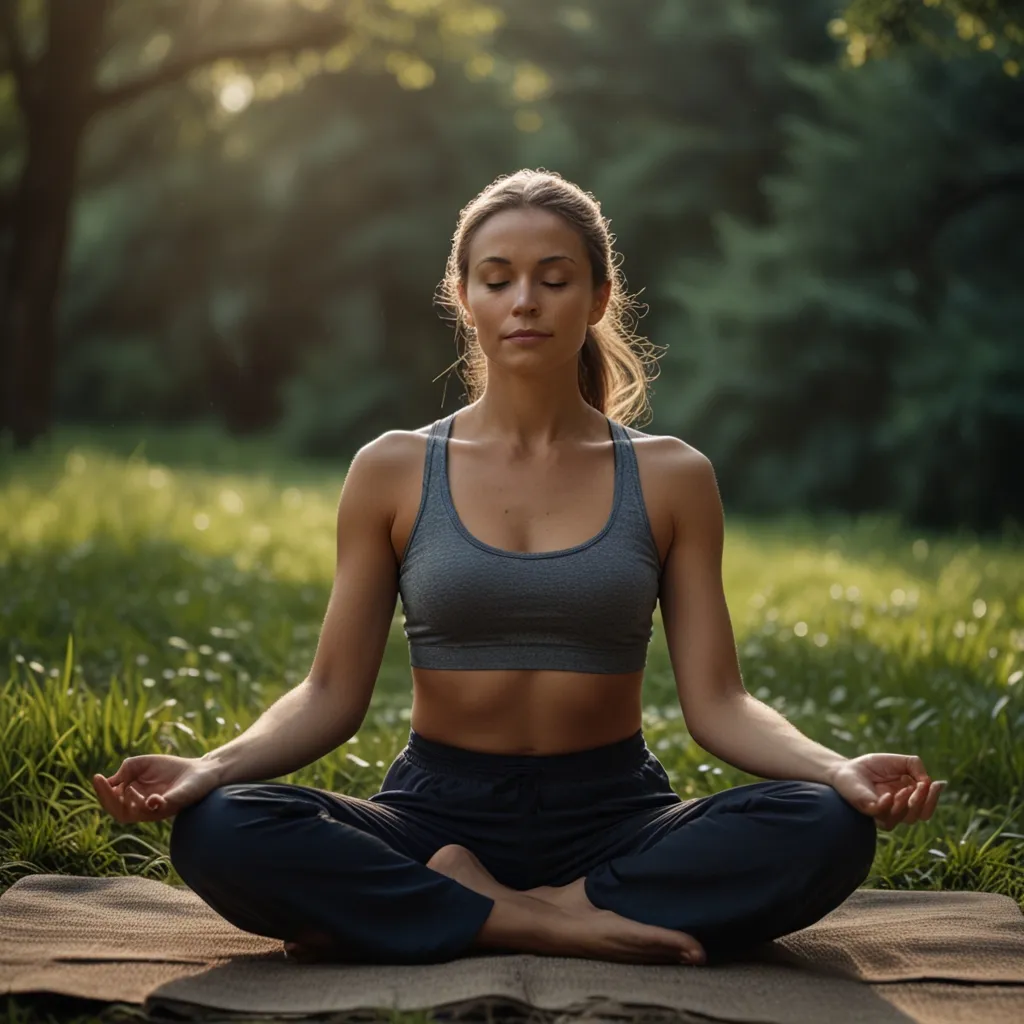
Pranayama, the ancient breath control technique from India, is stealing the spotlight worldwide thanks to its amazing health benefits. This fascinating practice, essential to yogic philosophy, is all about controlling your breath in different styles and lengths. The term “pranayama” breaks down into “prana” (breath or life force) and “ayama” (expansion, length, or rising).
As the fourth limb of yoga, pranayama is often paired with yoga poses. The idea is that by mastering your breath, you can also get a handle on your mind and inner strength. There are three parts to this: Puraka (inhalation), Kumbhaka (retention), and Rechaka (exhalation). Each phase offers distinct benefits, making pranayama a well-rounded practice that boosts both body and mind.
One of the coolest things about pranayama is how it sharpens mental clarity. Focusing on your breath makes you more mindful and present in the moment. This mindfulness not only helps smash anxiety and stress but also significantly improves focus and attention.
Pranayama also does wonders for cognitive function. Research shows both slow and fast breathing techniques can boost cognitive skills, especially anything involving hearing and sensory-motor tasks. This is mostly because pranayama pumps up oxygen levels, energizing brain cells, and amping up concentration.
Beyond the brainy benefits, pranayama is fantastic for lung health. It strengthens respiratory muscles, improves lung function, and boosts your ability to hold your breath. This is a game-changer for folks recovering from illnesses like pneumonia or managing conditions like asthma.
For those battling to quit smoking, pranayama is a lifesaver. The breathing techniques help curb cravings and improve lung health, making the whole quitting process slightly less torturous.
This incredible practice also tackles psychosomatic disorders—conditions where both mind and body are involved. Whether it’s migraines, ulcers, or even psoriasis, pranayama can bring relief by uniting your breath, body, and mind.
Another awesome benefit is how pranayama helps reduce high blood pressure. Techniques like Bee Breath Pranayama and chanting can lower blood pressure, cutting down risks of strokes, peripheral vascular disease, and heart problems.
If you’re thinking about giving pranayama a go, it’s best to ease into it gradually. Consulting a healthcare professional before starting any new exercise routine is always a smart move. With regular practice, pranayama not only clears the mental fog but also eases symptoms of various physical conditions.
All in all, pranayama is a fantastic way to boost mental clarity and overall well-being. Its ability to reduce stress, enhance cognitive function, and promote lung health makes it a must-try for anyone keen on improving their physical and mental health. Whether you’re a newbie or a seasoned yogi, pranayama can seriously transform your daily routine.